Android 17 rolls out to Pixel devices with floating Bubbles and Gemini Intelligence
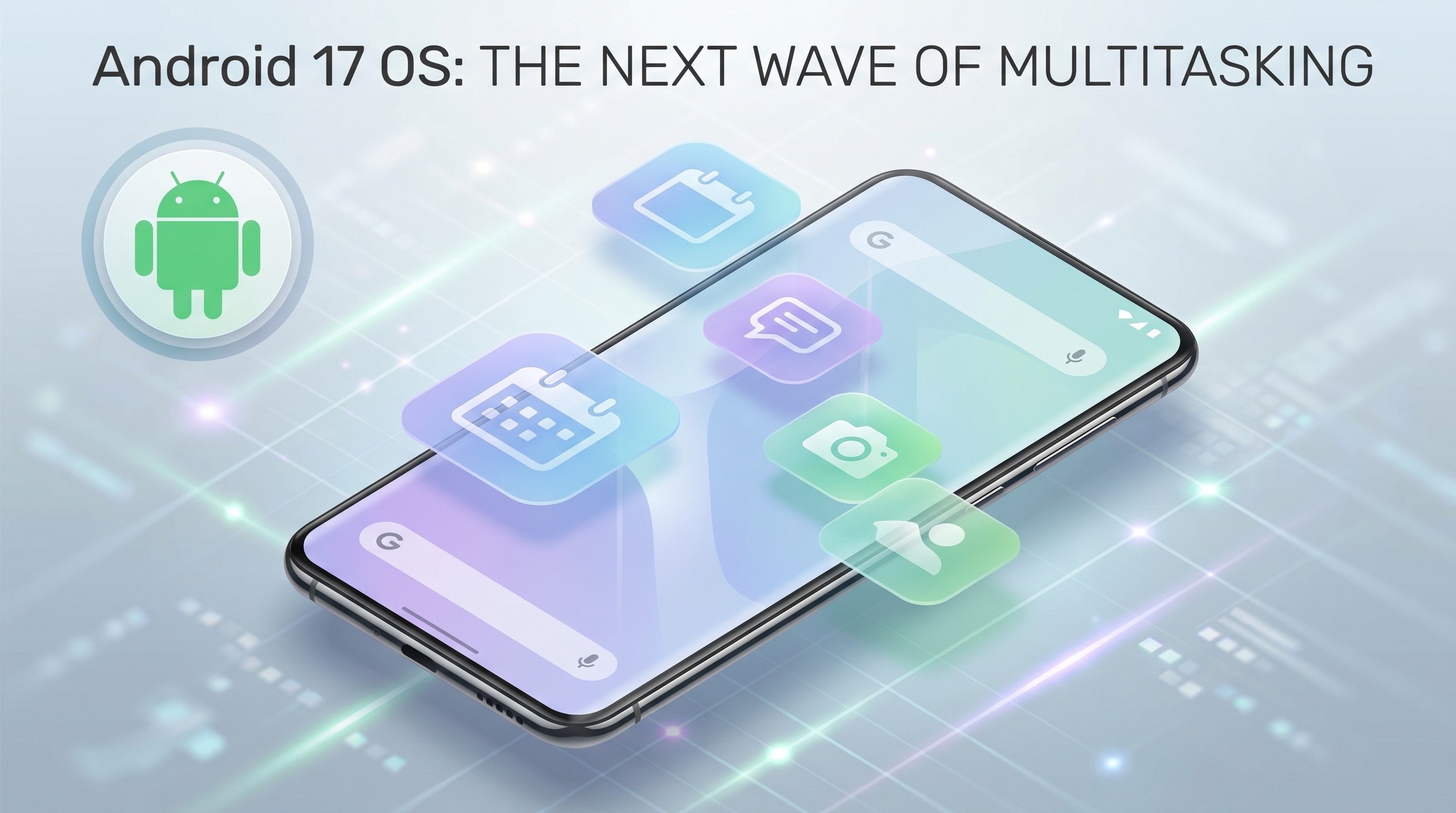
Google released Android 17 on June 16, 2026, beginning its rollout on Pixel 6 and newer devices, with other eligible Android phones to follow throughout the year. The update — internally codenamed "Cinnamon Bun" — is the most AI-forward Android release to date, introducing native support for AI agents, a new multitasking system, and a slate of security improvements.
Multitasking gets a floating overhaul
The headline feature is App Bubbles: any app can now be turned into a floating window that hovers over whatever else is on screen. On larger screens like tablets and foldables, a dedicated "Bubble Bar" lets users organize and switch between multiple floating apps at once. It's a significant departure from Android's traditional split-screen multitasking and more closely resembles the windowing systems found on desktop operating systems.
Foldables get an additional gaming-specific upgrade: a 50/50 split screen mode that puts gameplay on one half and dynamic gamepad-style controls on the other, plus native remapping support for physical controllers.
Android becomes an AI agent platform
Android 17 expands AppFunctions — the system that lets apps expose their features to other apps — to support Android MCP (Model Context Protocol). This allows AI assistants like Google Gemini to directly trigger in-app actions on behalf of users, turning Android into a platform for AI agents rather than just a host OS for individual applications.
Select advanced devices will receive Gemini Intelligence — a deeper AI integration layer — later this summer, according to the Google Blog announcement.
Security and privacy upgrades
The update tightens privacy controls significantly. Users can now grant temporary, one-time access to precise location data, and share only specific contacts with an app rather than the entire contacts list. The Find Hub feature has been upgraded to allow biometric locking of a lost device — a more secure remote lockout than a PIN alone. Non-accessibility apps also lose access to Android's accessibility service APIs, closing a longstanding vector for spyware and stalkerware.
Performance and creator tools
Android 17 introduces new app memory limits designed to improve battery life and device responsiveness, along with a new Screen Reactions feature that lets users record their front camera and screen simultaneously — a tool clearly aimed at reaction-video creators and live streamers.
The stable rollout began June 16 on Pixel. Other Android manufacturers are expected to ship their versions of the update throughout the rest of 2026.
Originally reported by Google Blog. Read the original article for additional details.
View original source