Amazon's Zoox wins first US federal approval to charge passengers in a steering-wheel-free robotaxi
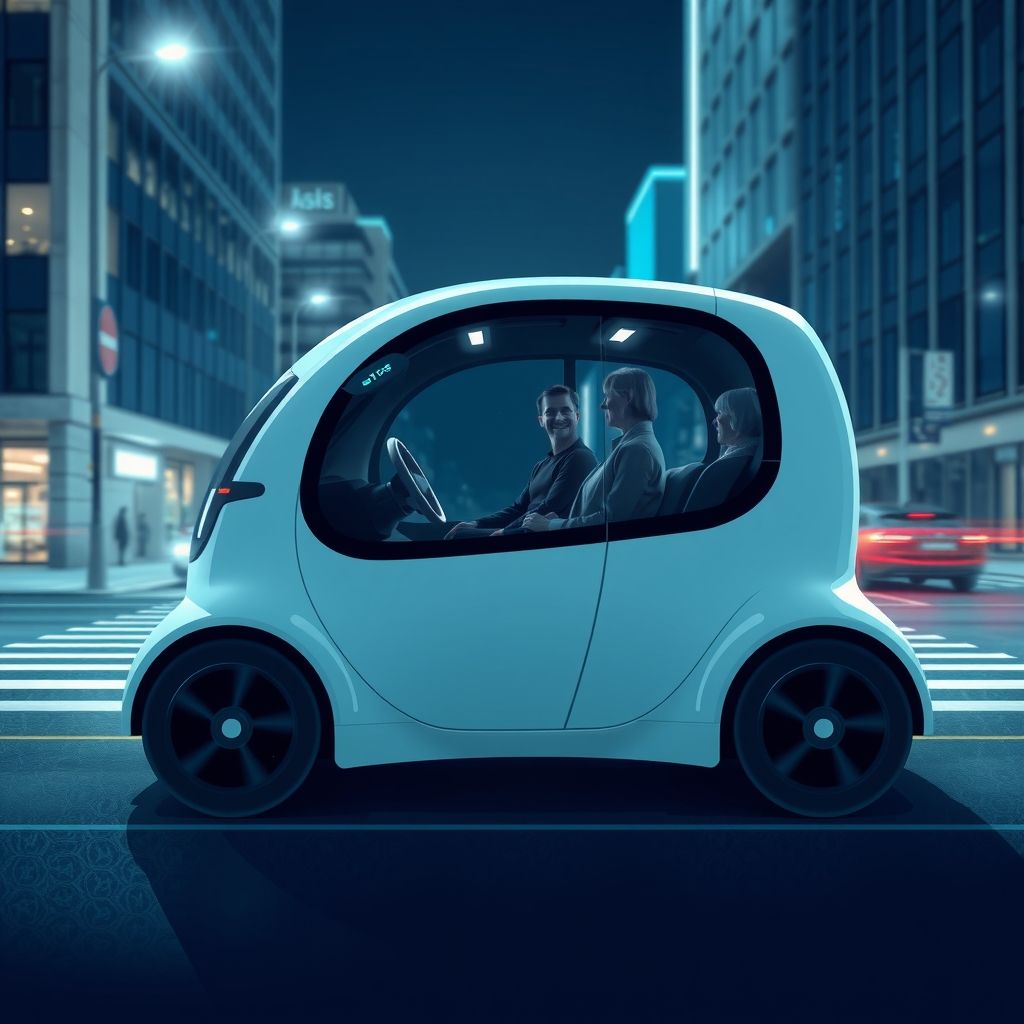
Amazon's Zoox received the first-ever commercial exemption from the National Highway Traffic Safety Administration on July 30, 2026, clearing it to charge passengers for rides in a vehicle designed from the ground up with no steering wheel and no pedals. The approval is a first for the autonomous vehicle industry and a signal that U.S. regulators are ready to treat fully driverless robotaxis as a commercial product rather than an experiment.
What the exemption covers
NHTSA's exemption covers eight federal motor vehicle safety standards that Zoox's custom vehicle cannot meet because they were written for human-controlled cars. Standards around windshield defrosting, braking systems, and other driver-centric requirements don't map to a four-passenger electric pod that has no driver's seat. Rather than redesigning its vehicle to fit rules built around a different paradigm, Zoox applied for — and received — a formal exemption to operate commercially outside those standards.
CEO Aicha Evans called it the 'final federal hurdle' the company needed. The exemption limits the initial fleet to 2,500 vehicles per year for two years and includes enhanced oversight requirements as the technology matures.
A vehicle built without a driver in mind
Zoox's robotaxi is a bidirectional electric pod seating four passengers facing each other — a design choice that only works because no human driver ever needs to face forward. The vehicle drives equally well in either direction, eliminating the need to turn around. There is no steering wheel, no brake pedal, and no traditional dashboard.
That design philosophy meant Zoox had no shortcut to commercial operation: it couldn't simply modify an existing production vehicle the way Waymo adapted the Jaguar I-PACE. Every aspect of federal compliance had to be renegotiated from scratch. The exemption process took years, and Zoox is the first company to receive one at the commercial tier.
Where and when rides begin
Zoox will launch paid service in Las Vegas first, with expansion to other markets after completing state-level permitting. California, where Zoox has run extensive testing, still requires separate approval from the Public Utilities Commission and the Department of Motor Vehicles before commercial rides can begin there.
Waymo has operated commercial robotaxi services in San Francisco, Phoenix, Austin, and other cities for several years. But Waymo's vehicles are modified production cars that already meet federal safety standards without exemptions. Zoox's path — building a custom pod from scratch — forced a different regulatory route, and successfully navigating it now opens a clearer pathway for other AV companies pursuing purpose-built vehicle designs.
As reported by TechCrunch and confirmed by NHTSA's official press release.
Originally reported by TechCrunch. Read the original article for additional details.
View original source