AI Tech Stocks Lose $2.3 Trillion as Voters Reject Data Centers and Democrats Win the Midterms
On Thursday, November 5, 2026, tech stocks suffered one of their worst sessions in over a year. The Nasdaq 100 fell roughly 6%, erasing an estimated $2.3 trillion in market value as investors reacted swiftly to Democratic gains in the US midterm elections and a sweeping voter rejection of AI data center expansion projects.
The scale of the selloff reflected a sudden repricing of the AI infrastructure story. For the past two years, Wall Street had operated on the assumption that the AI buildout would proceed at whatever pace the industry required. The midterms shattered that assumption.
Ballot boxes over boardrooms
Voters sent an unusually direct message: 40 of 41 AI data center ballot measures were defeated across 10 states, with only one project clearing local approval—in Harwood, North Dakota. Democrats won high-profile races in Texas, Ohio, and Georgia, all states that had been central to plans for large-scale AI infrastructure development.
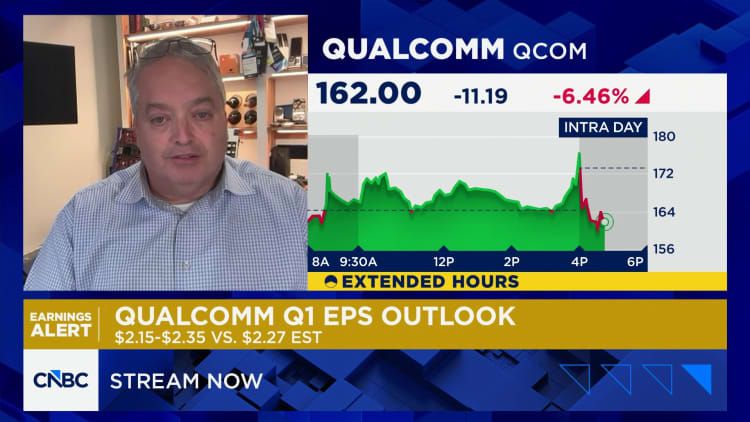
The results put the entire supply chain for AI compute under pressure. Nvidia lost nearly $450 billion in market capitalization in a single session, with the stock dropping more than 9%. Qualcomm fell a similar amount, compounded by a weak earnings forecast for the current quarter. SpaceX and Tesla—both tied to figures closely identified with the previous administration's AI policy—also declined more than 9%.
The damage spread further down the chain. AMD, Micron, and Applied Materials all recorded double-digit losses. The Philadelphia Semiconductor Index fell more than 12%. Even the large cloud hyperscalers—Alphabet, Amazon, Microsoft, and Meta—dropped between 2% and 4%, reflecting the breadth of the selloff beyond pure-play chip names.
AI infrastructure stocks bore the heaviest losses. CoreWeave, Nebius, and IREN—companies whose business models rest on building and operating data centers for AI workloads—fell between 10% and 16% on the day. The VIX, Wall Street's fear gauge, surged roughly 70% in its largest single-day jump in nearly two years.
What comes next for AI infrastructure
The industry's response suggested companies had already gamed out this scenario. Meta president Dina Powell McCormick acknowledged that building data centers "is going to be harder" after the results. OpenAI announced the same day that it would eliminate non-disclosure agreements in data center deals, commit to covering full power costs, and work to reduce energy use during peak grid periods—concessions aimed at pre-empting the kind of local opposition that just punished AI stocks at the ballot box.
Qualcomm CEO Cristiano Amon, speaking about his company's supply constraints, said: "We don't have a demand issue; it's a supply issue." That framing may now need updating. The question is no longer just whether companies can build fast enough—it's whether they will be permitted to build at all.
The selloff caps a volatile run for tech stocks. The Nasdaq Composite had already retreated more than 10% from its record high set on October 6, 2026, putting it in correction territory before Thursday's drop. As first reported by CNBC, the session marked the steepest one-day decline for the index since at least April 2025.
Originally reported by CNBC. Read the original article for additional details.
View original source