Why Tokenized Treasuries May Matter More Than the Next Meme Coin
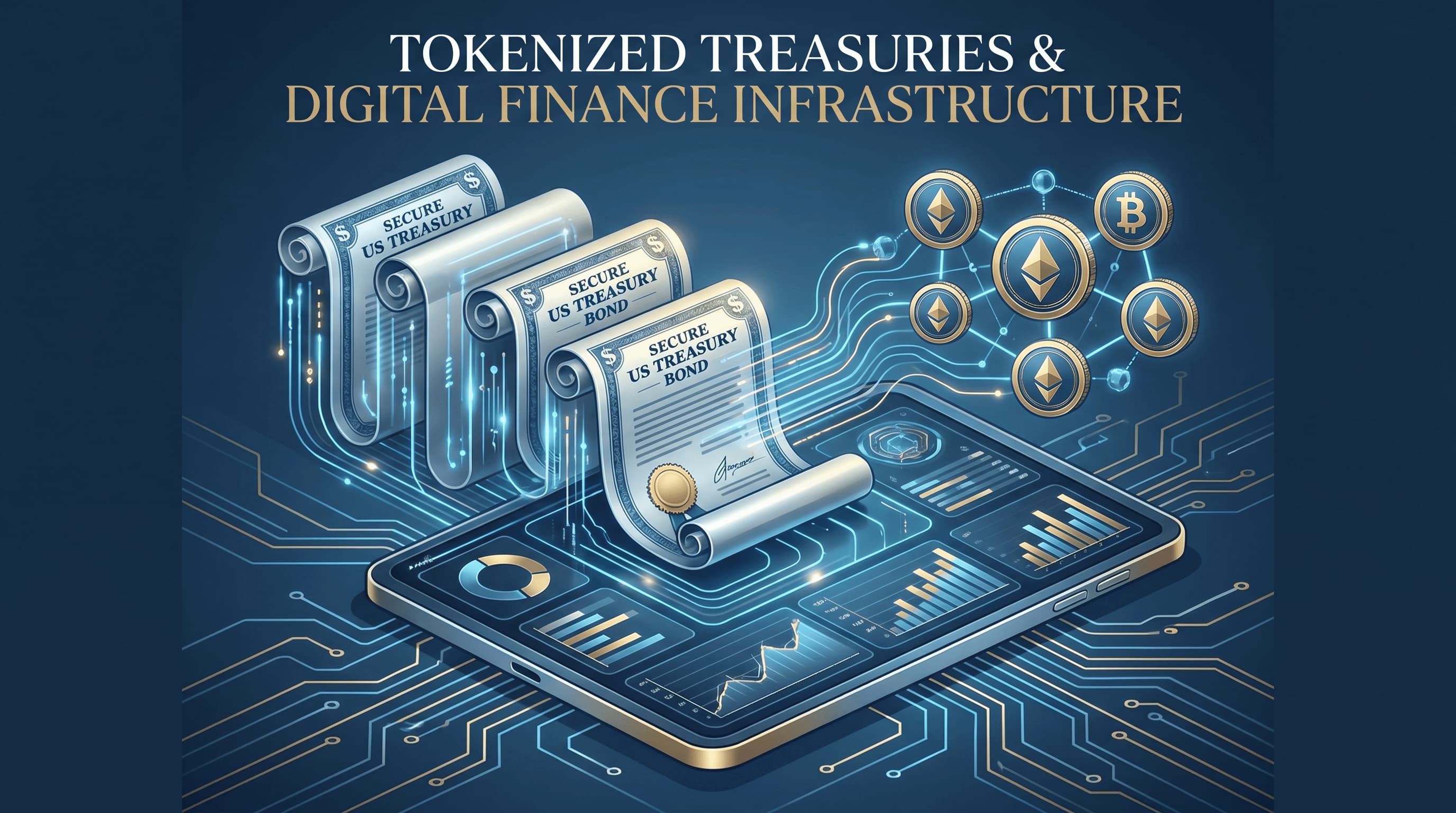
For many outside — and even inside — the crypto ecosystem, the daily narrative often revolves around the dizzying highs and lows of speculative digital assets. From the latest meme coin making headlines to the rapid rise and fall of various altcoins, the focus frequently lands on quick gains and market volatility. However, beneath this often-turbulent surface, a far more significant and enduring transformation is taking shape. It’s a shift that has less to do with speculative trading and more to do with fundamental financial infrastructure: the quiet but powerful rise of tokenized cash-like assets, particularly tokenized U.S. Treasuries.
This isn't about predicting the next viral token; it's about recognizing a foundational evolution in how value is stored, transferred, and managed within the digital economy. As a recent Chainalysis report subtly highlighted, the utility of stablecoins and other on-chain assets is increasingly moving beyond mere speculation. Instead, they are finding their stride in practical applications like payments, cross-border settlement, and sophisticated treasury workflows. This broad framing is crucial because it points to a future where blockchain isn’t just for trading digital collectibles, but for handling the bedrock of global finance.
What's the Real Shift? Beyond Speculation
The prevailing narrative often overlooks the growing demand for stability and yield within the crypto space. While meme coins capture attention with their viral marketing and astronomical (if fleeting) returns, businesses, institutions, and even sophisticated individual investors are looking for something more reliable. They need digital assets that offer the security and liquidity of traditional financial instruments, but with the efficiency and programmability of blockchain technology. This is precisely where tokenized Treasuries enter the picture.
Demystifying Tokenized Treasuries
What Are They, Exactly?
In plain language, tokenized Treasuries are digital tokens that represent ownership of real-world U.S. Treasury bills, notes, or bonds. Think of it this way: instead of holding a traditional security through a bank or brokerage account, you hold a token on a blockchain. This token is a digital certificate of ownership, backed by actual government debt held in a regulated entity’s custody. These products typically focus on short-term Treasuries, which are highly liquid and considered among the safest assets globally.
How Do They Differ from Stablecoins?
It's easy to confuse tokenized Treasuries with stablecoins, but there's a key distinction. Stablecoins like USDC or USDT are designed to maintain a stable peg to a fiat currency, typically the U.S. dollar. They achieve this peg by holding reserves — often a mix of cash, commercial paper, and indeed, U.S. Treasuries. When you hold a stablecoin, you're essentially holding a tokenized representation of a dollar, backed by a diversified reserve. When you hold a tokenized Treasury, you're holding a tokenized representation of the actual Treasury security itself. This means tokenized Treasuries directly pass through the yield generated by the underlying government debt to the token holder, whereas stablecoins generally do not directly pass on yield, instead using it to cover operational costs or generate profit for the issuer.
Why Do Businesses Care About Them?
Businesses, especially those with significant digital asset holdings or cross-border operations, are increasingly looking at tokenized Treasuries for several compelling reasons:
- Yield Generation: In an environment where interest rates are meaningful, idle cash can be put to work. Tokenized Treasuries offer a way to earn yield on digital assets without taking on significant credit risk, something traditional stablecoins don't typically offer directly to the holder.
- Settlement Speed and Efficiency: Traditional financial settlements can take days. Blockchain-based settlements can be near-instant, 24/7, and globally accessible. This speed and efficiency are game-changers for treasury management and inter-company transfers.
- Programmability: Because they exist on a blockchain, these assets can be integrated into smart contracts. This opens up possibilities for automated payments, collateral management, and complex financial instruments that are difficult or impossible with traditional securities.
Where Tokenized Treasuries Could Make a Difference
The potential applications for tokenized Treasuries span various sectors, offering tangible improvements over existing systems:
Corporate Treasury Management
Companies often hold significant cash reserves that sit idle or earn minimal interest. Tokenized Treasuries provide a mechanism for corporate treasurers to invest these digital cash balances into highly liquid, yield-bearing assets directly on-chain. This allows for more dynamic and efficient management of working capital, especially for companies operating with crypto-native balance sheets.
Collateral and Lending
In the decentralized finance (DeFi) space, volatile cryptocurrencies are often used as collateral. Tokenized Treasuries, with their inherent stability and yield, could serve as a far more robust and less volatile form of collateral for on-chain lending and borrowing protocols. This could reduce liquidation risks and make DeFi more attractive to institutional players.
Cross-Border Business Payments and Settlement
International payments are notoriously slow, expensive, and opaque. Tokenized Treasuries could facilitate faster, cheaper, and more transparent cross-border settlements for businesses. Imagine a company paying a supplier in another country by transferring tokenized Treasuries, which the recipient can then hold for yield or easily convert to local currency, all within minutes rather than days.
Crypto-Native Cash Management
For DAOs, crypto funds, and protocols that hold substantial amounts of stablecoins, managing these reserves effectively is crucial. Tokenized Treasuries offer a way to move beyond simply holding stablecoins to actively earning a return on those reserves, enhancing the financial sustainability and robustness of crypto-native organizations.
Understanding the Limitations and Realities
While the promise of tokenized Treasuries is significant, it's crucial to approach them with a clear understanding of their current limitations and inherent complexities. These are not magic money, but sophisticated financial infrastructure.
Legal and Regulatory Structure
The "token" is merely a digital wrapper. The underlying asset is a traditional security, subject to traditional financial laws and regulations. This means KYC (Know Your Customer) and AML (Anti-Money Laundering) compliance is paramount, and the legal framework for ownership and transfer is still evolving in many jurisdictions. It's not a truly permissionless system in the way some cryptocurrencies are.
Redemption and Custody Risk
Most tokenized Treasury products rely on centralized entities to custody the underlying Treasuries and facilitate redemption. This introduces counterparty risk. While the goal is to make redemption as seamless as possible, the process is not always as direct as redeeming a stablecoin. Users must trust the issuer and custodian to manage the assets and honor redemptions.
Smart Contract and Operational Risk
Like any blockchain-based product, tokenized Treasuries are susceptible to smart contract vulnerabilities, bugs, or operational failures. While audited, the risk of technical exploits always exists. Furthermore, the human element in managing the underlying assets and the tokenization process introduces operational risks.
Chain Fragmentation and Interoperability
Tokenized Treasuries are being issued on various blockchains. This fragmentation can lead to liquidity silos and interoperability challenges. A tokenized Treasury on Ethereum might not be easily usable on Solana without bridging solutions, which introduce their own set of risks and complexities.
It's Infrastructure, Not Magic Money
Ultimately, tokenized Treasuries are financial infrastructure designed to make existing financial instruments more efficient and accessible. They don't fundamentally change the nature of the underlying asset or eliminate the need for traditional financial oversight. They are tools for optimizing yield, speeding up settlement, and enhancing programmability, not a way to escape the realities of finance.
In conclusion, while the allure of the next meme coin will undoubtedly continue to captivate a segment of the crypto market, the real long-term impact and maturation of the digital asset space may well hinge on developments like tokenized Treasuries. These assets represent a serious step towards integrating the efficiency of blockchain technology with the stability and reliability of traditional finance, offering a sober and practical path forward for a global economy increasingly seeking digital solutions. The quiet revolution of tokenized cash-like assets is a testament to crypto's evolving utility, moving from speculative frontier to foundational financial tool.