Why Smart Glasses Finally Feel Like a Real Gadget Category
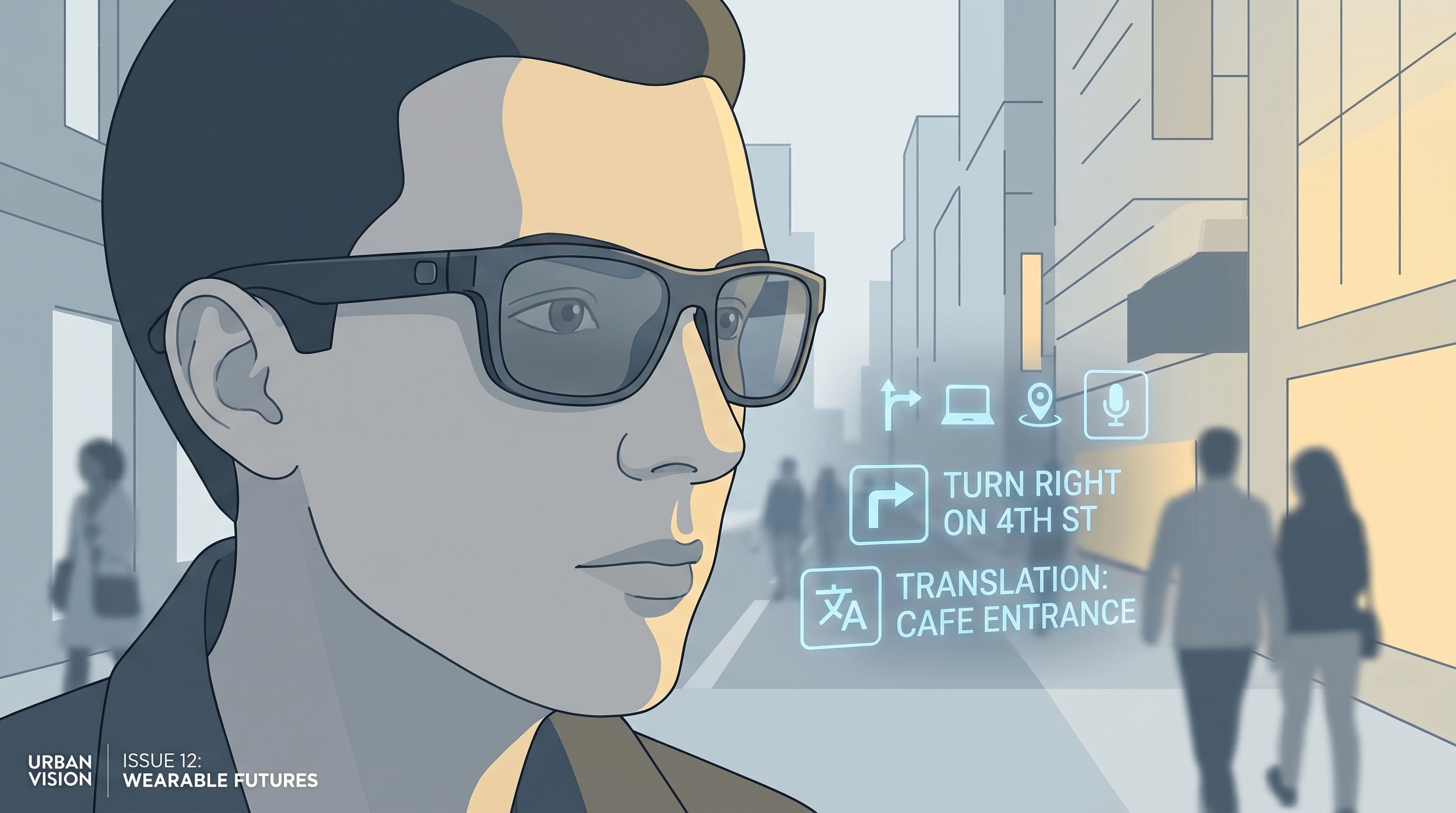
For years, the idea of smart glasses has been a tantalizing whisper in the tech world, often followed by a collective sigh of skepticism. We’ve seen ambitious prototypes, high-profile failures, and a general sense that while the technology was cool, it didn’t quite fit into our daily lives. But something fundamental has shifted. What was once a niche, often awkward, endeavor is now coalescing into a genuinely promising gadget category, driven by a more focused product thesis and significant platform backing.
The Ghost of Gadgets Past: Why Early Smart Glasses Stumbled
It’s hard to talk about smart glasses without acknowledging the elephant in the room: the early attempts that struggled to find their footing. Google Glass, perhaps the most famous example, was a technological marvel for its time but faced an uphill battle. Its design, while innovative, was often seen as awkward and drew unwanted attention, leading to the infamous ‘Glasshole’ moniker. Battery life was a constant concern, and its purpose felt ill-defined for the average consumer. Was it a phone replacement? A camera? A notification device?
Beyond Google Glass, other ventures like Snapchat Spectacles offered a fun, social twist but ultimately remained niche. The common threads among these early efforts were clear: clunky designs, weak battery life that couldn’t sustain all-day use, an unclear value proposition that didn’t justify the price or social discomfort, and a tendency to be overly ambitious, attempting to replace a smartphone rather than complement it. Privacy concerns, particularly with integrated cameras, also cast a long shadow, making widespread adoption challenging.
A New Vision: The Narrower, Smarter Approach
The current wave of smart glasses, however, is learning from these past missteps. Instead of trying to be everything to everyone, they are embracing a more focused, complementary role. The product thesis has become significantly narrower and, crucially, better defined. We’re seeing devices that prioritize a few key functionalities, often centered around enhanced audio, hands-free photography/videography, lightweight AI assistance, and limited, glanceable display overlays.
This shift isn't accidental. It’s a strategic pivot that recognizes the smartphone’s dominance while carving out a unique space for wearables. The goal is no longer to replace your phone but to extend its capabilities in a more seamless, context-aware manner, allowing you to stay connected and informed without constantly pulling a device out of your pocket.
The Everyday AI Companion: Android XR and Gemini
A significant signal of this maturing category comes from major platform players. The emergence of initiatives like Android XR is positioning smart glasses not as futuristic novelties, but as all-day AI companions. Imagine a device that leverages advanced AI, like Google’s Gemini, to provide real-time assistance throughout your day. This isn't about immersive virtual worlds; it's about practical utility.
Think about it: instant directions overlaid subtly in your periphery as you walk, real-time language translation during a conversation with a foreign speaker, or concise summaries of incoming messages and emails, all delivered discreetly without breaking your stride or eye contact. This vision transforms smart glasses into a truly useful extension of your digital life, making information more accessible and interactions more fluid. It’s about enhancing your reality with intelligent, contextual information, rather than overwhelming it.
Navigating the Trade-offs: The Reality of Smart Glasses Today
Even with this refined focus, the development of smart glasses involves navigating a complex landscape of trade-offs. These aren’t compromises in a negative sense, but rather strategic decisions that shape the user experience and define the category’s boundaries.
- Display Versus Battery Life: The desire for vibrant, full-color displays is strong, but such technology is a significant power drain. Many current smart glasses opt for simpler, often monochrome or limited-color displays, or even rely primarily on audio, to ensure all-day battery life. The balance here is crucial: what information is truly essential to be seen, and at what cost to power consumption?
- Camera Usefulness Versus Privacy Concerns: An integrated camera offers incredible utility for capturing moments hands-free. However, the social implications and privacy concerns remain paramount. Manufacturers are increasingly integrating clear indicator lights to signal when a camera is recording, and the focus is shifting towards capturing quick, spontaneous moments rather than constant surveillance.
- Voice Convenience Versus Social Friction: Interacting with a device via voice commands in public can feel awkward. While convenient for the user, it can create social friction. Innovations in discreet microphones, bone conduction audio, and haptic feedback are exploring ways to make these interactions more private and less intrusive.
- Style Versus Capability: Ultimately, these are glasses, and people want them to look good. Integrating complex electronics, batteries, and optics into a stylish, lightweight frame is a monumental engineering challenge. The current trend shows a prioritization of aesthetics, with capabilities carefully integrated to maintain a fashionable form factor.
What’s Different This Time?
The current momentum isn’t just about better tech; it’s about a clearer understanding of what consumers want and what smart glasses can realistically deliver. The shift from trying to replace a phone to becoming a seamless, intelligent companion is key. Platform support, like that seen with Android XR, provides a crucial foundation, encouraging developers and manufacturers to innovate within a defined ecosystem.
Furthermore, advancements in miniaturization, more efficient chipsets, and refined AI models are making these devices more capable and less cumbersome. The industry is no longer just throwing technology at the wall to see what sticks; it’s carefully curating experiences that solve real-world problems in a subtle, integrated way.
Conclusion: Doing a Few Things Well
Smart glasses are finally feeling like a real gadget category, not because they promise to do everything, but precisely because they are learning to do a few things exceptionally well. By focusing on practical applications like AI-powered assistance, enhanced audio, and contextual information delivery, while carefully managing the inherent trade-offs, these devices are carving out a legitimate place in our increasingly connected lives.
They may not replace our smartphones, but they are poised to become a meaningful, complementary tool, offering a new dimension of hands-free interaction and intelligent assistance that makes our daily routines just a little bit smoother. The future of smart glasses isn't about flashy AR spectacles for everyone, but about subtle, smart companions for many.