Why Passkeys Are Finally Winning: The End of the Password Era?
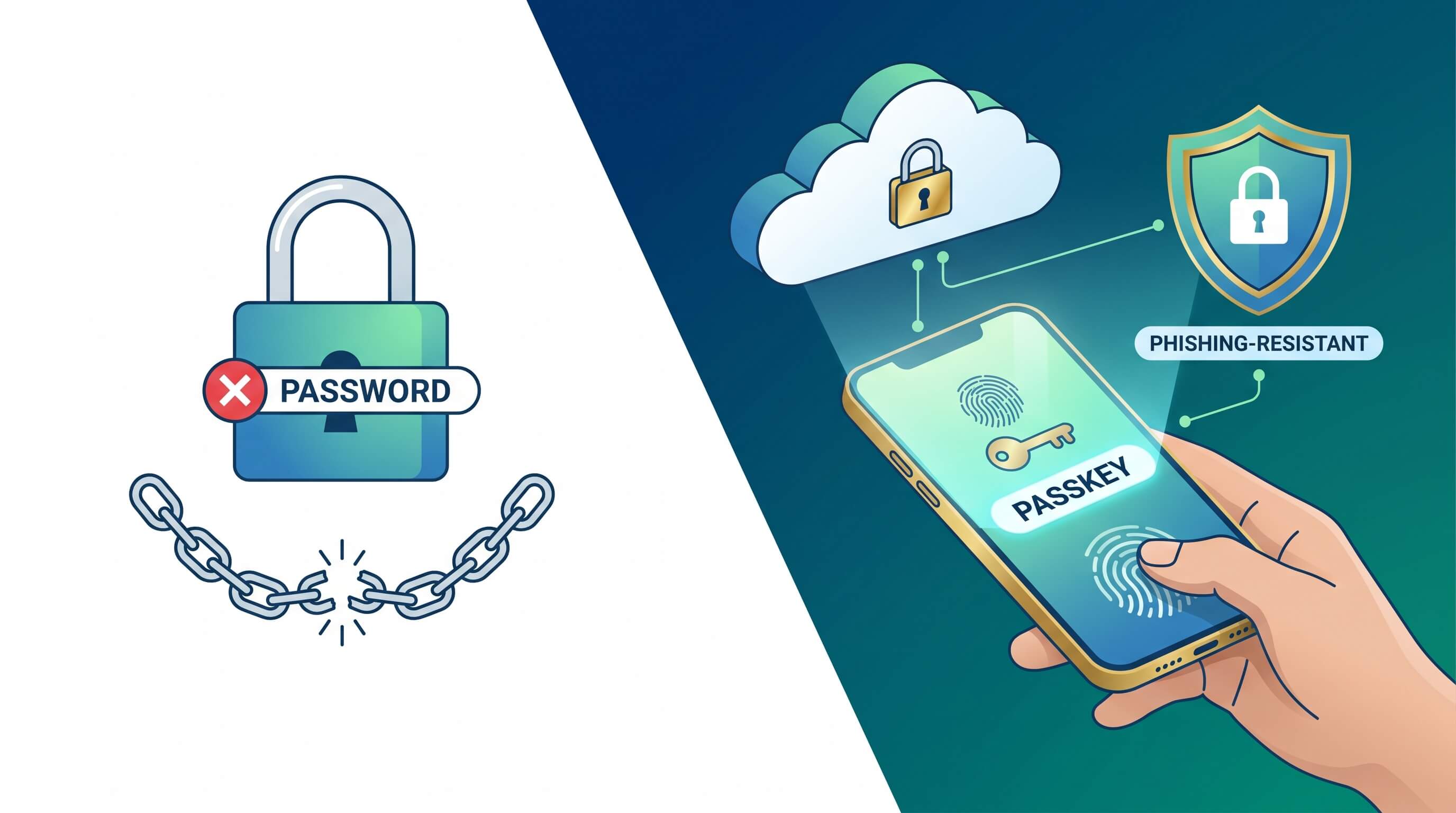
For decades, the humble password has been the gatekeeper to our digital lives, a seemingly simple mechanism designed to protect our most sensitive information. Yet, this ubiquitous guardian has become a source of endless frustration and vulnerability, leading to countless data breaches, forgotten credentials, and a perpetual game of digital whack-a-mole with cybercriminals. But a new champion is rising: the passkey. After years of development and incremental adoption, passkeys are finally gaining significant momentum, promising a future where the password, as we know it, becomes a relic of the past.
The statistics paint a grim picture of the password problem. Millions of accounts are compromised annually due to weak, reused, or stolen passwords. Phishing attacks, which trick users into revealing their credentials, remain one of the most effective methods for cybercriminals to gain unauthorized access. Beyond the security risks, passwords are a usability nightmare. Consumers constantly struggle to remember complex strings of characters, leading to frequent password resets, account lockouts, and even abandoned purchases when the login friction becomes too high. The FIDO Alliance, a cross-industry body dedicated to open authentication standards, has long championed alternatives, and passkeys represent the pinnacle of their efforts to create a more secure and convenient authentication experience.
At their core, passkeys are a revolutionary yet elegantly simple concept. Unlike passwords, which are shared secrets that can be intercepted or guessed, a passkey is a pair of cryptographic keys. One key, the private key, resides securely on your device (e.g., smartphone, laptop, tablet) and never leaves it. The other, the public key, is registered with the online service you wish to access. When you log in, your device uses its private key to prove its identity to the service, and you authorize this process with a simple, familiar biometric scan (like a fingerprint or face ID) or a PIN. This design makes passkeys inherently phishing-resistant because there's no secret to steal or type into a fake website; the authentication happens directly between your device and the legitimate service.
So, why are passkeys finally winning now? Several converging factors are accelerating their adoption:
- Widespread Platform Support: Major technology giants like Apple, Google, and Microsoft have fully embraced passkeys, integrating them deeply into their operating systems and browsers. This isn't a niche technology anymore; it's becoming a default option for billions of users across various devices.
- Easier User Flows: The user experience has dramatically improved. Creating a passkey is often as simple as clicking a button and confirming with a biometric. Logging in is even smoother – no more typing complex strings, just a quick biometric scan or PIN entry. This convenience is a powerful driver for adoption.
- Enterprise Interest: Businesses are keenly aware of the cost of password-related incidents, including data breaches, helpdesk tickets for password resets, and lost productivity. Passkeys offer a path to significantly reduce these burdens, improve their security posture, and enhance the employee and customer experience.
- Phishing Pressure: The relentless tide of sophisticated phishing attacks has made traditional multi-factor authentication (MFA) vulnerable in some scenarios. Passkeys, by design, are phishing-resistant, offering a robust defense against one of the most prevalent cyber threats. This superior security is a critical differentiator.
Despite the undeniable progress, the journey to a truly passwordless world isn't without its speed bumps. Several challenges still need to be addressed:
- Multi-Device Syncing and Portability: While major platforms sync passkeys across their respective ecosystems (e.g., Apple devices via iCloud Keychain), cross-platform syncing can still be a hurdle. What if a user switches from an iPhone to an Android device? Standardized, seamless cross-platform portability and backup solutions are still evolving.
- Recovery Mechanisms: What happens if a user loses all their devices or their primary device is compromised? Robust, user-friendly, and secure account recovery mechanisms for passkeys are crucial to prevent lockouts and maintain accessibility. This is an area where solutions are still maturing.
- Support Burden: While passkeys reduce some helpdesk calls related to forgotten passwords, they introduce new questions and potential support issues as users learn to navigate this new authentication paradigm. IT departments will need to adapt and educate users.
- Shared Devices: Managing passkeys on a shared family computer or public terminal presents unique challenges. How do multiple users on a single device securely manage their individual passkeys without compromising privacy or convenience?
- User Education: Perhaps the biggest hurdle is simply awareness and understanding. Many users don't know what passkeys are, how they work, or why they're superior to passwords. Clear, concise, and accessible education is paramount for widespread adoption.
The journey to a passwordless world is well underway, but it's important to recognize that it's a marathon, not a sprint. The password era is ending, not overnight, but unevenly, with different services and users adopting passkeys at varying paces. The benefits of enhanced security, unparalleled convenience, and reduced operational overhead are too compelling to ignore. While challenges remain, the momentum is undeniable, and the collaborative efforts of the FIDO Alliance, tech giants, and businesses are paving the way for a more secure and user-friendly digital future. The era of the password, as we know it, is indeed ending – not with a bang, but with the quiet, secure click of a passkey.