Why Internal Developer Portals Are Becoming the Interface to Platform Engineering
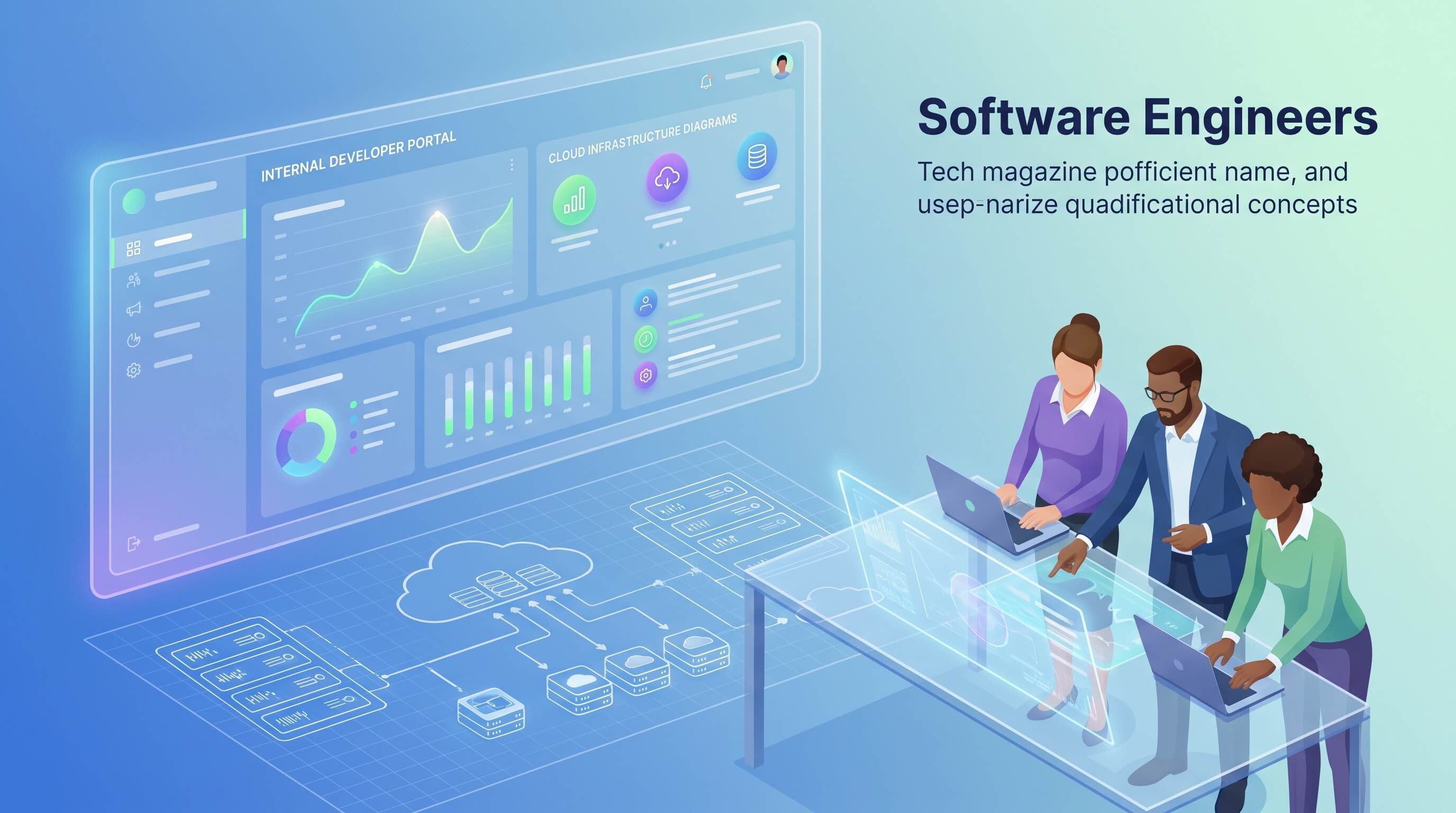
In the rapidly evolving landscape of software development, organizations are increasingly investing in platform engineering to accelerate delivery, improve developer experience, and ensure consistency. But building a robust internal platform is only half the battle. The true measure of its success lies in how effectively developers can discover, understand, and utilize the services it provides. This is where Internal Developer Portals (IDPs) step in, transforming from mere repositories of information into the indispensable interface for platform engineering.
The Rise of Platform Engineering
Platform engineering isn't just a buzzword; it's a strategic shift. It’s about creating and maintaining a curated set of tools, services, and processes that enable product development teams to build, deploy, and operate applications more efficiently. Essentially, platform teams act as internal providers of reusable services, abstracting away underlying infrastructure complexities and offering a streamlined path to production.
Industry analyses, citing forecasts from Gartner, suggest that by 2026, a significant 80 percent of large software engineering organizations will establish platform teams. This widespread adoption underscores a clear recognition: to scale software delivery and maintain a competitive edge, organizations need to treat their internal development ecosystem as a product in itself, with a focus on workflow integration, developer experience, and governance by default.
The Challenge: Bridging the Gap Between Platform and Developer
A sophisticated platform, no matter how well-engineered, remains underutilized if developers struggle to interact with it. Without a clear interface, platform capabilities can become hidden infrastructure, leading to:
- Cognitive Overload: Developers must navigate disparate systems, documentation, and communication channels to find what they need.
- Slowed Development: Manual requests, waiting for approvals, and deciphering complex configurations become bottlenecks.
- Inconsistent Practices: Without guided pathways, developers might bypass platform services, leading to shadow IT or non-compliant deployments.
- Poor Developer Experience (DX): Frustration mounts when the path of least resistance isn't the path of best practice.
The core challenge for platform engineering is not just building the platform, but making it visible, navigable, and self-service. This is precisely the gap that Internal Developer Portals are designed to bridge.
Internal Developer Portals: More Than Just a Service Catalog
Initially, many thought of IDPs as glorified service catalogs – a list of available microservices, libraries, or infrastructure components. While a robust service catalog is a foundational element, modern IDPs, particularly those influenced by projects like Backstage, have evolved significantly. Backstage, for instance, has played a pivotal role in normalizing the internal developer portal category, with its ongoing roadmap focusing on software catalog performance and core usability. This continuous refinement signals that the category is maturing around adoption and workflow quality, moving far beyond simple listing.
From List to Launchpad: The Workflow Product
The critical distinction lies here: a service catalog *describes* what's available, whereas a true internal developer portal, functioning as a workflow product, *enables action*. It’s not enough to know a service exists; developers need to be able to provision it, configure it, monitor it, and interact with its lifecycle without leaving the portal.
Consider the difference:
- Service Catalog: “Here’s our Kafka cluster service.”
- IDP (Workflow Product): “Click here to provision a new Kafka topic for your team, pre-configured with security policies and integrated with your monitoring dashboard.”
This shift transforms the platform from a collection of backend services into a coherent, interactive product with a user-friendly interface. IDPs provide guided workflows for common tasks, such as:
- Scaffolding new microservices from approved templates.
- Deploying applications to various environments.
- Managing access controls and permissions.
- Viewing real-time operational data (logs, metrics, traces).
- Accessing comprehensive documentation and runbooks.
By embedding these capabilities directly into the portal, platform teams can enforce governance by default. Best practices, security policies, and compliance requirements are built into the self-service workflows, ensuring that developers are guided towards the correct and approved methods without even realizing they're being governed.
The Developer Experience Imperative
The success of platform engineering hinges on developer adoption, and adoption is driven by developer experience. When developers can easily find, use, and manage platform services through a single, intuitive interface, their productivity soars. They spend less time on operational overhead and more time on delivering business value.
An IDP reduces context switching, eliminates the need to remember complex CLI commands or arcane internal URLs, and provides a consistent experience across the entire software development lifecycle. It elevates the platform from a set of underlying components to a truly empowering toolkit.
Conclusion: The Interface That Defines Success
Internal Developer Portals are no longer optional accessories; they are becoming the definitive interface to platform engineering. They are the crucial layer that translates the power of a well-architected internal platform into tangible developer outcomes. By making platform capabilities visible, navigable, and self-service through a coherent and intuitive interface, IDPs ensure that platform engineering investments truly pay off, empowering developers, streamlining workflows, and accelerating software delivery across the organization.