Why Handheld Gaming Is Becoming the PC-Console Crossover
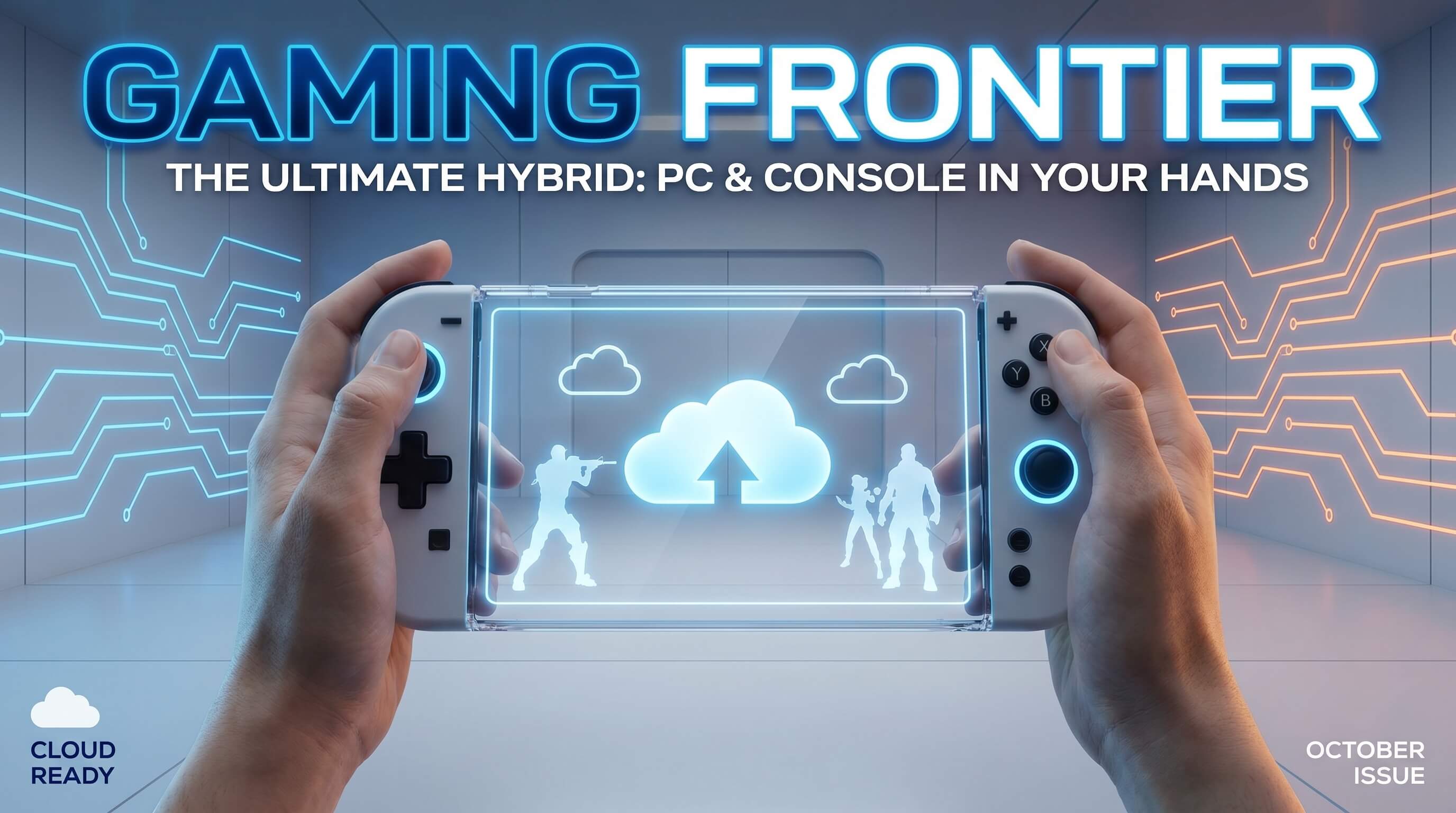
For years, gaming hardware looked like a simple hierarchy. Consoles owned the living room, PCs owned the high end, and mobile owned convenience. Handheld gaming was often treated as a nostalgic side branch, important but limited. In 2026, that view no longer holds up. Portable systems are becoming the most interesting meeting point between PC gaming, console-style simplicity, and cloud access. The result is not just a new gadget trend. It is a new shape for the gaming market.
Why handhelds feel bigger this time
Portable gaming has always had fans, but today’s momentum is built on something different from the classic handheld era. The modern device is not just a closed platform with its own software library. It is often a gateway into a larger ecosystem. A handheld can run a PC storefront, access a subscription library, stream cloud games, sync saves across devices, and dock into a TV. That flexibility changes how players think about ownership and convenience.
The Steam Deck helped reset expectations here by proving that a handheld PC did not need to feel like an enthusiast science project. It still involved compromise, but it made portable access to large PC libraries feel normal. Since then, rivals have pushed harder on performance, screens, controllers, and ecosystem tie-ins. The most important strategic development may be software rather than silicon: SteamOS is no longer just a Valve experiment, and vendors have started treating it as a credible alternative to Windows for portable devices.
The operating system matters more than the chip
This is why the handheld story is really about user experience. Raw performance still matters, but handheld players care about sleep-resume reliability, battery life, interface clarity, update stability, and whether a library feels playable without friction. A portable machine that benchmarks well but behaves like a shrunk-down desktop PC is less compelling than one that feels purpose-built for gaming.
That is why SteamOS has become such an influential force. It suggests there is a middle path between a locked-down console and a messy general-purpose PC. For manufacturers, that opens a strategic opportunity. They can offer access to open storefronts and PC flexibility while still moving closer to the polished experience that console players expect. In effect, handhelds are becoming the laboratory where the old boundaries between PC and console design are being renegotiated.
Cloud gaming strengthens the category, even when it does not replace local play
Cloud gaming also looks different when viewed through the handheld lens. For a while, cloud services were pitched as a replacement for dedicated hardware. That was always too blunt. In practice, cloud gaming works best as a complement. On a handheld, that matters a lot. Local play handles offline access and latency-sensitive titles. Streaming can extend battery life, enable more demanding games, and reduce the need to buy an ultra-expensive device just to play a few heavyweight releases.
As networks improve and services mature, that hybrid model becomes more attractive. A player can install indies locally, stream a blockbuster during travel with decent connectivity, and continue the same save on another screen at home. That is a very different proposition from the old idea that one box should do everything by brute force alone. Handhelds fit the reality of how people actually play: in short sessions, across rooms, across commutes, and across multiple ecosystems.
Why publishers should pay attention
This shift has consequences beyond hardware sales. If handhelds become a mainstream access point, developers and publishers need to optimize for performance envelopes, readable interfaces, suspend-friendly design, and flexible control schemes. Games that scale gracefully across displays and power budgets will have an advantage. So will storefronts and subscription services that make discovery, save sync, and entitlement management painless.
The business model implications are just as important. A player who treats gaming as an ecosystem rather than a single device is more likely to subscribe, buy digitally, and value continuity over raw horsepower. That creates room for platforms to compete on software experience, libraries, and services instead of only specs. It also puts pressure on the old console logic of tying identity tightly to one hardware box in one room.
There are still real limitations
None of this means handhelds replace everything. Battery life remains a stubborn constraint. Thermals matter. Windows handhelds can still feel awkward. Cloud gaming still depends on network quality and licensing complexity. And many players will continue to prefer a powerful desktop or traditional console for long sessions, competitive play, or audiovisual immersion. The point is not that handhelds win outright. It is that they are now shaping expectations for the rest of the industry.
That matters because categories often change from the edges. What looks like a secondary device today can become the place where the most important user experience experiments happen. Cross-save, instant resume, portable access to premium libraries, flexible storefront identity, and hybrid local-cloud play all feel more urgent because handhelds make them useful instead of theoretical.
The center of gravity is moving
Gaming in 2026 is less about choosing one permanent platform and more about staying connected to your library wherever you are. Handheld devices fit that worldview better than almost any other product category. They borrow the openness of PC gaming, the convenience of consoles, and the reach of cloud services, then compress those strengths into something personal and always available.
That is why handhelds are no longer a niche sideshow. They are becoming a strategic center of gravity for how gaming hardware, operating systems, subscriptions, and cloud delivery evolve together. The companies that understand that will design for continuity, efficiency, and flexibility. The ones that do not may keep shipping powerful hardware while missing where player behavior is actually heading.