Why Game Preservation Is Turning Into a Platform Strategy
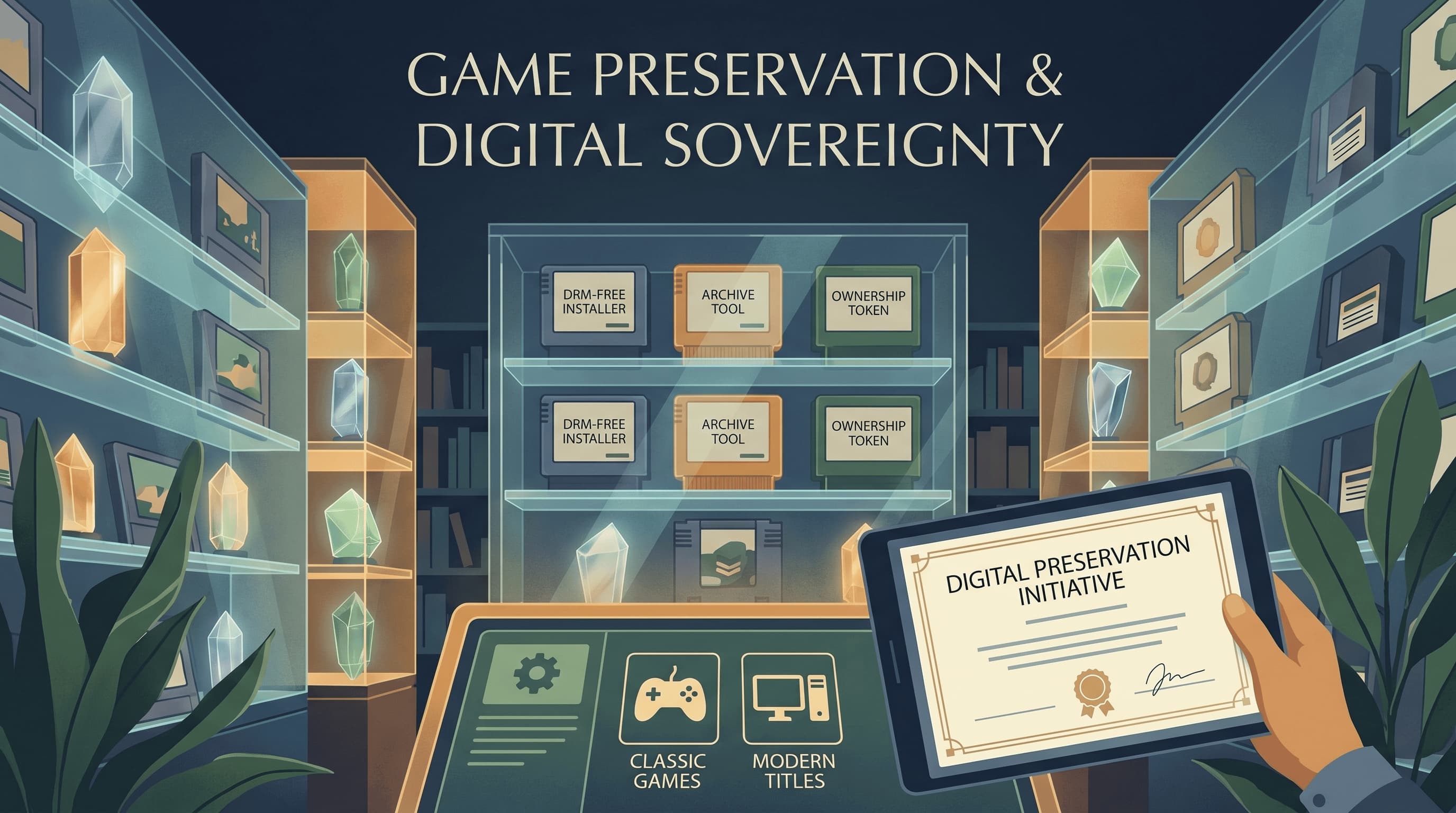
For years, the conversation around video game preservation has largely revolved around cultural heritage – the importance of saving interactive art for future generations. While that argument remains as valid as ever, something fundamental is shifting. Game preservation is no longer just a plea from archivists and nostalgic fans; it's rapidly becoming a sophisticated platform strategy, a cornerstone of trust, digital ownership, and long-term customer relationships in the gaming industry.
From Nostalgia to Operational Commitment
A prime example of this evolution is GOG's recent "Preservation Program." While GOG (Good Old Games) has always championed DRM-free classics, this initiative marks a significant escalation. Kicking off with a commitment to 100 games, GOG isn't just selling old titles; it's dedicating its own resources to ensure these classics remain compatible with modern and future systems. This includes meticulous testing, compatibility work, quality-of-life fixes, and crucially, providing offline installers and dedicated support. This isn't merely nostalgia marketing; it's an operational commitment, framing preservation not as a bonus, but as an integral part of their service.
This move by GOG isn't happening in a vacuum. It aligns perfectly with the growing "Stop Killing Games" movement, which has galvanized players and pushed the industry to re-evaluate what consumers truly "own" when they purchase digital games. When servers shut down, licenses expire, or platforms cease support, the digital purchases often vanish, leaving players with nothing but memories. This movement highlights the critical question of what obligations platforms and publishers have to their customers once a game's active support lifecycle ends.
The Core Thesis: Preservation as a Strategic Asset
The core thesis here is clear: game preservation is evolving from a purely cultural or ethical argument into a tangible platform strategy. For a digital storefront or platform, a robust, accessible, and reliably playable back catalog becomes a significant differentiator. It builds trust with consumers who are increasingly wary of the ephemeral nature of digital goods. It reinforces the idea of true digital ownership, where a purchase means enduring access, not just a temporary license. Ultimately, it fosters long-term customer relationships, as players know their investments are safe and their favorite games won't simply disappear.
Why Game Preservation Is So Hard
Understanding why this is a strategic commitment requires appreciating the immense practical difficulties of game preservation. It's far more complex than simply archiving game files:
Licensing Nightmares
Modern games are a mosaic of intellectual properties. Beyond the core game IP, there are licenses for music, middleware engines (like Unreal or Unity), specific fonts, third-party tools, and even celebrity likenesses. These licenses often have expiration dates or are tied to specific distribution agreements. Re-releasing or maintaining an old game means re-negotiating or re-acquiring all these rights, which can be prohibitively expensive or even impossible if a rights holder no longer exists or demands an exorbitant fee.
Server Dependencies and DRM
Many games, even single-player titles, rely on online servers for authentication, updates, or even core gameplay features. When these servers are decommissioned, the game can become unplayable. Digital Rights Management (DRM) systems often tie games to specific online verification processes, meaning if the DRM server goes offline, the game effectively dies. Even if a game is technically playable offline, features like leaderboards, community content, or cloud saves often disappear, diminishing the experience.
Operating System and Hardware Drift
Software is built for specific environments. As operating systems evolve (Windows, macOS, Linux), and hardware architectures change, older games often lose compatibility. APIs are deprecated, drivers change, and new security features can break old code. Making an old game run on a new system often requires significant re-engineering, patching, or even emulation, which is a resource-intensive task.
Middleware and Deprecated Technologies
Games rely heavily on third-party middleware – libraries, SDKs, and tools that handle everything from physics to networking. These technologies also evolve or become obsolete. If a game relies on a specific version of DirectX or an obscure audio library that's no longer supported, making it work on modern systems can be a monumental task, often requiring reverse-engineering or rewriting core components.
The Economics of Obsolescence
From a purely business perspective, maintaining old titles can be a money pit. The cost of dedicated staff for testing, patching, updating, and providing support for a game that might only sell a few thousand copies a year can quickly outweigh any potential revenue. Publishers often prioritize new releases, where the return on investment is clearer and more immediate. This economic reality is a significant barrier to widespread preservation efforts.
The Balanced View: Live Services and the Future of Preservation
It's important to acknowledge that not all games are created equal when it comes to preservation. Single-player, offline-first classics are relatively straightforward compared to the challenges posed by modern live-service games. These titles are inherently designed to be ephemeral, constantly evolving, and deeply reliant on persistent online infrastructure, community interaction, and continuous content updates. Preserving a live-service game isn't just about making it run; it's about capturing a dynamic, ever-changing experience that often involves thousands of player interactions and server-side logic.
This isn't to say that live-service games shouldn't be preserved, but rather to recognize the unique and often insurmountable technical and economic hurdles involved. Business tradeoffs are real; publishers and developers must balance the desire for historical preservation with the practicalities of ongoing development, server costs, and market demands. The conversation around preservation must therefore be nuanced, understanding that different types of games present different challenges and demand different approaches.
A Strategic Imperative for the Digital Age
Ultimately, the shift towards game preservation as a platform strategy signifies a maturing digital gaming market. Platforms that commit to ensuring the longevity of their catalogs are not just doing a service to history; they are making a smart business decision. They are building trust, differentiating themselves in a crowded marketplace, and recognizing that for many players, the ability to revisit beloved classics is as important as discovering the next big hit. In an age where digital ownership feels increasingly precarious, platforms that champion preservation are offering a compelling promise: that your games, and your gaming memories, are truly safe with them.