Why Game Preservation Is Becoming a Trust Feature, Not Just a Cause
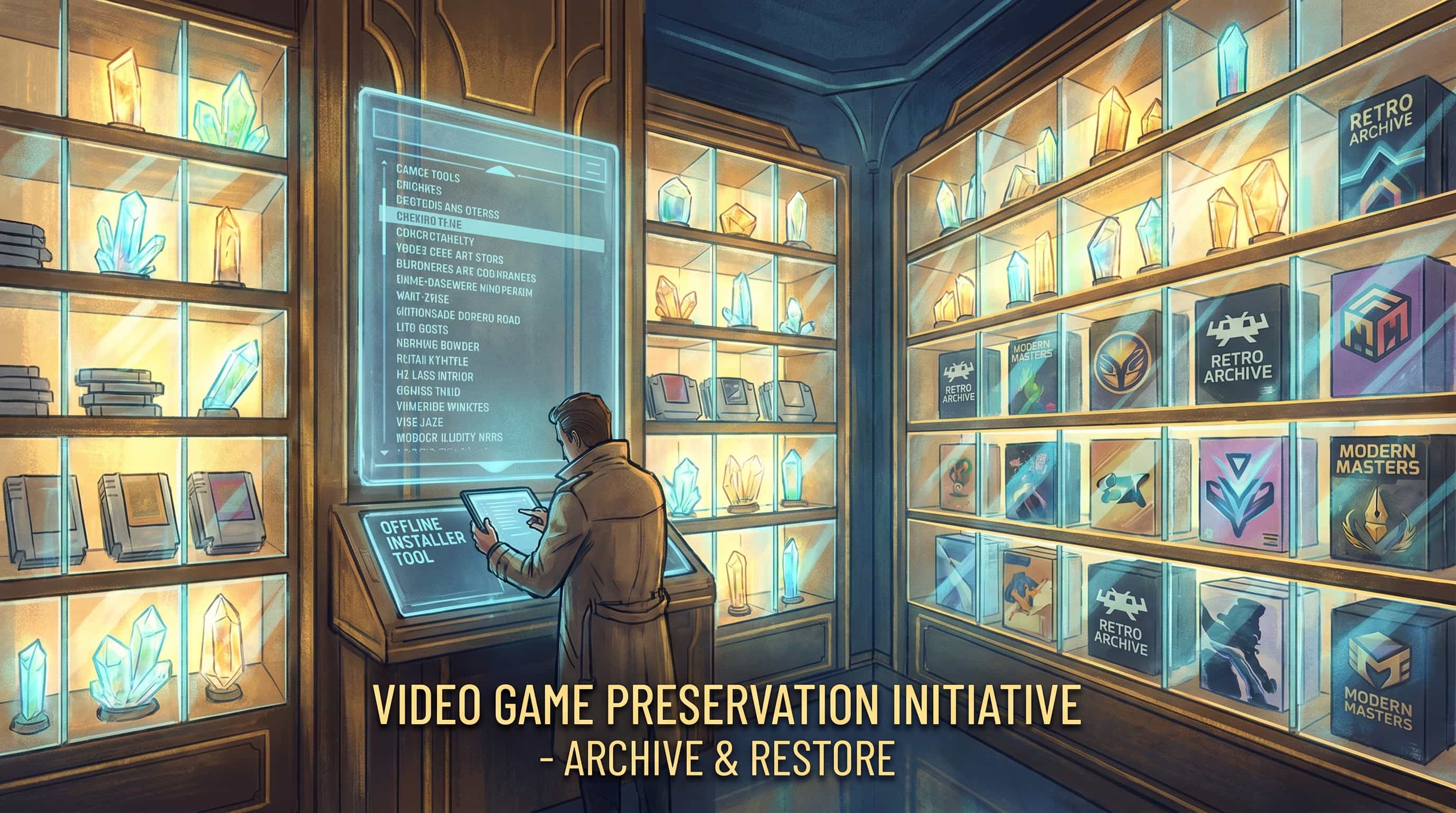
For years, game preservation was often seen as a noble, if niche, pursuit. It was the work of dedicated archivists, historians, and passionate fans striving to save digital artifacts from the relentless march of technological obsolescence and corporate decisions. The goal was clear: to ensure that the cultural heritage embedded in video games, from their code to their design documents, didn't simply vanish into the digital ether.
Today, however, the conversation around game preservation has fundamentally shifted. It's no longer just a cause championed by a few; it's rapidly becoming a critical trust feature for players deciding where to invest their time, money, and loyalty in the digital gaming ecosystem. In an era where physical media is increasingly rare and digital libraries are the norm, the promise of long-term access and true ownership is paramount. When a digital game's availability hinges on server uptime, licensing agreements, and platform decisions, players are rightly asking: what do I truly own?
The Shifting Sands of Digital Ownership
The core of this transformation lies in the nature of digital ownership. Unlike a physical cartridge or disc that, barring physical damage, will always work with its intended console, digital games often come with a complex web of dependencies. These dependencies create numerous points of failure for long-term access, turning preservation from an academic curiosity into a practical concern for every player.
The Practical Hurdles of Preservation
Preserving a video game isn't as simple as backing up a file. The challenges are multifaceted and often intertwined:
- Licensing Agreements: Games are mosaics of intellectual property. They contain licensed music, middleware, engine components, and even celebrity likenesses. These licenses often expire, making it legally difficult or impossible for publishers to continue selling or even supporting a game, even if they wanted to. When a song license expires, a game might be delisted, or patches might remove content.
- Server Shutdowns: This is perhaps the most visible threat. Many games, especially live-service titles, rely on dedicated servers for multiplayer, authentication, or even core single-player functionality. When these servers inevitably shut down, the game can become unplayable, even if you "own" it. This isn't limited to online-only games; many single-player titles require an online check-in to launch.
- Digital Rights Management (DRM): While intended to combat piracy, DRM often ties a game's functionality to external authentication servers. If these servers go offline, or the company behind the DRM ceases to exist, legitimate copies of games can become unplayable. This directly undermines the sense of permanent ownership.
- Middleware and Obsolete Technologies: Games are built using various third-party tools, libraries, and APIs. Over time, these can become obsolete, unmaintained, or incompatible with newer operating systems and hardware. Getting an old game to run on a modern PC often requires significant community effort or official patches that may never come.
- Storefront Delistings: Digital storefronts are curated. Games can be removed for various reasons – licensing issues, developer closures, quality control, or simply lack of sales. Once delisted, a game might be impossible to legally purchase, even if it's still technically playable for those who already own it.
- Operating System Drift: As operating systems evolve, older games built for previous versions can struggle or fail to run. Compatibility layers and virtual machines help, but they are not always perfect or user-friendly solutions.
Single-Player Classics vs. Live-Service Games: Different Battles
The preservation challenge varies significantly depending on the game type. A classic, purely single-player game, once decoupled from online activation and running on a stable platform, is relatively easier to preserve. Its core code and assets are largely self-contained. The main hurdles are compatibility with modern systems and ensuring access to the original, unpatched versions.
Live-service games, however, present a far more complex problem. Their very nature is ephemeral, designed to evolve, and intrinsically tied to ongoing server infrastructure and developer support. When a live-service game shuts down, it's not just a game; it's an entire virtual world, a community, and countless hours of player investment that vanish. Preserving these requires not just the game client, but also server emulation, database reconstruction, and often a level of community dedication that borders on heroic.
Building Trust in a Digital Future
The growing awareness of these vulnerabilities has transformed game preservation from a niche concern into a consumer rights issue. Players are increasingly demanding assurances that their digital purchases will remain accessible and playable for the long haul. This isn't about demanding that every single live-service game remain online forever, which is an unrealistic expectation given operational costs. Instead, it's about transparency, options, and a commitment to long-term value.
For platforms and publishers, embracing game preservation is no longer just a goodwill gesture; it's a strategic imperative for building and maintaining player trust. Companies that champion DRM-free ownership, offer robust backward compatibility, or actively work to update and re-release older titles are sending a clear message: "We value your investment, and we want your games to live on."
Consider the platforms that prioritize offline installers and compatibility work, aiming to make games "live forever" and keep DRM-free ownership central. This approach directly addresses player anxieties about digital impermanence. Similarly, movements advocating for what players truly own in a digital landscape are pushing the industry to reconsider its responsibilities beyond the initial sale.
This isn't to say preservation is easy or cheap. The technical, legal, and financial complexities are immense. Publishers face real costs in maintaining old code, securing licenses, and ensuring compatibility across new hardware. Not every server shutdown is an act of bad faith; sometimes, it's a harsh economic reality. The key is finding a balance between commercial viability and respecting player investment.
The Path Forward
Ultimately, the future of gaming hinges on a foundational level of trust. Players need to believe that their digital libraries are investments, not temporary rentals. This means publishers and platforms must increasingly view game preservation not just as a cultural obligation, but as a core feature that enhances their brand reputation and fosters long-term loyalty. By actively addressing the challenges of digital impermanence, the industry can ensure that the rich tapestry of video game history remains accessible, and that players feel confident in their digital purchases for years to come.