Why Digital Public Infrastructure Is Becoming a Tech Strategy Layer
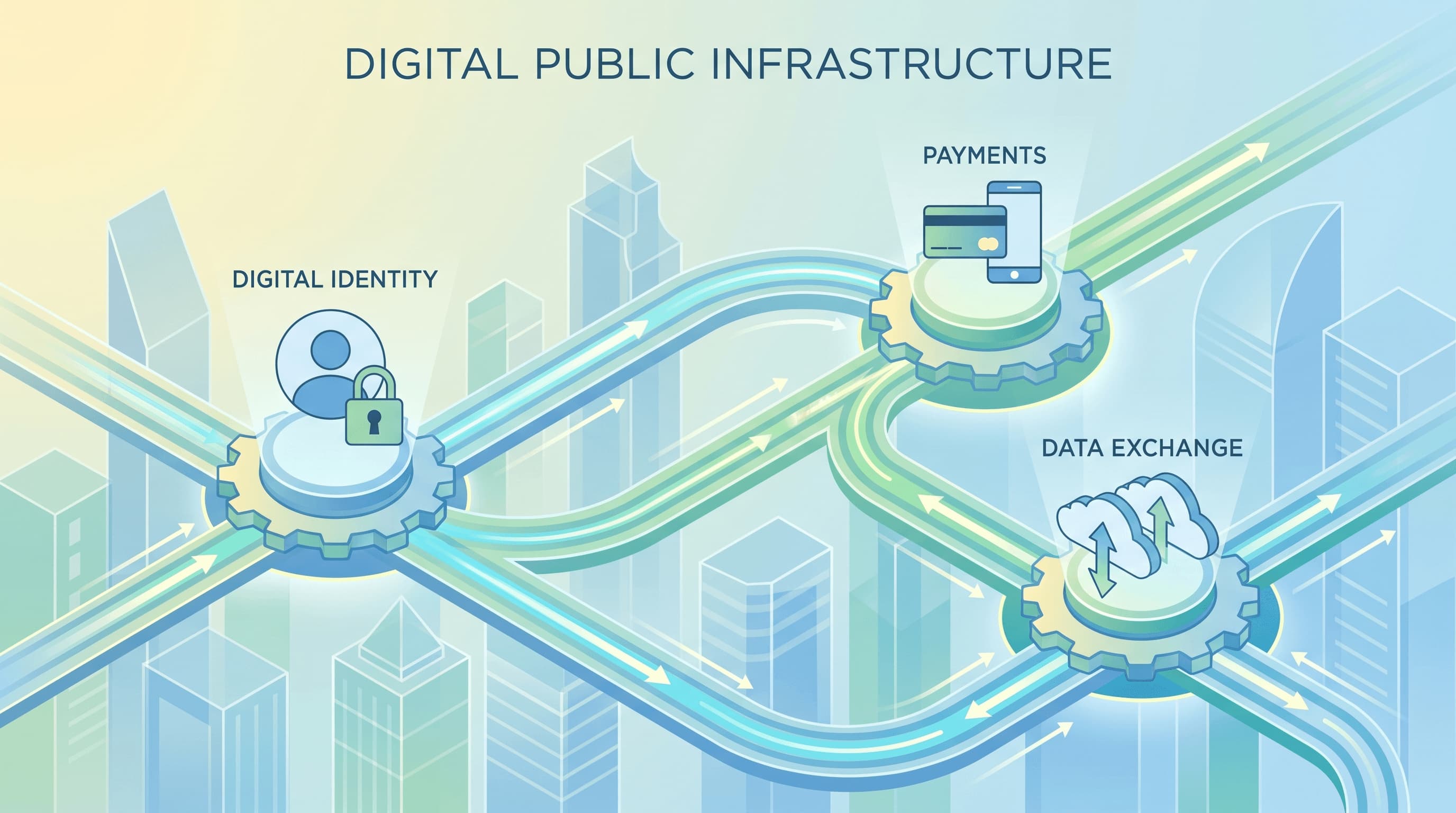
In the rapidly evolving landscape of global technology, a new strategic layer is emerging, one that promises to redefine how nations build their digital futures: Digital Public Infrastructure (DPI). Far from being just another set of government IT projects, DPI is increasingly viewed as the foundational digital capacity for the internet age – akin to the roads, electricity grids, or public health systems that underpin a functioning society.
What Exactly is Digital Public Infrastructure?
At its core, Digital Public Infrastructure refers to a stack of open, interoperable systems designed to facilitate essential public and private services at population scale. Think of it as the digital backbone that connects citizens, businesses, and governments. As described by ORF America, this stack typically integrates three critical components: digital identity, payments, and data exchange. These aren't isolated systems but rather interconnected layers that allow for seamless, secure, and efficient digital interactions.
Consider the examples of Pix in Brazil or India's Unified Payments Interface (UPI). These aren't just payment apps; they are national-scale, real-time payment systems built on open standards, enabling instant transactions between virtually anyone with a bank account or digital wallet. They demonstrate how open, interoperable systems can operate effectively at a massive scale, driving financial inclusion and fostering innovation.
The Strategic Shift: Why DPI Matters Now
For years, digital transformation in the public sector often meant siloed projects – a new tax portal here, an online license application there. While valuable, these efforts often lacked a coherent, foundational strategy. The conversation around DPI, however, represents a significant paradigm shift. The G20 and the United Nations have increasingly framed DPI not as a piecemeal collection of initiatives, but as a trusted, inclusive, and public-interest layer essential for service delivery and fostering innovation.
This evolving perspective recognizes that identity, payments, and data-sharing rails are not merely conveniences but fundamental components of a modern digital economy and society. Just as physical infrastructure like roads and bridges enable economic activity, DPI provides the essential digital pathways for commerce, governance, and social interaction. It’s about building a shared digital foundation that everyone can use and build upon, rather than a fragmented landscape of proprietary or isolated systems.
The Immense Promise of DPI
The potential benefits of robust Digital Public Infrastructure are transformative:
Driving Inclusion and Equity
One of the most compelling promises of DPI is its capacity to foster greater inclusion. By providing universal digital identity and accessible payment systems, millions who were previously unbanked or underserved can gain access to essential services, participate in the digital economy, and receive social benefits more efficiently. This reduces barriers to entry for individuals and small businesses, leveling the playing field.
Lowering Transaction Costs and Boosting Efficiency
Open, interoperable systems dramatically reduce the friction and cost associated with digital transactions. Whether it's government-to-citizen payments, business-to-business transfers, or peer-to-peer remittances, DPI streamlines processes, cuts down on intermediaries, and accelerates economic activity. This efficiency translates into significant savings for individuals, businesses, and governments alike.
Catalyzing Public-Private Innovation
DPI acts as a platform, much like an operating system, upon which both public and private sectors can build innovative new services. When core functionalities like identity verification and secure payments are provided as public goods, private companies can focus on developing value-added applications and services, rather than reinventing the foundational layers. This fosters a vibrant ecosystem of innovation, leading to better services and new economic opportunities.
Navigating the Challenges and Cautions
While the promise of DPI is vast, its implementation is not without significant challenges and risks that demand careful consideration:
Protecting Privacy and Preventing Surveillance
The collection and centralization of vast amounts of personal data for digital identity and data exchange systems raise critical privacy concerns. Robust legal frameworks, strong data protection regulations, and transparent governance mechanisms are essential to ensure that individual privacy is protected and that these systems cannot be misused for surveillance or control.
Ensuring Interoperability and Avoiding Fragmentation
The very definition of DPI emphasizes interoperability, but achieving it across diverse technological landscapes and institutional silos is complex. Without common standards and clear protocols, different national or regional DPI initiatives could become fragmented, undermining the goal of seamless digital interaction. This requires sustained collaboration and commitment from all stakeholders.
Building Institutional Capacity and Trust
Implementing and maintaining sophisticated DPI requires significant technical expertise, strong governance structures, and the ability to adapt to evolving threats and technologies. Countries need to invest in human capital and develop robust institutions that can manage these systems securely and equitably. Furthermore, public trust is paramount; citizens must believe that these systems are fair, secure, and serve their best interests.
Mitigating Governance Risks and Power Centralization
Who controls these foundational digital layers? The potential for a single entity or a small group to exert undue influence over critical infrastructure is a serious governance risk. Mechanisms must be in place to ensure distributed control, prevent vendor lock-in, and guarantee accountability. The design of DPI must prioritize democratic values and guard against the concentration of power.
DPI as a Strategic Imperative
The emergence of Digital Public Infrastructure as a strategic layer reflects a global recognition that foundational digital capacity is no longer optional. It's about building resilient, inclusive, and innovative digital societies that can thrive in the 21st century. For policymakers, technologists, and citizens alike, understanding DPI means recognizing its dual nature: a powerful enabler of progress, but also a system that demands meticulous design, robust governance, and unwavering commitment to public good. As more countries embark on this journey, the global conversation around DPI will undoubtedly shape the future of digital economies and governance for decades to come.