Why Data Sovereignty Is Redesigning Cloud Infrastructure
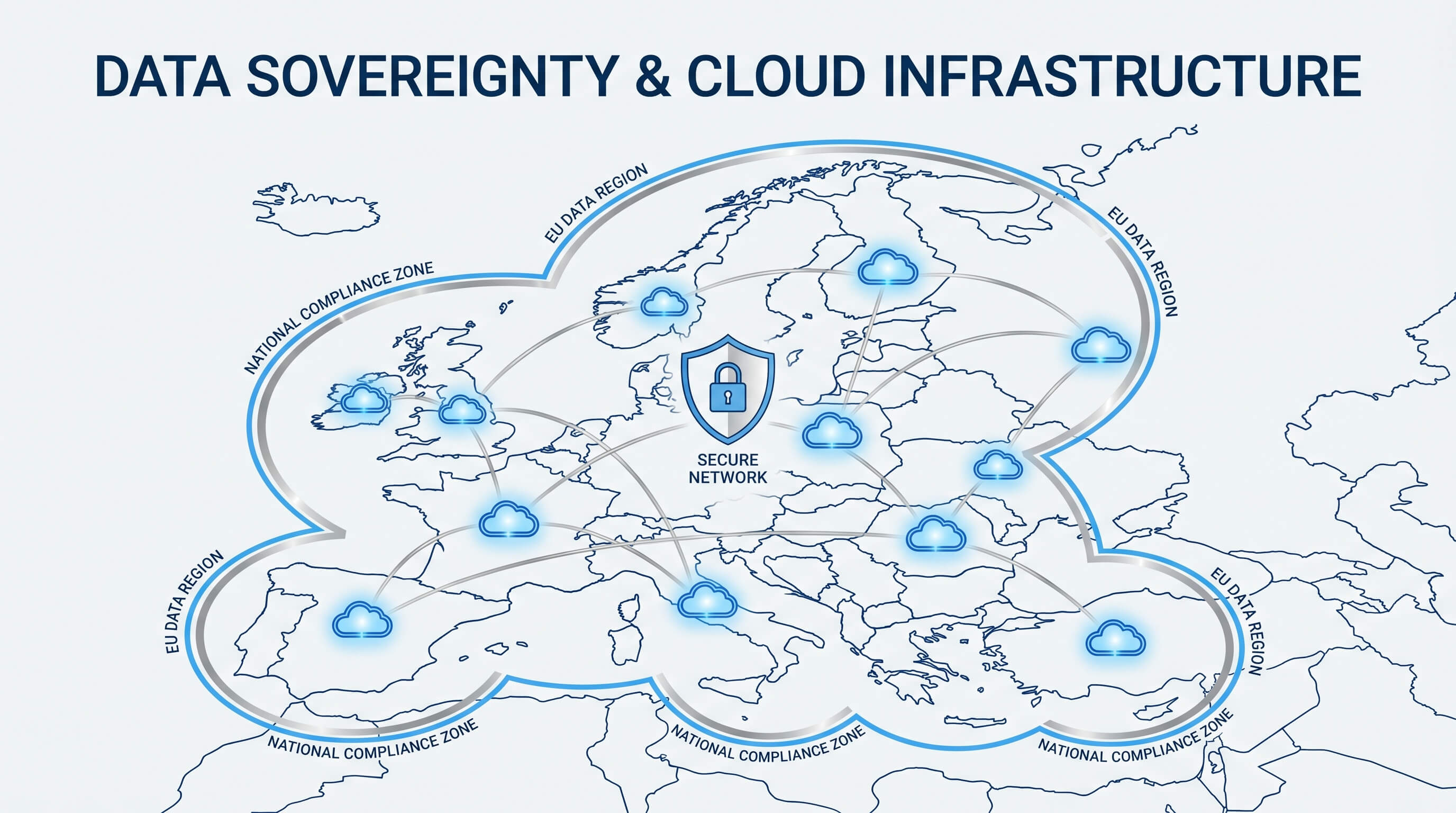
In an increasingly interconnected digital world, the concept of data sovereignty is rapidly evolving from a niche legal concern into a fundamental driver of cloud infrastructure design. This shift is compelling cloud providers and enterprises alike to rethink how data is stored, processed, and managed globally, moving towards more regionally aware and policy-driven architectures. The implications extend far beyond mere legal paperwork, fundamentally reshaping everything from regional service offerings to the very core of how cloud systems are built and operated.
Understanding the Nuances: Residency, Localization, and Sovereignty
Before delving into the architectural implications, it is crucial to clarify the often-confused terms: data residency, data localization, and data sovereignty. While related, they represent distinct levels of control and legal enforceability:
- Data Residency: This is the most basic concept, referring to the physical geographic location where data is stored. For example, a company might choose to store its customer data in a data center located within Germany. The primary concern here is the physical location of storage, often driven by contractual agreements or basic compliance requirements.
- Data Localization: This takes residency a step further. Data localization mandates that certain types of data not only be stored within a specific jurisdiction but also processed and managed exclusively within that jurisdiction. This often implies restrictions on cross-border transfers and may require that all operations related to that data occur within the defined geographic boundaries.
- Data Sovereignty: This is the most comprehensive and impactful concept. Data sovereignty asserts that data is subject to the laws and governance structures of the nation where it is collected or where its subjects reside, regardless of where it is physically stored. This means that even if data is stored in a data center in a different country, the originating nation may still claim legal jurisdiction over it. Data sovereignty implies a nation's right to control access, processing, and transfer of data belonging to its citizens or collected within its borders, even by foreign entities. It is about legal and political control, not just physical location.
It is data sovereignty, with its broad legal and political implications, that is having the most profound impact on cloud infrastructure design.
The Architectural Imperative: Compliance Meets Performance
Businesses operating globally often face a challenging trade-off: ensuring compliance with diverse data sovereignty regulations versus maintaining optimal performance and user experience. Cloud providers are responding by developing sophisticated services that allow granular control over data placement and processing.
Cloudflare, for instance, offers a suite of services designed to address this challenge:
- Regional Services: These allow customers to process data within specific geographic regions, ensuring that traffic and data processing adhere to local regulations.
- Geo Key Manager: This service ensures that encryption keys are managed and stored within specific geographies, preventing their export or access from outside a defined jurisdiction.
- Keyless SSL: For organizations with extremely strict key management requirements, Keyless SSL allows customers to keep their private SSL keys on-premises or in a designated regional hardware security module (HSM), while Cloudflare handles the SSL handshake without ever possessing the private key.
- Customer Metadata Boundary: This feature provides control over where customer metadata resides, ensuring that even operational data adheres to sovereign requirements.
- Regional controls for some serverless data placement: For serverless functions and applications, Cloudflare provides options to control where data associated with these services is placed, offering fine-grained control for modern, distributed architectures.
Similarly, AWS emphasizes that sovereignty work requires a deep understanding of regulations, the implementation of fine-grained access controls, and robust in-region resilience. This holistic approach acknowledges that simply placing data in a region is insufficient; control over who can access it, how it is processed, and its availability within that region are equally critical.
A New Era: The European Sovereign Cloud
A concrete manifestation of this architectural shift is the AWS European Sovereign Cloud, which launched in January 2026. This initiative represents a significant commitment to data sovereignty, designed to meet the strictest regulatory requirements of the European Union. It is physically and logically separate from existing AWS regions, ensuring that all customer data and operations remain within the EU. Crucially, it is operated by EU-based personnel, further reinforcing the sovereign control over data and infrastructure. This development underscores that major cloud providers are not merely tweaking existing services but are building entirely new, dedicated infrastructures to address the demands of data sovereignty.
Redesigning the Cloud: Beyond Legal Paperwork
The core angle here is that data sovereignty is fundamentally changing cloud architecture, not just adding layers of legal paperwork. It is forcing a re-evaluation of how cloud services are designed, deployed, and managed:
- Region Choice: Enterprises are no longer simply choosing the closest or cheapest region. Mandates for data residency and sovereignty now dictate specific geographic regions for data storage and processing, often requiring multiple regional deployments.
- Key Management: The location and control of encryption keys are paramount. Solutions like Geo Key Manager or customer-managed keys in specific sovereign hardware security modules (HSMs) are becoming standard requirements, ensuring keys never leave a defined jurisdiction.
- Logging Boundaries: Operational logs, audit trails, and monitoring data, which often contain sensitive information, must also adhere to sovereign requirements, necessitating localized logging and analytics infrastructure.
- Failover and Disaster Recovery: Traditional disaster recovery strategies often involved cross-region replication. With sovereignty, DR plans must be redesigned to ensure data remains within the required sovereign boundary, even during outages, potentially leading to more complex active-active regional designs.
- Support Operations: For highly sensitive data, some sovereign requirements mandate that even support personnel accessing data must be citizens of the relevant jurisdiction, influencing staffing models and access protocols for cloud providers.
- Procurement: The choice of cloud provider and specific services is increasingly influenced by their ability to demonstrate compliance with sovereign requirements, leading to more rigorous vendor assessments.
- Multi-Cloud Design: Organizations are strategically distributing workloads across multiple cloud providers and regions to meet diverse sovereign demands, creating more complex, yet resilient, multi-cloud and hybrid cloud architectures.
This shift signifies a move from a purely globalized, "anywhere" cloud model to one that is inherently aware of geopolitical and regulatory boundaries, embedding compliance directly into the architectural fabric.
Conclusion: A More Regional, Policy-Aware Internet
The rise of data sovereignty is undeniably transforming the landscape of cloud computing. Far from leading to a fragmented or less connected internet, it is instead fostering a more regional, policy-aware, and intelligently interconnected digital ecosystem. Cloud providers are responding with innovative architectural solutions that offer unprecedented control and transparency over data location and processing. As regulations continue to evolve, the emphasis on sovereign clouds and region-specific controls will only grow, ensuring that the internet remains globally accessible while respecting national laws and individual data rights.