Why Bidirectional Charging Could Be the Next Real EV Upgrade
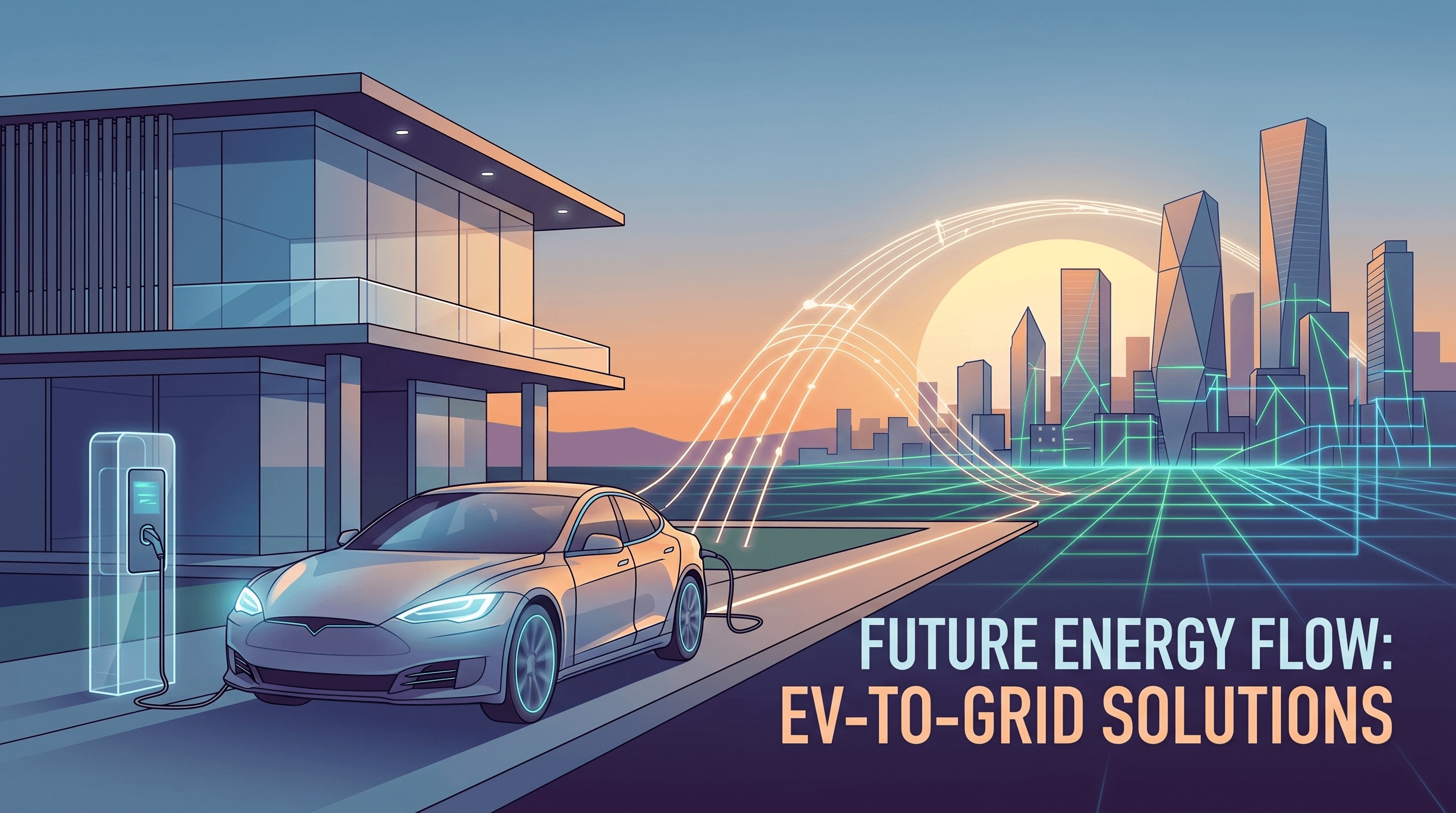
For years, the electric vehicle (EV) revolution has been largely defined by two key metrics: how far can it go on a single charge, and how quickly can it recharge? While range anxiety and charging speed remain important considerations for many potential buyers, a new, more profound capability is beginning to shift the conversation. Bidirectional charging, the ability for an EV to not only draw power from the grid but also to send it back, is poised to become the next real upgrade, transforming our vehicles from mere modes of transport into valuable, mobile energy assets.
Imagine your EV not just as a way to get from A to B, but as a giant battery on wheels, capable of powering your home during an outage, offsetting peak electricity costs, or even contributing to the stability of the entire electrical grid. This isn't science fiction; it's the promise of bidirectional charging, and it's rapidly moving from niche feature to mainstream potential.
Understanding Bidirectional Charging: V2L, V2H, and V2G
To fully appreciate the scope of this technology, it's important to differentiate between its various applications:
Vehicle-to-Load (V2L)
V2L is perhaps the most straightforward and already widely available form of bidirectional capability. It allows your EV to act as a mobile power bank, supplying electricity to external devices. Think of it as a giant portable generator. Many modern EVs, particularly pickups and SUVs, now offer standard household outlets (120V or even 240V) that can power anything from power tools at a remote job site to a coffee maker and mini-fridge during a camping trip. It's about convenience and utility, extending the functionality of your vehicle beyond just driving.
Vehicle-to-Home (V2H)
V2H takes the concept a significant step further. With the right home charging equipment and an inverter, your EV can power your entire house. This is particularly valuable during power outages, offering a robust backup power solution without the noise, fumes, or fuel requirements of a traditional gasoline generator. Beyond emergencies, V2H can also help homeowners optimize their energy consumption. If you have solar panels, your EV can store excess solar energy generated during the day and then discharge it to power your home in the evening, reducing reliance on grid power and potentially lowering electricity bills, especially if you're on a time-of-use tariff where electricity is more expensive during peak hours.
Vehicle-to-Grid (V2G)
V2G is the most ambitious and complex application, where your EV actively interacts with the broader electrical grid. In a V2G system, your car can discharge power back into the grid, typically during periods of high demand or when renewable energy sources like solar or wind are not producing enough power. In return, vehicle owners can be compensated by utilities or aggregators for providing these grid services. This turns individual EVs into flexible, distributed energy resources, capable of helping balance the grid, reduce strain on power plants, and integrate more renewable energy. It requires sophisticated communication protocols between the vehicle, charger, and grid operator, but its potential for grid stability and decarbonization is immense.
EVs as Flexible Distributed Energy Resources
The implications of bidirectional charging extend far beyond individual convenience. Utilities and energy regulators are increasingly recognizing the vast, untapped potential of EV fleets as flexible distributed energy resources (DERs). With millions of EVs expected on the road in the coming decade, their collective battery capacity represents an enormous energy storage opportunity. Instead of viewing EV charging solely as a new load on the grid, forward-thinking energy providers are exploring how these vehicles can become active participants in grid management.
Automakers, too, are rapidly expanding bidirectional support across more models. What started as a niche feature in a few pioneering vehicles is becoming a strategic priority, with many new EV platforms being designed from the ground up to support V2H and V2G capabilities. This widespread adoption is crucial for moving bidirectional charging from concept to reality.
Why This Matters Beyond EV Enthusiasts
The benefits of bidirectional charging aren't just for early adopters or tech enthusiasts. They address real-world challenges faced by homeowners and grid operators alike:
- Power Outages: For regions prone to severe weather or an aging electrical infrastructure, V2H offers a silent, clean, and reliable backup power source, providing peace of mind during blackouts.
- Time-of-Use (TOU) Tariffs: Many electricity providers charge different rates depending on the time of day. Bidirectional charging allows EV owners to charge their vehicles during off-peak, low-cost hours and then discharge that stored energy to power their homes during expensive peak hours, significantly reducing electricity bills.
- Pairing with Rooftop Solar: Homeowners with solar panels can maximize their self-consumption by storing excess solar generation in their EV battery during the day and using it at night, rather than sending it back to the grid for minimal credit or drawing expensive grid power.
- Virtual Power Plant (VPP) Programs: These programs aggregate the capacity of many distributed energy resources, including EVs, to provide grid services. Participating EV owners can earn income by allowing their vehicles to discharge power to the grid during critical times, effectively becoming part of a larger, decentralized power network.
The Road Ahead: Challenges and Realities
While the promise of bidirectional charging is compelling, it's important to keep the analysis grounded. The path to widespread adoption isn't without its hurdles:
- Standards are Still Messy: A universal standard for bidirectional charging hardware and communication protocols is still evolving. Different automakers and charging equipment manufacturers sometimes use proprietary systems, which can complicate installation and interoperability.
- Installation is Not Simple: Implementing V2H or V2G requires more than just a standard EV charger. It typically involves a specialized bidirectional charger, an inverter, and often a home energy management system, along with professional electrical installation. This adds to the initial cost and complexity.
- Economics Vary by Region: The financial benefits of bidirectional charging depend heavily on local electricity rates, utility programs, and incentives. In some regions, the savings from TOU optimization or VPP participation might quickly offset the installation costs, while in others, the economic case is less clear or primarily driven by resilience needs.
- Battery Degradation Worries: A common concern among EV owners is whether frequent discharging and recharging will accelerate battery degradation. While all batteries degrade over time, modern battery management systems are sophisticated, and studies often suggest that smart bidirectional charging, especially when managed by a VPP, has a minimal or even negligible impact on battery longevity compared to regular driving and charging cycles. However, these worries are not fully gone for all consumers.
Conclusion: A New Era for EVs
Bidirectional charging is not a universal feature yet, nor is its implementation always straightforward. However, its potential to fundamentally alter the relationship between our vehicles, our homes, and the electrical grid is undeniable. After years of focusing on range and speed, bidirectional charging represents a profound shift, offering a tangible pathway for EVs to contribute directly to household energy independence and grid resilience. It may well be the first EV feature that truly connects the dots between transport electrification and a more sustainable, robust energy future for everyone.