Why AI Smart Glasses Are Starting to Feel Like a Real Computing Category
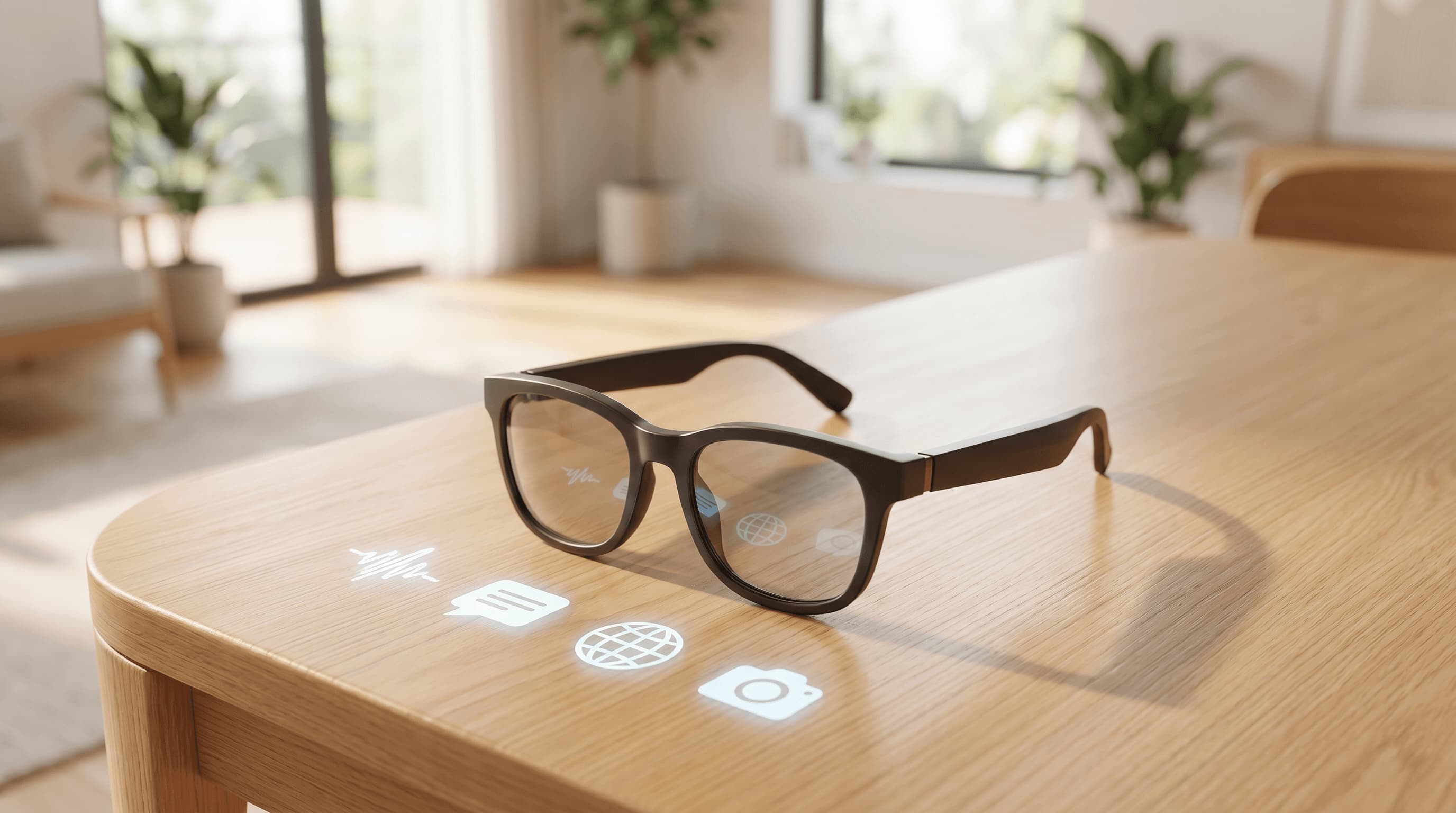
For years, the idea of smart glasses conjured images of science fiction — augmented reality overlays, holographic displays, and a constant stream of digital information beamed directly into our retinas. The reality, for a long time, was far less glamorous: bulky prototypes, limited functionality, and a hefty dose of social awkwardness that earned early adopters the derisive moniker "glassholes." Yet, something has shifted. We're now seeing a new wave of AI-powered smart glasses that, while still far from our sci-fi dreams, are beginning to feel genuinely useful, practical, and, dare I say, cool. They are, for the first time, starting to resemble a legitimate computing category rather than just a niche gadget.
Beyond the Hype: What's Different Now?
The biggest change isn't a sudden leap in display technology or battery life, though those are improving. Instead, it's a fundamental shift in philosophy and design, exemplified by products like the latest Ray-Ban Meta smart glasses. Meta’s announcement in March 2026, highlighting prescription-optimized styles and framing them as all-day wearable AI glasses with ongoing software updates, was a significant marker. This isn't about novelty AR experiences; it's about integrating useful technology into a familiar form factor we already wear daily.
The critical consumer shift isn't about replacing your phone with a holographic interface. It's about the seamless, hands-free blend of capabilities: high-quality audio for calls and music, a discreet camera to capture life's fleeting moments, sophisticated voice AI for instant queries, real-time translation, and quick messaging — all wrapped in comfortable, stylish eyewear. This combination makes them less of a futuristic curiosity and more of a practical extension of our digital lives.
A Secondary Computer, Not a Replacement
Let's be clear: AI smart glasses are not here to replace your smartphone. Not yet, anyway. Their true potential lies in becoming a plausible secondary computer, excelling in specific contexts where a phone is cumbersome or intrusive. Think of them as a highly specialized tool for "capture, communication, and glanceable assistance."
Imagine you're cooking, hands covered in flour, and need to quickly convert a measurement. Instead of fumbling for your phone, a quick voice command to your glasses provides the answer. Or you're at a child's school play, wanting to capture a candid moment without holding up a phone and blocking someone's view. A simple voice command or discreet button press on your glasses captures the photo or video, keeping you present in the moment.
Key Use Cases That Resonate
The utility of these new smart glasses can be broken down into a few compelling categories:
Hands-Free Capture
This is arguably one of the most immediately appealing features. The ability to snap photos or record short videos from your natural perspective, without interrupting the flow of an event, is incredibly powerful. Whether it's a spontaneous laugh, a beautiful sunset, or a crucial step in a DIY project, the glasses act as an extension of your memory, capturing life as you see it. The discreet camera means you're less likely to pull people out of the moment, fostering more authentic interactions.
Seamless Communication
Integrated speakers and microphones turn your glasses into a personal audio hub. Take calls discreetly, listen to podcasts or music without visible earbuds, and send quick audio messages. The advent of real-time translation features, powered by on-device AI, is also a game-changer for travelers or those interacting in multilingual environments, breaking down communication barriers in a remarkably natural way.
Glanceable Assistance and AI Integration
This is where the "AI" in AI smart glasses truly shines. With an integrated voice assistant, you can ask questions, get directions, set reminders, or receive notifications without ever looking at a screen. The information is delivered audibly or via subtle visual cues in your peripheral vision. It's about getting just enough information at the right time, without pulling you away from the real world. This "glanceable" nature is key to avoiding distraction while remaining connected and informed.
Addressing the Barriers: The Path to Widespread Adoption
Despite the promising advancements, smart glasses still face significant hurdles before they become truly mainstream. These aren't insurmountable, but they require continuous innovation and thoughtful design:
Battery Life
For smart glasses to be "all-day wearable," battery life needs to improve significantly. Current models often require mid-day recharges, which, while manageable, still adds friction to the user experience. As components become more power-efficient and battery technology advances, this will become less of an issue.
Privacy and Social Acceptability
The presence of a camera on a person's face inevitably raises privacy concerns. Clear indicators when recording, transparent usage policies, and public education are crucial. Manufacturers must prioritize user control and privacy by design. Social acceptability is also a factor; overcoming the initial "glasshole" stigma requires designs that are indistinguishable from regular eyewear and a clear understanding of their benefits by the wider public.
Limited Displays (and why that's okay, for now)
Many current smart glasses offer minimal displays, often just a small indicator light or a subtle projection in the periphery. While some might see this as a limitation compared to full AR headsets, it's actually a strength for this generation of devices. It keeps them lightweight, power-efficient, and less distracting. The goal isn't to constantly bombard you with digital information, but to provide timely, relevant assistance without pulling you out of the moment. Future iterations will likely see more advanced, yet still subtle, display technologies.
The Challenge of Usefulness Without Distraction
The core design challenge for smart glasses is to be genuinely useful without being overly distracting. The balance between providing helpful information and avoiding information overload is delicate. This is where sophisticated AI and intelligent notification systems become paramount, ensuring that only truly important alerts or relevant data reach your attention.
The Road Ahead: An Evolving Category
The journey of smart glasses from niche gadget to a potential computing category is an iterative one. It won't be a sudden revolution, but a steady evolution driven by software updates, hardware refinements, and a deeper understanding of genuine user needs. As AI capabilities improve, as battery technology advances, and as designs become even more integrated and discreet, the utility of these devices will only grow.
We're witnessing the early stages of a new way to interact with our digital world – one that prioritizes presence, natural interaction, and seamless integration into our daily lives. AI smart glasses are no longer just a futuristic dream; they are becoming a tangible, practical reality, carving out their own space in the ever-expanding landscape of personal technology. They are indeed starting to feel like a real computing category, and that's an exciting prospect.