The WebAssembly Component Model Is Turning Plugins Into Portable Building Blocks
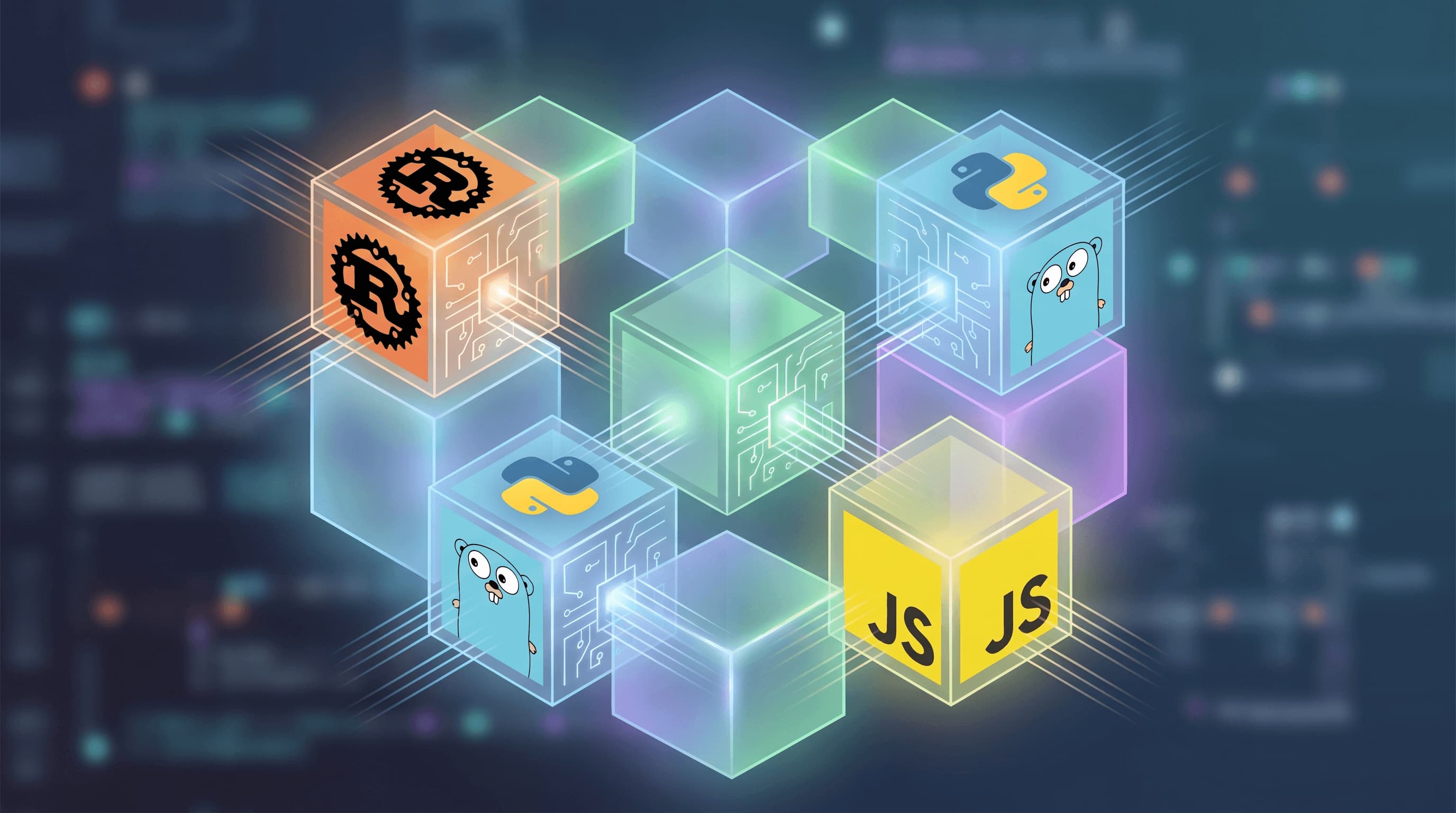
For years, WebAssembly (Wasm) captured headlines primarily through its promise of near-native performance for web applications, enabling computationally intensive tasks directly in the browser. While those performance gains remain a crucial aspect, the most significant and transformative story for developers today is unfolding outside the browser: the WebAssembly component model. This architectural shift, combined with the WebAssembly System Interface (WASI) and the WebAssembly Interface Type (WIT), is fundamentally changing how we think about packaging, sharing, and executing code across different languages and runtimes.
This isn't just an incremental update; it's a paradigm shift towards a future where software components are truly portable, interoperable building blocks. The component model allows developers to create modules that can be easily composed, regardless of the source language, and run reliably in any environment that supports Wasm. This capability extends far beyond the browser, empowering use cases from serverless functions and edge computing to embedded systems and complex internal platforms. The era of bespoke bindings and runtime lock-in for cross-language communication is steadily giving way to a more standardized, efficient, and flexible approach.
Understanding the Core Technologies
At the heart of this revolution are three interconnected technologies: the WebAssembly component model, WASI, and WIT. Together, they form a powerful trifecta designed to address long-standing challenges in software modularity and interoperability.
The WebAssembly Component Model: A New Standard for Interoperability
The component model, as described by the Bytecode Alliance, provides an architecture for interoperable WebAssembly libraries, applications, and environments. It elevates Wasm modules from isolated binaries to rich, composable components. Unlike raw Wasm modules, components have well-defined interfaces, allowing them to communicate securely and efficiently with other components and the host environment. This means a component written in Rust can seamlessly interact with one written in Go or JavaScript, all within the same Wasm runtime, without the need for complex, language-specific glue code.
WASI: Standardizing System Interactions
The WebAssembly System Interface (WASI) is a modular system interface for WebAssembly. It provides a set of standardized APIs that Wasm modules can use to interact with the underlying operating system, much like POSIX does for native applications. This is crucial for Wasm's portability outside the browser, enabling access to file systems, network sockets, and environment variables. WASI 0.2.0, a stable set of WIT definitions released in January 2024, marked a significant milestone, providing a robust foundation for components to target. Fermyon's 2025 WASI status update further highlights the evolution, noting that WASIp2 added higher-level concepts like HTTP and moved WASI onto the component model with WIT, with WASIp3 approaching technical completion with async support. These are vital ecosystem milestones, though not universal production guarantees.
WIT: The Universal Interface Contract
WebAssembly Interface Type (WIT) is the unsung hero enabling this cross-language communication. In plain language, WIT acts like an interface contract or a schema for Wasm components. It defines the types and functions that a component exposes and expects, allowing code written in different languages to understand and communicate with each other without the need for bespoke bindings everywhere. Think of it as a language-agnostic IDL (Interface Definition Language) for Wasm. When a component is compiled, its interface is described in WIT, and runtimes can then use this description to generate the necessary glue code automatically, ensuring type safety and compatibility across the component boundary.
Practical Applications and Benefits for Developers
The implications of this component model are profound, opening up new avenues for software design and deployment:
- Portable Plugins and Extensions: Developers can build plugins, extensions, or custom logic as Wasm components that can be loaded and run by any application supporting the component model, regardless of the application's host language. This drastically simplifies plugin ecosystems and reduces integration overhead.
- Policy Engines: Implement business logic or security policies as Wasm components that can be embedded into various services. This allows for centralized policy management and consistent enforcement across a distributed system, without redeploying entire applications.
- Edge Functions and Serverless: Deploy lightweight, sandboxed functions to the edge or serverless platforms with minimal overhead and rapid startup times. The component model ensures these functions can interact with host services in a standardized way.
- Internal Platform Extensions: Empower internal teams to extend core platforms with custom functionality using their preferred languages, while maintaining strict isolation and predictable performance.
- Embedding Sandboxed Modules: Safely embed untrusted or third-party code into larger systems. The Wasm sandbox provides strong security guarantees, and the component model facilitates controlled interaction with the host.
- Reducing Runtime Lock-in: By standardizing interfaces and execution, the component model helps decouple code from specific runtimes or language ecosystems, offering greater flexibility and reducing vendor lock-in.
Acknowledging the Current Limitations
While the vision is compelling, it's important to be honest about the current state of the ecosystem. The WebAssembly component model is still maturing, and developers adopting it today will encounter some rough edges:
- Tooling is Early: The development tooling, including compilers, debuggers, and IDE integrations, is still evolving. While significant progress has been made, it doesn't yet offer the same level of maturity and polish as mainstream native or container-based development workflows.
- Debugging Challenges: Debugging Wasm components, especially across language boundaries or within complex runtime environments, can be more challenging than traditional debugging. Improved source map support and integrated debugging tools are areas of active development.
- Ecosystem Convergence: The true power of packaging standards like the component model only materializes if runtimes, cloud vendors, and the broader developer community continue to converge on these standards. While momentum is strong, widespread adoption and consistent implementation across all platforms will take time.
- Performance Nuances: While Wasm itself is fast, the overhead of component model interfaces and runtime interactions, though optimized, can introduce subtle performance nuances that need careful consideration in highly performance-critical applications.
Actionable Takeaways for Developers
For developers looking to leverage the power of the WebAssembly component model, here are some actionable steps:
- Start Experimenting: Begin by exploring existing examples and tutorials from the Bytecode Alliance and Fermyon. Try building a simple multi-language component to understand the workflow.
- Focus on Use Cases: Identify specific problems in your projects where cross-language interoperability, sandboxing, or portable plugins could offer significant value. Policy engines, edge functions, or internal extension points are excellent starting points.
- Stay Informed on WASI Progress: Keep an eye on WASI releases and updates, particularly regarding new capabilities like HTTP and async support. These will directly impact the types of applications you can build.
- Contribute to Tooling: If you encounter gaps in tooling or documentation, consider contributing to open-source projects. The community is vibrant and welcomes contributions.
- Evaluate Runtime Support: Before committing to a large-scale adoption, research which Wasm runtimes and platforms offer robust support for the component model and WASI, ensuring alignment with your deployment strategy.
- Prioritize Clear Interface Design: With WIT, clear and well-defined interfaces are paramount. Invest time in designing robust component APIs that are easy to understand and use across different languages.
The WebAssembly component model, WASI, and WIT are ushering in a new era of modular, portable, and interoperable software. While challenges remain, the foundational pieces are in place to empower developers to build more flexible, resilient, and language-agnostic systems. The future of plugins and polyglot runtimes is no longer confined to specific environments; it's becoming a truly portable building block for the next generation of applications.