Ubisoft's AI teammates can talk back now, and half of developers still don't trust it
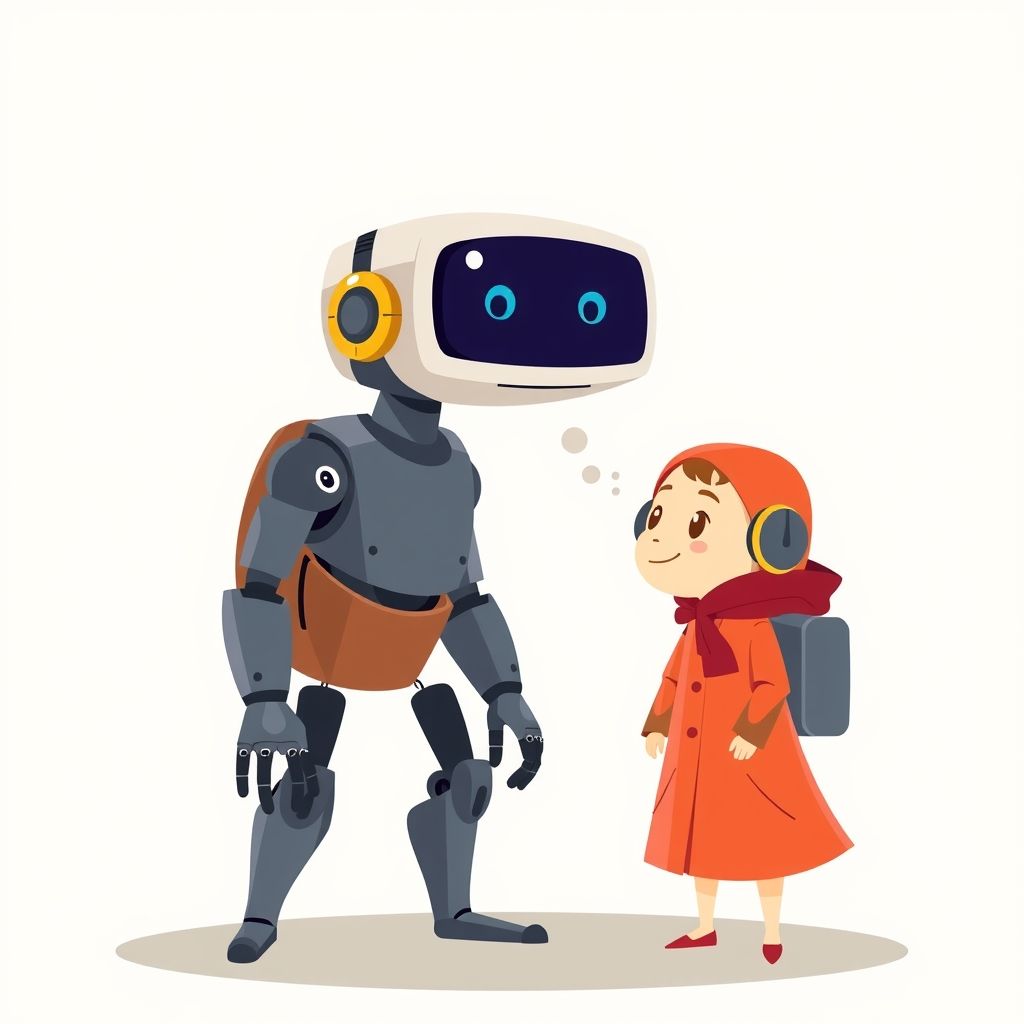
At GDC 2026 in San Francisco, an NPC in an unreleased Ubisoft prototype understood a voice command it had never been explicitly programmed to handle, and improvised an in-character response on the spot. It wasn't a trailer. It was running live on a build of the Snowdrop engine — the same engine that powers The Division franchise. The same week, a developer survey found that 52 percent of game developers view generative AI negatively. Both things are true simultaneously, and the gap between them is the actual story of AI in games right now.
From dialogue trees to agents
The Ubisoft demo, called Teammates, is an 80-person R&D project led by Xavier Manzanares, the studio's director of generative AI gameplay. It puts players alongside three AI-controlled squadmates — Jaspar, Pablo, and Sophia — who respond to natural spoken commands rather than a menu of preset options. Manzanares was explicit that Teammates is an R&D experiment, not a product announcement, but the underlying shift it represents is already showing up elsewhere in the industry: Krafton has used similar systems in PUBG and its life-simulation title inZOI, and Creative Assembly has explored the same approach for Total War.
The technical shift driving this is the move from scripted state machines to what the industry is now calling agentic NPC systems: characters with persistent memory, a defined personality profile, and the ability to reason about player intent rather than just matching keywords to a decision tree. NVIDIA's ACE (Avatar Cloud Engine) platform packages this into a pipeline studios can plug into Unreal or Unity — language model, speech recognition, text-to-speech, and facial animation bundled together — while Nemotron 3 Nano, a 4-billion-parameter model NVIDIA designed for on-device inference, handles the lower-latency NPC decision logic that a cloud round-trip would make feel sluggish in real time. Convai offers a similar hosted stack focused on memory and voice for teams that don't want to build the pipeline themselves.
Why more than half of developers aren't sold
The 52 percent negative-sentiment figure isn't really about whether the technology works — the Snowdrop demo proved it can. It's about what shipping it responsibly actually requires. Non-deterministic dialogue is difficult to QA: a scripted NPC says the same twelve lines every playthrough, which testers can fully verify, while a generative NPC can produce a functionally unlimited range of responses, some of which will break canon, contradict earlier story beats, or say something the studio didn't intend a family-rated game to say. Inference cost at scale is a second concern: running a language model per NPC per interaction, across millions of concurrent players, is a materially different cost structure than shipping static, pre-recorded dialogue that costs nothing per playthrough once it's built. Voice latency is a third: a squad-mate that pauses for 800 milliseconds before responding to a shouted command in the middle of a firefight breaks immersion in a way a menu-based response never does.
What separates a demo from a shipped feature
The studios furthest along share a common pattern: they're pushing decision-making and dialogue generation onto smaller, specialized, often on-device models — like Nemotron 3 Nano — rather than routing every NPC line through a large frontier model in the cloud. That keeps latency low and cost predictable, at the price of somewhat less flexible responses than a full frontier model would generate. The tradeoff mirrors what happened with AI inference generally over the past two years: the interesting engineering problem isn't which model is smartest, it's which model is cheap and fast enough to run at the scale a shipped game actually needs, millions of times a day, without blowing up either the budget or the frame time.
What to watch next
Three signals will indicate whether this moves from R&D demo to standard feature: whether Ubisoft (or any AA/AAA studio) ships Teammates-style agentic NPCs in a commercial release rather than a labeled experiment; whether on-device small-model NPC pipelines become a standard middleware offering rather than a bespoke build per studio; and whether the negative-sentiment number among developers moves as tooling matures, or whether it reflects a more durable concern about non-deterministic content in a medium that has always depended on tight authorial control. For now, the honest read is that the demo works, the tooling is real, and the industry has not yet solved the much less glamorous problem of shipping it at scale without breaking QA, budgets, or canon.