Sodium-ion batteries are moving from lab curiosity to entry-level EVs
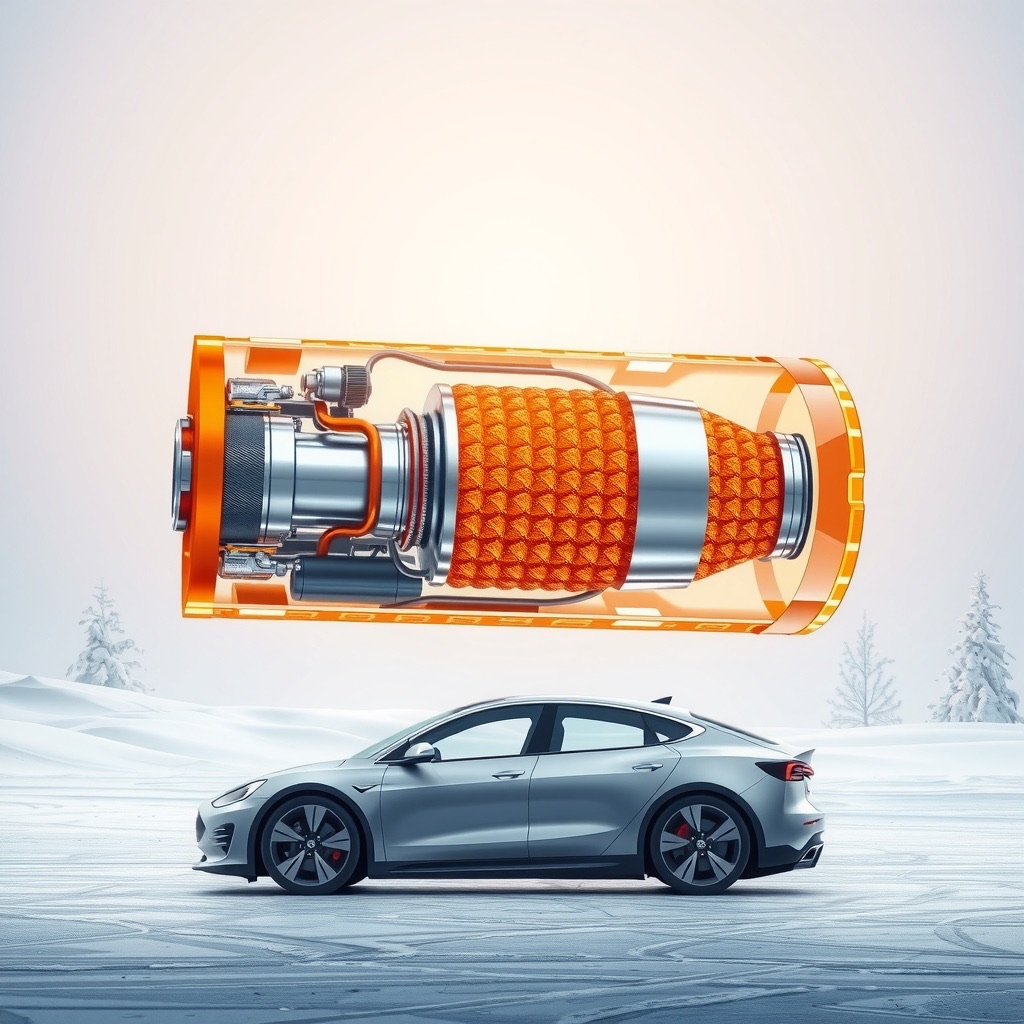
For over a decade, sodium-ion batteries were the technology that always showed up in research papers and never in showrooms — lower energy density than lithium, and no compelling reason to switch while lithium prices stayed manageable. That calculus changed in 2026. CATL's Naxtra sodium-ion cells are now shipping in the Changan Nevo A06, described by the company as the world's first mass-produced EV built around a sodium-ion pack, with CATL targeting up to 20,000 sodium-ion-equipped vehicles on the road by the end of the year.
The number that actually matters: cost
Sodium-ion's headline advantage was never performance — it is price. CATL's Naxtra cells are forecast at roughly $19 per kWh at volume, against $55–60 per kWh for large-volume lithium iron phosphate (LFP) purchases, the cheapest mainstream lithium chemistry currently in production. That is a 60–65% cost reduction on the single most expensive component in an EV. Industry analysts now project sodium-ion reaching outright price parity with lithium-ion by the end of 2026, driven by sodium's near-unlimited global supply compared to lithium's concentrated and price-volatile mining base.
That cost gap is why CATL and BYD — who together already account for more than half of global EV battery sales — are both racing to commercialize sodium-ion rather than treating it as a side project. Neither company is betting sodium-ion replaces lithium across their full lineup. They are betting it replaces lithium specifically at the bottom of the market, where every dollar of battery cost determines whether a vehicle is competitive against a gasoline equivalent.
Where sodium actually wins: cold weather
The energy density story is still a real limitation — CATL's current sodium-ion cells deliver approximately 175 Wh/kg, meaningfully behind LFP, translating to roughly 600 km of CLTC-rated range in the Nevo A06. That is respectable but not class-leading. Where sodium-ion has a genuine performance edge over lithium, rather than just a cost one, is cold-weather behavior: CATL's cells can charge at temperatures as low as -30°C and retain approximately 90% of usable capacity at -40°C, conditions that severely degrade both charging speed and range in lithium chemistries. For markets in northern China, Scandinavia, or Canada, that is not a marginal benefit — it directly addresses one of the most common real-world complaints about EV ownership in cold climates.
The three-year roadmap
CATL has stated its goal is closing the energy-density gap with LFP within three years, which would remove the last major performance argument against sodium-ion for mainstream vehicles. If that roadmap holds, the practical effect is a two-tier battery market forming by roughly 2028–2029: lithium chemistries (LFP and higher-density NMC) serving premium and long-range vehicles where every kilogram and every kWh of density counts, and sodium-ion serving the volume segment — commuter EVs, urban delivery fleets, two-wheelers, and budget models — where cost per vehicle and cold-weather reliability matter more than maximum range.
Notably absent: Western automakers
Every current sodium-ion production deployment is happening in China, through Chinese cell makers supplying Chinese OEMs. No US or European automaker has announced a sodium-ion vehicle program, and no Western battery maker has announced sodium-ion manufacturing capacity at comparable scale to CATL's. That gap matters for two reasons: it means Western entry-level EVs will likely continue relying on LFP imports or licensing deals rather than sodium-ion for the next several years, and it hands China's battery industry — which already dominates lithium cell manufacturing — a similar early lead in the chemistry positioned to dominate the cheapest tier of the EV market.
What this means if you're shopping for or building around EVs
If you're in a cold-weather market and shopping for a budget EV in the next 12–18 months, expect sodium-ion-equipped Chinese models to start appearing in export markets that accept Chinese EVs, and treat the cold-charging spec as a genuine advantage worth checking for, not marketing fluff. If you're building fleet or delivery vehicle procurement plans, sodium-ion's cost curve makes it worth tracking even if it is not yet available in your market — the total cost of ownership math shifts meaningfully once battery cost drops by half. And if you're a Western battery or automotive strategist, the absence of a competing sodium-ion program outside China is the gap to watch — whoever closes it first captures the volume segment of the EV market that lithium was never going to serve profitably.