Smart Rings vs. Smartwatches 2026: Which Wearable Reigns Supreme?
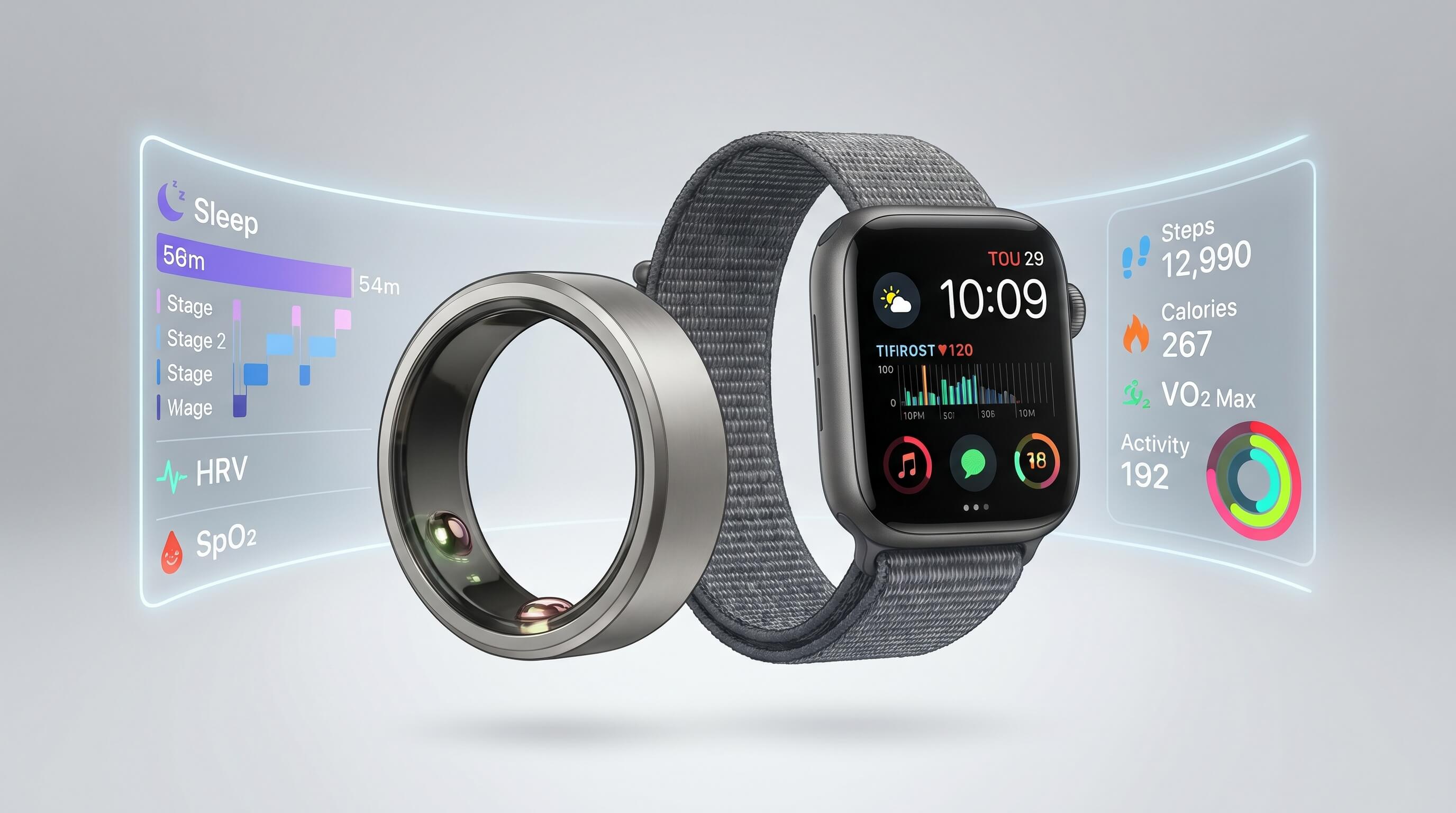
The wearable technology market has exploded over the past decade, transforming how we monitor our health, stay connected, and interact with our digital lives. As we look to 2026, two dominant form factors, the smartwatch and the smart ring, continue to evolve, each carving out its niche. While both aim to provide insights into your well-being and daily activities, their approaches and primary strengths differ significantly. Choosing between them isn't about which is objectively 'better,' but rather which aligns more closely with your lifestyle, priorities, and habits.
Smartwatches: The Command Center on Your Wrist
Smartwatches, pioneered by giants like Apple and Samsung, have long been the go-to for comprehensive, interactive wearable tech. By 2026, they've become incredibly sophisticated, often serving as a mini-smartphone on your wrist. Their strengths are undeniable:
- Active Workout Tracking & GPS: For athletes and fitness enthusiasts, smartwatches excel. They offer real-time metrics for a vast array of sports, precise GPS tracking for runs and rides, and live feedback on heart rate zones, pace, and distance. Integration with gym equipment and coaching apps is seamless.
- Notifications & Communication: The ability to receive calls, texts, and app notifications directly on your wrist, often with voice assistant integration, makes smartwatches unparalleled for staying connected without constantly reaching for your phone.
- Extensive App Ecosystem: From payment apps to navigation, music control, and even smart home management, smartwatches boast a rich ecosystem of third-party applications that extend their utility far beyond health tracking.
- Advanced Health Monitoring (with caveats): Modern smartwatches feature sophisticated sensors for ECG readings, blood oxygen saturation (SpO2), skin temperature, and even fall detection. Medical reviews increasingly acknowledge their utility in identifying potential heart rhythm irregularities like atrial fibrillation, making them valuable tools for early detection and data capture for healthcare providers. However, it's crucial to remember that these devices are not diagnostic medical tools; they are screening and monitoring aids. They provide data that can prompt a conversation with a doctor, but they do not replace professional medical diagnosis or treatment.
- Live Feedback & Interaction: The larger display allows for immediate, detailed feedback and interactive controls, which is particularly useful during workouts or when navigating complex menus.
Smart Rings: The Discreet Guardian of Your Well-being
Smart rings, while perhaps less ubiquitous than smartwatches, have quietly gained a loyal following, particularly among those who prioritize discretion, comfort, and deep health insights. Their minimalist design belies a powerful array of sensors and capabilities:
- Passive, Unobtrusive Wear: The primary appeal of a smart ring is its near-invisible presence. It doesn't interfere with professional attire, doesn't get in the way during manual tasks, and offers a sleek, fashionable alternative to bulkier wristwear.
- Superior Sleep & Recovery Tracking: This is where smart rings truly shine. Because they are so comfortable and unobtrusive, users are far more likely to wear them continuously, especially overnight. This consistent wear allows for more accurate and comprehensive sleep stage tracking, heart rate variability (HRV), and body temperature monitoring, which are crucial for understanding recovery and readiness. The form factor itself changes behavior; a device you forget you're wearing often captures better, more consistent data, leading to deeper insights into your sleep architecture and recovery patterns.
- Extended Battery Life: Without a power-hungry display, smart rings typically offer multi-day to week-long battery life, reducing charging anxiety and ensuring continuous data capture.
- Focus on Core Health Metrics: Smart rings often prioritize essential health data – heart rate, HRV, temperature, activity, and sleep – presenting it in an easy-to-understand format without the distraction of notifications or complex apps. This focused approach can lead to a clearer picture of foundational health.
- Comfort & Aesthetics: For many, the comfort of a lightweight ring, especially during sleep or while typing, is a significant advantage. They also blend seamlessly with personal style, often resembling traditional jewelry.
The Nuanced Conclusion: It Depends on Your Habits
In 2026, the choice between a smart ring and a smartwatch is not about one being definitively superior, but rather about aligning the technology with your individual needs and lifestyle. If your primary goal is active fitness tracking, receiving notifications on the go, making payments from your wrist, and having a broad app ecosystem at your fingertips, a smartwatch is likely your best bet. Its interactive display and comprehensive features make it an ideal digital companion for the active and connected individual.
Conversely, if you prioritize continuous, passive health monitoring, especially for deep insights into sleep quality, recovery, and overall well-being without the distractions of notifications or a bulky device, a smart ring offers an unparalleled experience. Its discreet nature encourages consistent wear, leading to more reliable and actionable health data, particularly for understanding your body's recovery state.
Ultimately, some individuals might even find value in using both – a smartwatch for daily activities and workouts, and a smart ring for continuous overnight tracking. The future of wearables isn't about a single device dominating, but about a diverse ecosystem catering to the varied and evolving needs of consumers. The right answer, as ever, depends entirely on you.