Smart glasses are closing in on multi-monitor replacement, but text clarity remains the holdout
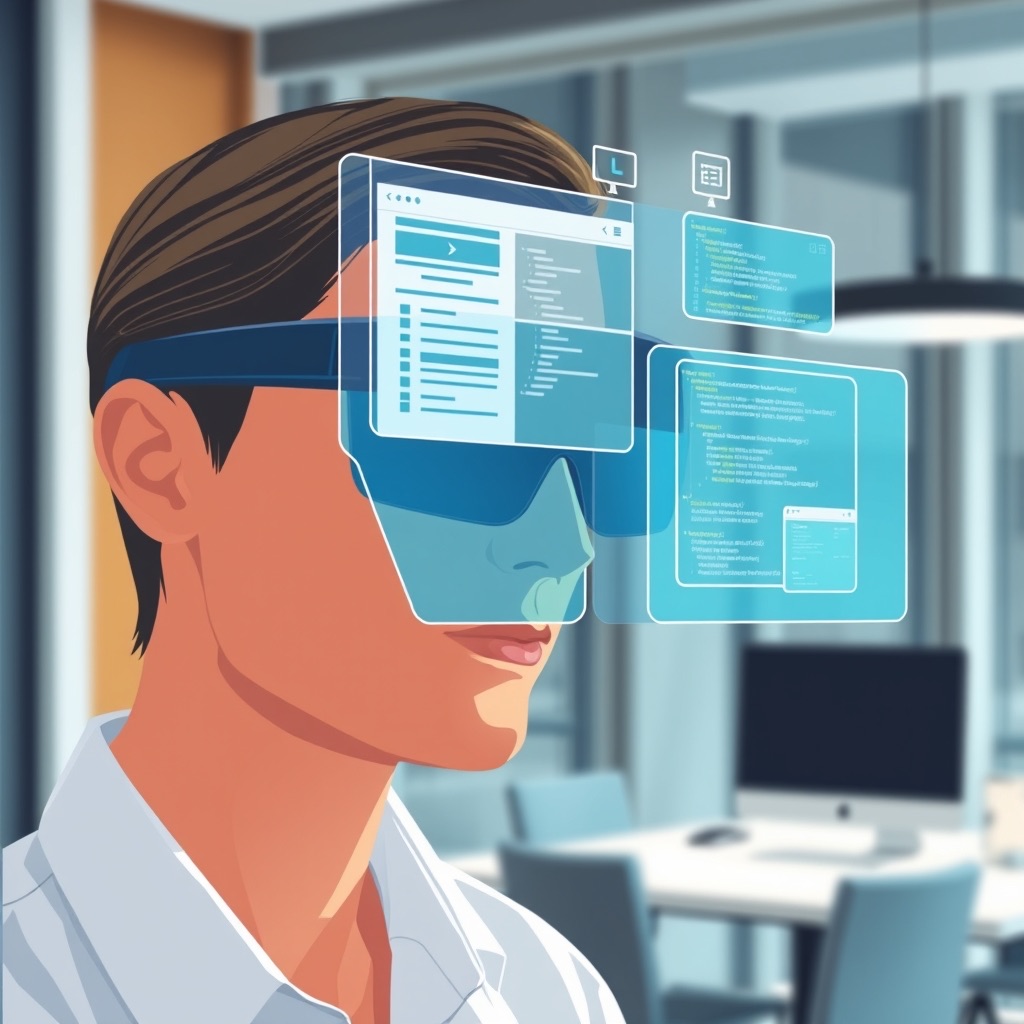
For years, "smart glasses as monitor replacement" was a pitch that outran the hardware — impressive demos, disappointing daily use. That gap has narrowed significantly in 2026. Current-generation display glasses from XREAL, VITURE, and RayNeo pair Micro-OLED panels running at 1920x1080 per eye with wide fields of view and refresh rates up to 120Hz, closing in on specs that genuinely support extended productivity work rather than novelty video watching.
The XREAL One Pro illustrates how far the category has moved: a 57-degree field of view, 1920x1080 Micro-OLED per eye at 120Hz, designed explicitly to replace a multi-monitor desk setup rather than supplement it. That's a meaningfully different pitch than earlier smart glasses, which mostly targeted casual media consumption. The question worth asking isn't whether the hardware has improved — it clearly has — but whether it's improved enough for the use case that actually matters: staring at text and code windows for eight hours.
Why field of view isn't the bottleneck anymore
Early smart glasses struggled with narrow fields of view that made multi-window layouts feel cramped, forcing users to mentally tile a small visible area. The current generation has largely solved this — 50 to 57 degrees is enough to comfortably fit several virtual windows side by side, roughly approximating a real multi-monitor arrangement. Brightness has followed a similar trajectory: VITURE's Luma reaches 1,000 nits, more than adequate for indoor office use without the washed-out appearance that plagued earlier AR displays.
What hasn't caught up as cleanly is pixel density measured in a way that matters for reading: pixels per degree (PPD), not raw resolution. The XREAL One's 38 PPD compares to a typical desktop monitor's effective PPD in the 60s at normal viewing distance. That gap is exactly where the "good enough for video, not quite there for spreadsheets" complaint comes from — video content tolerates lower effective sharpness far better than an 11-point font in a code editor.
The technology that could close the gap
Emerging holographic display approaches promise a meaningfully different tradeoff: wider tunable fields of view up to 120 degrees combined with retina-like resolution around 60 PPD — matching the effective sharpness of a physical monitor at normal reading distance. If that technology reaches shipping products at a viable price and weight, it removes the last major objection to full-time smart glasses use for text-heavy work. It's not yet in consumer hardware, but it signals where the roadmap is heading rather than a dead end.
What this actually changes for workers
The practical case for display glasses over physical monitors isn't about novelty — it's about portability and desk footprint. A pair of glasses that genuinely replaces two or three monitors means a laptop-and-glasses setup can match a desktop multi-monitor workstation anywhere: a coffee shop, a shared coworking desk, a hotel room during travel. For remote and hybrid workers who currently sacrifice screen real estate when away from a fixed desk, that's a real productivity unlock, not a gimmick.
The honest assessment for 2026: current top-tier smart glasses are good enough to replace a monitor for browsing, communication, video, and moderate document work. They're not yet the obvious choice for developers staring at dense code for hours, where every extra bit of pixel density matters. That's a narrower gap than existed even a year ago, and it's closing — but buyers evaluating these devices as a monitor replacement should test their specific workload, particularly small-text density, before committing a full workday to them.
The category has moved from "interesting demo" to "legitimate option for some workflows" faster than most hardware categories manage. Whether it closes the remaining gap for text-heavy professional work depends on whether holographic display technology — or an equivalent leap in Micro-OLED pixel density — reaches shipping products in the next product cycle.