Screenless AI wearables are replacing the smartphone screen, one sense at a time
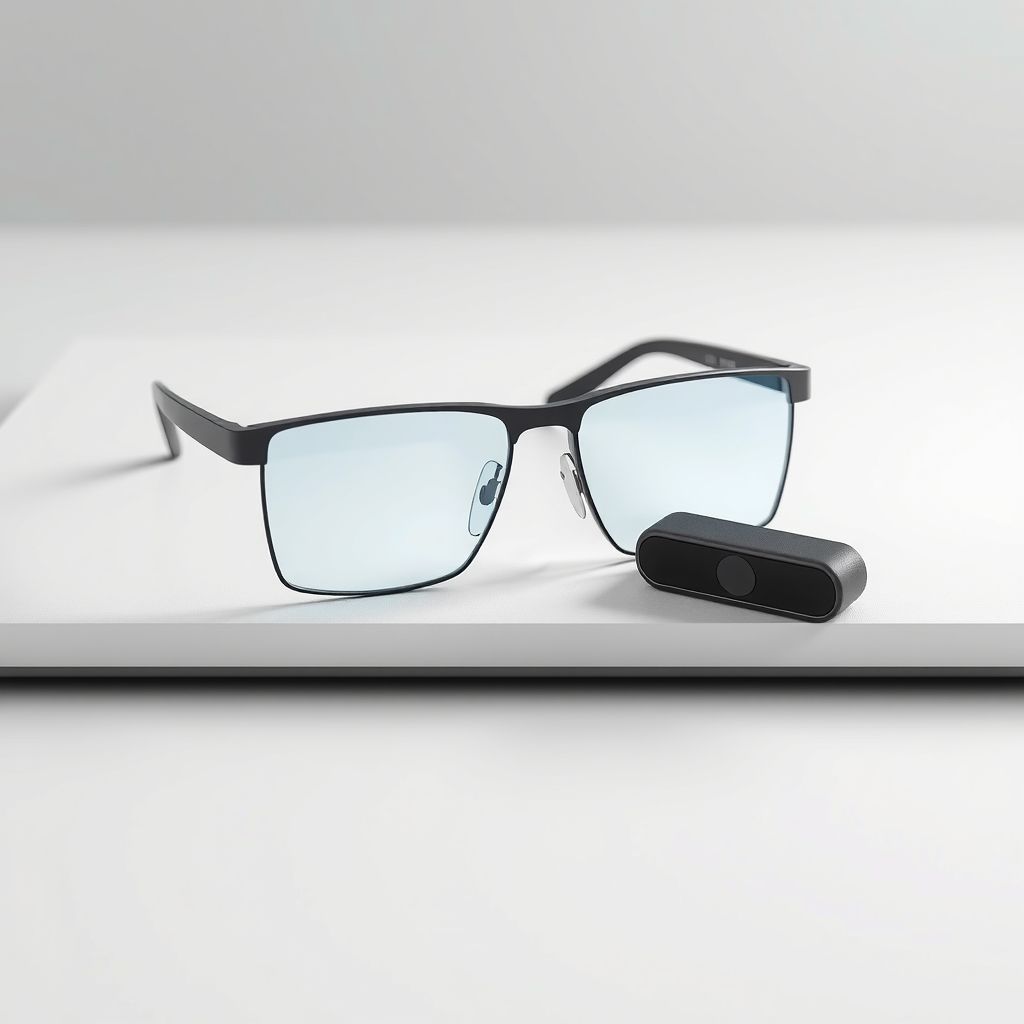
For fifteen years, the dominant strategy in personal tech hardware was to add a screen to everything. Watches got screens. Glasses got screens. Even refrigerators got screens. In 2026, the most interesting AI wearables are doing the opposite: they're removing the display entirely, betting that voice, audio cues, and ambient capture are a better interface for always-on AI than another rectangle of glass.
Rokid's AI Glasses Style, launched at CES 2026, makes the trade explicit. At 38.5 grams with a 210mAh battery delivering up to 12 hours of daily use, the glasses skip the micro-LED display found in Rokid's own higher-end AR line entirely. There's no heads-up overlay, no notification ticker. Instead, the glasses lean on a 4K camera, an open AI backend that plugs into ChatGPT, DeepSeek, or Qwen, and a companion charging case that adds 13 full recharges on the go. Fast charging gets the glasses to 80% in about 20 minutes. Pricing starts at $299 — roughly a third of what comparable AR glasses with built-in displays typically cost, because the most expensive component in the bill of materials simply isn't there.
The pattern repeats across the category. Bee, a $49 screenless clip-on wearable, runs on a battery rated for seven days and does one thing: it listens to your day and turns the audio into summaries, reminders, and searchable memory. SwitchBot's AI MindClip goes further on the hardware side — 16.8 grams, more than 20 hours of continuous recording, and 64GB of local storage, all without a single pixel to look at. Neither device asks you to glance at anything. The output arrives as a notification on your phone, a spoken answer in your ear, or a daily digest you read later.
Why this is happening now
Three things converged to make screen-free viable. First, on-device language models got small and fast enough to run real-time transcription and summarization locally, which removed the need for a screen to show you raw data — the device can now just tell you what matters. Second, battery chemistry and power management improved enough that continuous audio capture no longer destroys battery life in a day; MindClip's 20+ hour rating on a 16.8-gram device would have been implausible even two years ago. Third, and least discussed: screens are a liability for social acceptance. Camera-equipped glasses with visible displays read as surveillance gear to bystanders; screenless designs that look like ordinary eyewear or a lapel pin draw far less scrutiny, which matters enormously for a product category that lives or dies on whether people are comfortable wearing it in public.
That social dynamic is worth dwelling on, because it's the opposite of what device makers assumed five years ago. Google Glass failed partly because the screen and camera together signaled “this person might be recording you” in a way that made strangers uneasy. The 2026 generation of wearables solves half of that problem by removing the visual tell, even though the microphone and camera are frequently still there and still recording. That's a real privacy trade-off dressed up as a design choice, and it's one regulators in the EU and California have both flagged as a gap in current wearable-device disclosure rules — ambient-listening wearables don't have an obvious “recording” indicator the way a raised phone does.
What this means if you're buying one
If you're evaluating a screenless AI wearable, the specs that actually matter have shifted. Display resolution and refresh rate are irrelevant. What matters instead: on-device vs. cloud processing (on-device means your audio doesn't leave the hardware for routine transcription, which matters for anyone recording conversations with other people in it), local storage capacity (MindClip's 64GB vs. Bee's cloud-dependent model represents two fundamentally different privacy postures), and battery-life-to-weight ratio, since these devices are only useful if you forget you're wearing them.
The practical takeaway for 2026 hardware shoppers: don't evaluate AI wearables by the same display-and-camera checklist you'd use for a phone or smartwatch. Ask instead where the audio goes, how long it's retained, and whether the people around you have any way of knowing the device is listening. Those answers, not screen specs, are what will separate the wearables worth keeping from the ones that end up in a drawer by March.