Robotaxi Expansion Is Accelerating in 2026, But the Per-Mile Math Still Does Not Add Up
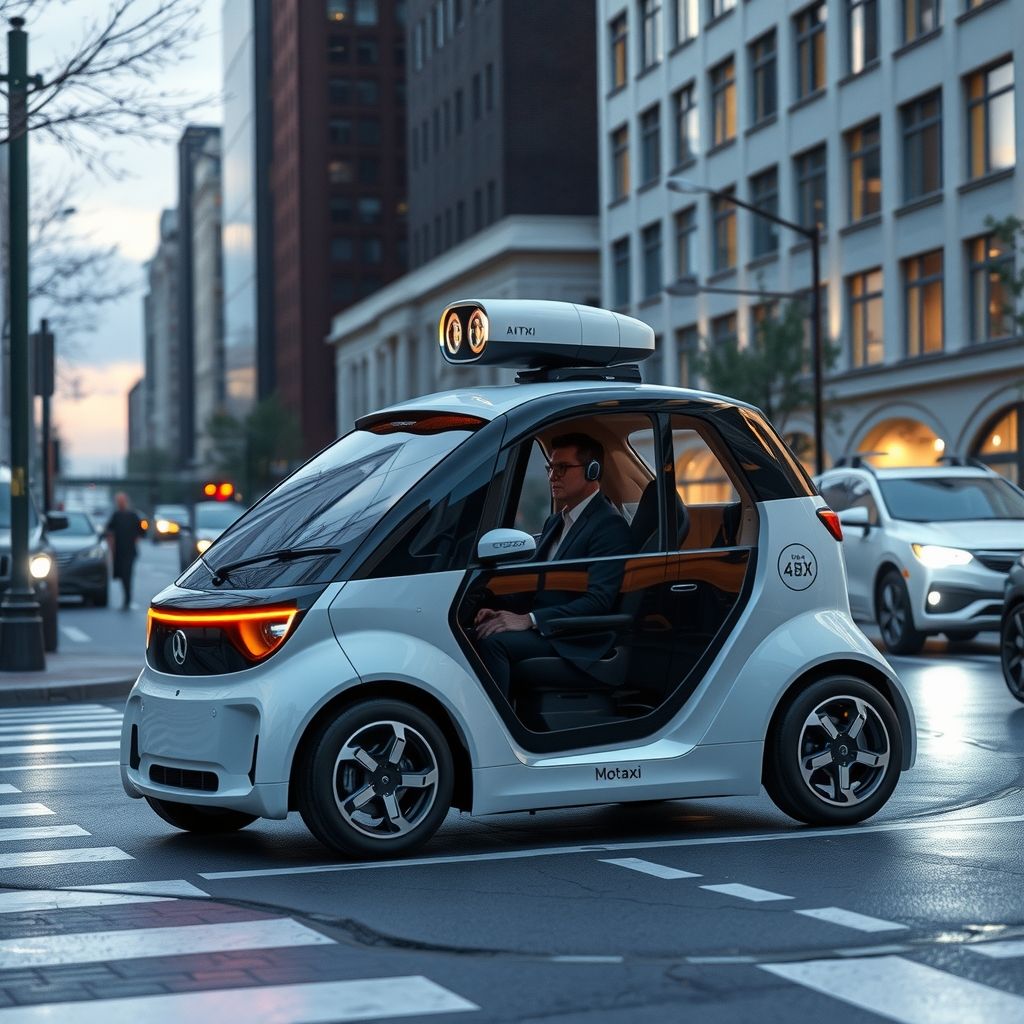
Robotaxi operators announced a wave of expansion in October 2026: Waymo widened its Toronto service, Uber rival inDrive partnered with Pony.ai and Nvidia for 2027 tests in Central Asia, and Tesla continued pushing its Cybercab program. But the underlying unit economics behind each mile driven still do not support profitability at the scale needed to justify the valuations attached to these programs.
What it actually costs to run a robotaxi, mile by mile
Alphabet does not break out Waymo's financials separately, but its Other Bets segment, which includes Waymo, reported roughly $7.5 billion in operating losses for fiscal 2025 against about $1.5 billion in revenue. Morgan Stanley's model puts Waymo's all-in cost per mile at roughly $1.98 in 2025, against pricing of $1.66 to $2.50 depending on the city, numbers that put some rides near breakeven on a gross basis but do not account for the billions in fixed research, development, and fleet-build costs sitting above that line.
The hardware generation gap
Deutsche Bank's analysis is more specific about where improvement is actually coming from: it projects Waymo's sixth-generation vehicle hardware will bring operating cost down to $0.99 to $1.08 per mile, a meaningful drop from the fifth-generation cost of $1.36 to $1.43. That is the number worth watching, not city-count headlines. The economics of robotaxi fleets are as much a hardware-generation story as a software one, since sensor cost, compute cost, and maintenance overhead all compress with each vehicle redesign.
Scale versus unit economics
Waymo has crossed 200 million fully autonomous miles and runs roughly 500,000 paid rides per week, real scale by any measure. But scale alone does not fix a cost structure; it just means losses compound faster if the per-mile math does not improve ahead of fleet growth. That is the trap in reading robotaxi expansion announcements at face value. inDrive's planned 2027 Central Asia tests and Tesla's current roughly 44-vehicle Cybercab fleet, pricing around $0.81 per mile according to available tracking data, are both pre-scale programs where the real cost structure has not yet been stress-tested.
Tesla's bet is the most aggressive, and the least proven
Tesla's public target for Cybercab is under $0.20 to $0.30 per mile at scale, which would undercut Waymo's best-case sixth-generation number by roughly four times. That target assumes a simpler, camera-only sensor stack and a manufacturing cost structure closer to a consumer vehicle than Waymo's sensor-heavy approach. It is an aspirational number from a company running a 44-vehicle pilot fleet, not a demonstrated result. The gap between Tesla's target and Waymo's actual multi-generation cost trajectory is the single biggest open question in the robotaxi market right now.
What to actually track instead of expansion headlines
Track cost per mile by hardware generation, not by city count. Deutsche Bank's fifth-to-sixth-generation Waymo comparison is a far better signal of progress than a new city launch.
Watch utilization, meaning rides per vehicle per day, alongside cost. A lower per-mile cost does not help if vehicles sit idle, which is why dense urban deployments outperform suburban ones economically.
Treat new-market pilot announcements, such as inDrive's 2027 Central Asia plan, as options on future scale rather than profitability signals. None of the current fleets at pilot stage have disclosed per-mile costs.
Compare any company's stated per-mile target against its actual current fleet size and sensor stack before taking the target at face value. Tesla's sub-$0.20 goal and its current 44-vehicle reality are two very different data points.
The real race is not who expands to the most cities fastest, it is who gets their hardware-generation cost curve down first. That is the metric that determines who can actually price rides profitably.