RISC-V's Real Foothold Isn't the Server Chip War — It's Microcontrollers
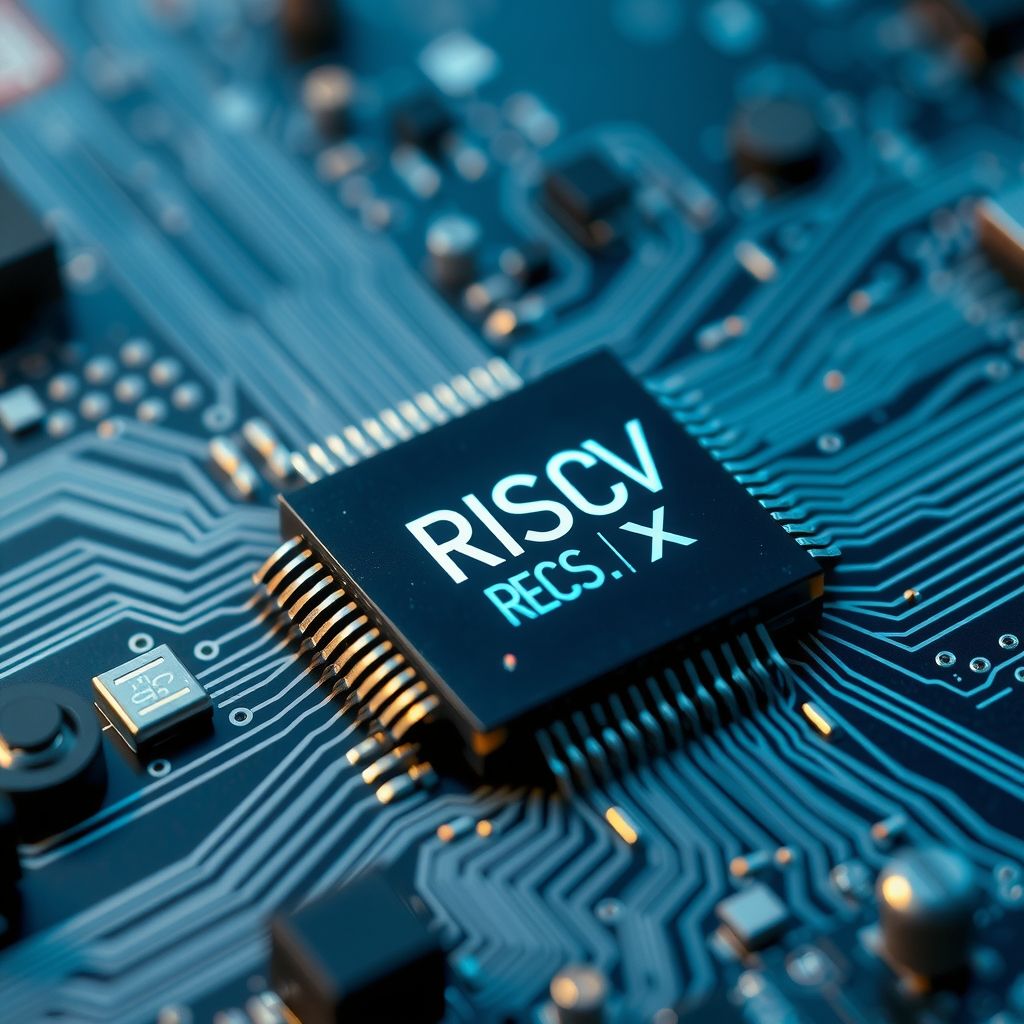
Coverage of RISC-V tends to frame it as a three-way fight with x86 and ARM for the server rack and the smartphone — a narrative that implies RISC-V's success depends on toppling Intel or Qualcomm's Snapdragon line in markets where ARM and x86 have decades of software ecosystem lock-in. That framing misses where RISC-V is actually winning design slots today: embedded microcontrollers, the small, cheap, low-power chips that don't run an operating system most consumers have heard of and don't need one.
Where the Real Design Wins Are Happening
In April 2026, Infineon announced a new automotive microcontroller family built on RISC-V cores — a notable move because automotive MCU design wins lock in a supplier relationship for the better part of a decade, given how long vehicle platforms stay in production. Infineon is one of the largest automotive semiconductor suppliers in the world, and its choice to build new silicon on RISC-V rather than extend its existing Arm-based TriCore and AURIX lines signals that RISC-V has cleared the reliability and tooling bar that automotive customers demand — a much higher bar than consumer electronics.
This fits a pattern that's been underway for years in the embedded world: Espressif's ESP32-C6, a dual-core RISC-V system-on-chip combining Wi-Fi 6, Bluetooth 5 LE, and 802.15.4 for IoT devices, has been a default choice for hobbyist and commercial IoT hardware since its debut. It's not a new chip, but it's the clearest existing proof that RISC-V microcontrollers can hit mainstream commercial volume without needing to beat ARM at ARM's own high-performance game — because for a sensor node or a smart-home device, the processor's job is simple, power-constrained, and doesn't depend on decades of legacy software.
The IP Licensing Numbers Tell the Same Story
On the IP licensing side — the business of designing a RISC-V core and licensing it to chipmakers, rather than making chips directly — SiFive held roughly 15.3% of the RISC-V processor IP market in 2025 according to Global Market Insights data, with the top five IP vendors together controlling just over half the market. That's a fragmented, competitive field, which is itself informative: a maturing architecture with real commercial demand attracts multiple viable IP vendors rather than consolidating around one. A market with a single dominant player usually means either a monopoly or a market too small to support competition. RISC-V's IP layer has neither problem.
The 25% Claim Needs a Caveat
Reports from Meta and Qualcomm's RISC-V initiatives have been cited as evidence that RISC-V has reached roughly 25% market penetration, a figure that circulated widely in January 2026 reporting. RISC-V International itself has not clarified whether that number describes all microprocessors everywhere or specifically the embedded and IoT segments where RISC-V already has traction — and the distinction matters enormously. Twenty-five percent of the global microprocessor market would be a genuinely historic shift. Twenty-five percent of the embedded microcontroller segment where RISC-V was already competitive is a much more modest, though still real, milestone. Until RISC-V International publishes the methodology, the honest reading is the narrower one.
Why This Matters More Than the Server Narrative
The server and smartphone fight gets the headlines because it's the more dramatic story — RISC-V unseating Intel or Qualcomm would be a seismic event in computing. But servers and phones are markets where the software ecosystem is the actual moat; an architecture change means recompiling or rewriting decades of toolchains, drivers, and optimized libraries, which is why ARM's server push itself took the better part of ten years even with Amazon, Google, and Microsoft all building their own silicon. Microcontrollers carry almost none of that baggage. Firmware for a sensor or an automotive subsystem is typically written and compiled fresh for each project, often in C, with a toolchain that already supports RISC-V as a first-class target through GCC and LLVM. There's no fifteen-year-old binary that only runs on x86 blocking the switch.
For hardware engineers actually making architecture decisions today, the practical takeaway is this: if you're specifying a low-power sensor node, an automotive subsystem controller, or an IoT device, RISC-V is now a mainstream option backed by production silicon from Espressif and soon Infineon, not a speculative bet. If you're specifying a server CPU or a flagship phone SoC, the ecosystem gap that's kept ARM and x86 dominant for decades is still largely intact. Watch the microcontroller design wins, not the server headlines, for where RISC-V's momentum is actually real.