Right to repair laws are quietly rewriting how gadgets get designed in 2026
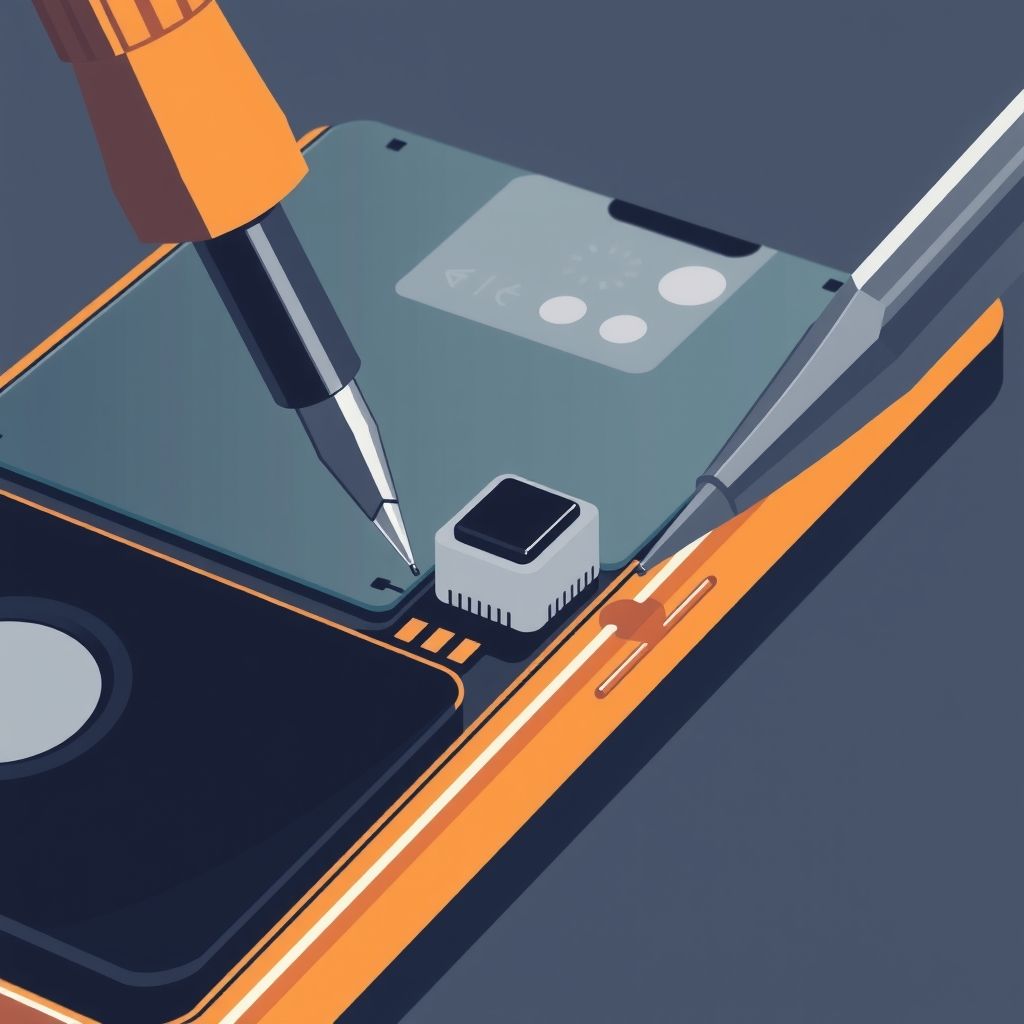
For a decade, right-to-repair was a campaign fought mostly in op-eds and FTC comment threads. In 2026 it became something manufacturers have to engineer around, not argue against. The EU's Right to Repair Directive, 2024/1799, became binding across the bloc on July 31 after the transposition deadline passed, and in the US, more than a quarter of Americans now live in a state with an enforceable right-to-repair law on the books — a share expected to climb past 35% by this fall as Connecticut's and Texas's laws take effect.
The headline provision is simple: manufacturers must offer repair on request, even outside the warranty period, unless repair is genuinely impossible, and pricing for that repair has to be reasonable and disclosed. The provision actually changing hardware design is narrower and more specific: parts pairing.
What parts pairing is, and why it was the real target
Parts pairing is the practice of cryptographically linking a replacement component — a battery, a screen, a camera module — to the specific device it's installed in, so the part only works at full function (or at all) if it's authorized through the manufacturer's software. A third-party or even a genuine take-from-another-device part gets flagged, throttled, or blocked. It's the mechanism that turned “you can buy the part” into “you can buy the part but the phone won't trust it,” and it's been the single biggest practical obstacle to independent repair shops for the past several years.
Oregon's SB 1596 was the first US law to go after it directly: starting in 2025, manufacturers operating in the state can't use parts pairing to block or degrade third-party repairs. Washington followed with a law effective January 1, 2026, requiring manufacturers to make diagnostic tools, parts, and documentation available to independent shops — not just authorized ones. Colorado's law, also effective January 1, 2026, prohibits misleading in-device alerts about non-OEM parts, closing off the workaround where a part works fine but the device nags the owner with a persistent “unverified part” warning designed to make them give up and go to an authorized shop instead.
The EU directive goes further on paper: reporting describes parts pairing and similar software locks as banned going forward unless they're strictly necessary for safety, which is a higher bar than “the manufacturer would prefer you didn't.” Enforcement mechanics are still being worked out at the member-state level, so treat that as the direction of travel rather than a settled fact everywhere yet.
How this changes what gets built, not just what gets sold
The reason this matters for gadget design and not just gadget policy is that parts pairing isn't a software feature bolted on after the hardware ships — it has to be designed in from the component level, which means removing it also has to happen at the design stage, not patched in later. A manufacturer building a 2027 device for an Oregon or Washington market can't ship the old pairing architecture and fix it with a software update; the serialization and authentication handshake between part and device either exists in the hardware/firmware from the start or it doesn't.
That's pushing manufacturers toward one of two paths. The first is building devices without pairing at all for parts where it isn't safety-relevant — batteries, screens, cameras, speakers — which is the simpler compliance path and the one most of the market is drifting toward for mainstream consumer electronics. The second is keeping pairing architecture but building in manufacturer-side infrastructure to authorize third-party parts on request, which is more technically involved and mostly shows up where there's a genuine safety case (battery cells, for instance, where a non-certified cell really can be a fire risk) rather than where pairing exists purely as a repair-shop deterrent.
Apple has publicly pushed back specifically on Oregon's parts-pairing provision, which tells you which path it would rather not take. The EU's warranty-extension clause — repairing a device under warranty now extends that warranty by a year — adds a second-order design pressure: a device that's expensive or awkward for the manufacturer's own authorized network to repair becomes more expensive for the manufacturer every time a customer chooses repair over replacement, which is a new incentive to make internal design serviceable, not just externally compliant.
What this means if you're buying or building
If you're a consumer in Oregon, Washington, Colorado, or the EU, the practical effect over the next 12-18 months is that independent repair should get cheaper and more reliable for anything that isn't a genuine safety component — batteries and screens especially, since those are the highest-volume repairs and the ones parts pairing targeted hardest. Check whether your state or country has a law in effect yet before assuming a repair shop will actually be able to use a non-OEM part without a fight; Connecticut and Texas don't land until fall 2026, and enforcement in newly-covered jurisdictions tends to lag the statute by months.
If you're on a product team shipping hardware into any of these markets, the design decision on parts pairing needs to happen at the component-sourcing stage, not the compliance-review stage. Retrofitting pairing removal into a design that assumed it would exist is far more expensive than not building the dependency in the first place — and the jurisdictions requiring its removal are no longer a small, easily-ignored minority of your addressable market.