Qi2.2 Power Banks and Docks Are Making Magnetic Charging More Useful
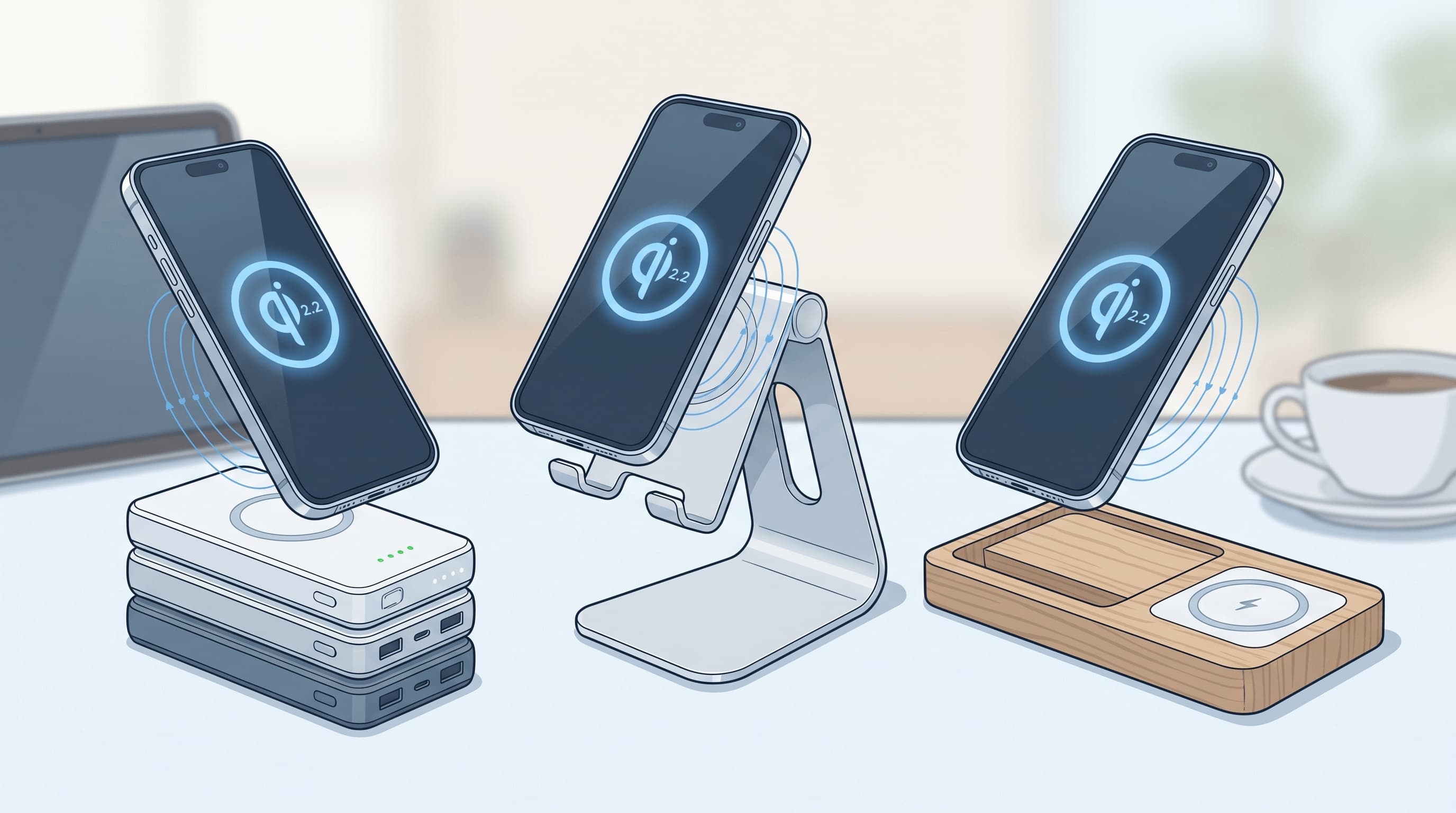
Wireless charging has long promised convenience, but its execution often fell short. The frustration of waking up to an uncharged phone because it wasn't perfectly aligned on the charging pad is a familiar one. Enter Qi2.2, the latest iteration of the Wireless Power Consortium (WPC) standard, which isn't just about pushing more watts. Its real value lies in the seamless integration of magnetic alignment and a commitment to cross-brand compatibility, fundamentally changing how we interact with our devices’ power needs.
This isn't merely an incremental speed bump; it’s a foundational shift in user experience. While higher power delivery is certainly part of Qi2.2's appeal—with Google notably contributing its higher-power wireless charging technology to the standard—the core thesis is that magnets and standardized alignment are the unsung heroes. They transform wireless charging from a finicky convenience into a reliable, intuitive, and truly useful feature, especially as a new wave of accessories like power banks and modular docks hit the market.
Beyond Faster Watts: The Magnetic Advantage
The introduction of magnets to the wireless charging equation, building on principles established by Apple's MagSafe, has solved one of the technology's most persistent headaches: alignment. With Qi2.2, devices snap into place with satisfying precision, ensuring optimal coil contact every time. This magnetic lock eliminates the guesswork and the dreaded "charging failed" notification, providing a consistent and reliable power transfer. Whether you're placing your phone on a nightstand dock or a car mount, the magnetic connection guarantees that charging begins immediately and continues uninterrupted.
This magnetic precision fundamentally changes the user experience. Instead of carefully positioning a device, users can simply bring their phone close to a compatible charger, and the magnets do the rest. This "set it and forget it" convenience extends to various scenarios, from quickly mounting a phone in a vehicle for navigation and charging simultaneously, to effortlessly attaching a portable battery pack on the go. The physical connection provided by magnets also allows for new form factors and usage paradigms that were previously impractical with traditional flat-pad wireless chargers.
A Unified Standard Emerges
The Wireless Power Consortium has been strategic in its rollout of Qi2, and subsequently Qi2.2. Messaging from CES 2025 highlighted the WPC's intent to expand Qi2 support across a wide array of Android devices, moving beyond the initial perception that magnetic wireless charging was an Apple-exclusive feature. Google's direct contributions to Qi v2.2, specifically concerning higher-power wireless charging, underscore a collective industry push towards a more robust and unified standard. This collaborative effort is critical for fostering a truly cross-brand accessory ecosystem.
For consumers, a unified standard means less fragmentation and more choice. No longer will users be locked into a single brand's proprietary magnetic system to enjoy the benefits of secure, aligned wireless charging. Accessory manufacturers can develop products with confidence, knowing they will be compatible with a growing number of devices from different manufacturers. This open standard approach is a significant win, promising a future where a single magnetic power bank or desk dock can serve multiple devices within a household, regardless of their brand.
The Accessory Ecosystem Takes Shape
The true impact of Qi2.2 becomes evident when looking at the accessory market. By 2026, companies like Belkin were already launching multiple Qi2.2 accessories, including innovative power banks and modular docking stations. These product lines demonstrate how accessory makers are leveraging the stable, open standard to create practical, user-centric solutions. The availability of such accessories is a clear indicator that the standard has matured sufficiently for widespread adoption and development.
Power Banks That Just Stick
Portable power banks have been revolutionized by magnetic Qi2.2. Gone are the days of fumbling with cables or trying to keep a phone perfectly still on a flat wireless power bank in your pocket or bag. Qi2.2 magnetic power banks simply snap onto the back of a compatible smartphone, providing a secure, continuous charge without interruption. This allows users to continue using their device unimpeded while it charges, whether they're scrolling through social media, taking photos, or making a call. It's a level of seamless integration that traditional wired or non-magnetic wireless power banks simply couldn't offer.
Versatile Docks and Stands
Deskside stands, nightstand docks, and car mounts are also experiencing a renaissance with Qi2.2. A magnetic desk stand can hold your phone at an ergonomic viewing angle while simultaneously charging it, perfect for video calls or glanceable notifications. Nightstand docks ensure your phone is always charged by morning, eliminating the need to search for a cable in the dark. In vehicles, magnetic car mounts provide secure phone placement for navigation and media, all while keeping the battery topped up—a critical feature for long drives. Many of these docks are designed to be modular, allowing users to add charging spots for smartwatches, earbuds, or other accessories, creating a cohesive and clutter-free charging hub.
Navigating the Current Landscape
While the promise of Qi2.2 is compelling, it's important to acknowledge the current realities. Not all Android phones natively support the magnetic ring required for the "snap-on" experience, even if they support Qi2.2 wireless charging. For many Android users, a compatible case with an integrated magnetic ring will still be necessary to fully utilize magnetic accessories like power banks and car mounts. This adds an extra step and cost, though the market for such cases is rapidly expanding.
Furthermore, branding can still be a source of confusion. Consumers might encounter devices or accessories labeled simply "Qi2," "Qi2.2," or even proprietary magnetic charging systems that predate or coexist with the WPC standard. While Qi2.2 is backward compatible with Qi2, and both offer the magnetic power profile, understanding the nuances requires a bit of research. Ecosystem maturity also varies significantly by brand; some manufacturers are more aggressively integrating Qi2.2 into their devices and promoting compatible accessories than others.
Actionable Takeaways for Users
The arrival of Qi2.2 marks a significant improvement in wireless charging, moving beyond mere speed to deliver genuine user convenience and reliability. Here's what you should consider:
- Prioritize Magnetic Alignment: When buying new wireless chargers or accessories, look for those explicitly stating Qi2 or Qi2.2 compatibility. The magnetic alignment is the key feature that enhances usability across docks, stands, and power banks.
- Consider a Magnetic Case: If you own an Android phone that doesn't natively feature a magnetic ring (like MagSafe), investing in a Qi2.2-compatible magnetic case will unlock the full potential of magnetic accessories. This small addition dramatically improves the experience with car mounts and portable battery packs.
- Embrace Versatile Accessories: Explore the growing range of Qi2.2 power banks and modular docks. They offer unparalleled convenience for charging on the go, at your desk, or by your bedside, reducing cable clutter and ensuring your devices are always ready.
- Expect Broader Adoption: The WPC's commitment and Google's contributions signal a strong future for Qi2.2. Expect more smartphones, tablets, and even smaller gadgets to integrate this standard, making your current Qi2.2 accessories even more valuable over time.