Passkeys: The Foundational Shift Towards a Phishing-Resistant Enterprise
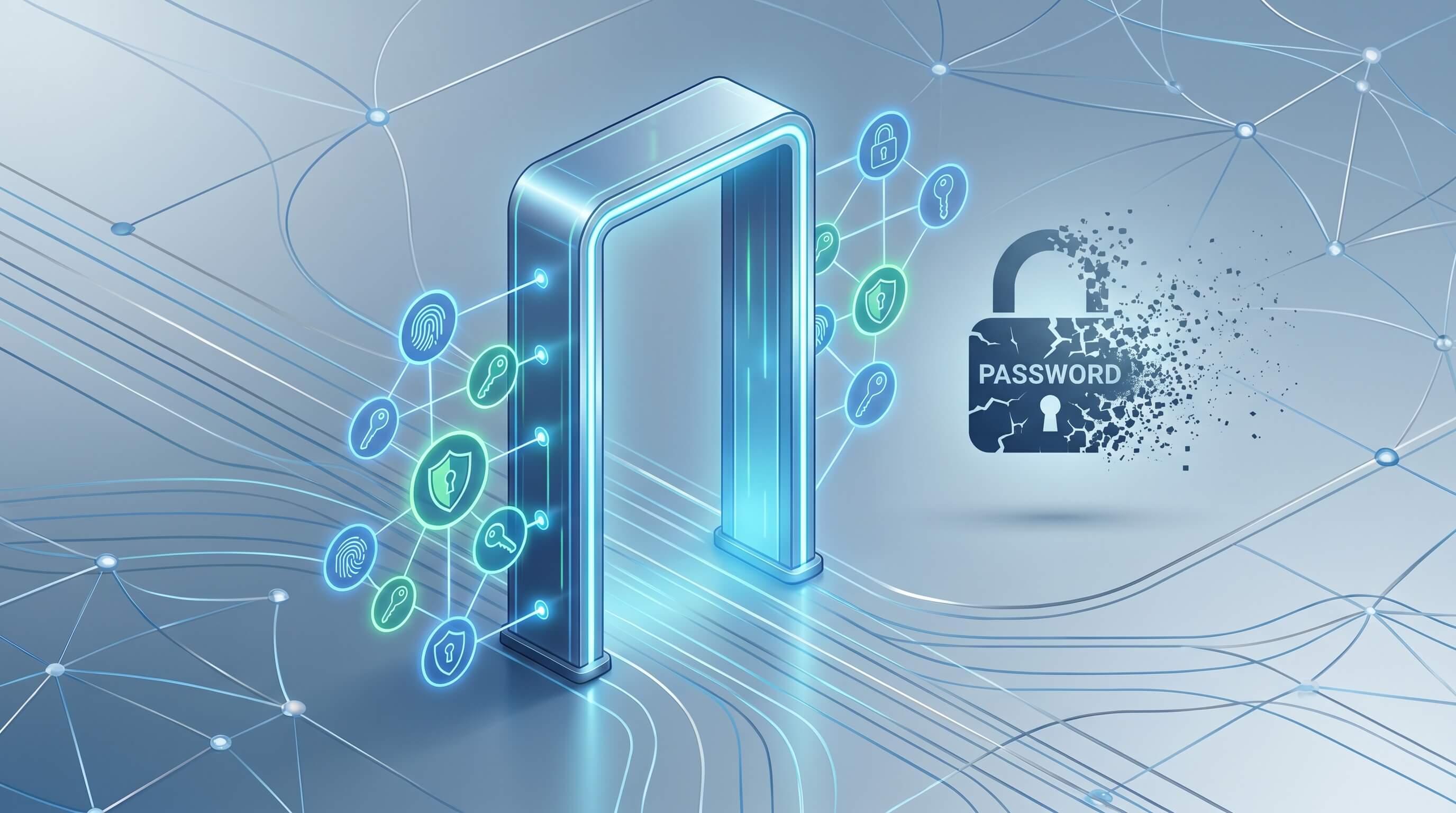
The landscape of enterprise security is undergoing a profound transformation, driven by the urgent need to move beyond the inherent vulnerabilities of traditional passwords. While often perceived as a consumer-centric convenience, passkeys are rapidly emerging as a foundational component of robust enterprise security infrastructure, promising a future where phishing attacks and credential stuffing become relics of the past. The FIDO Alliance Passkey Index 2025 underscores this paradigm shift, revealing that over 15 billion accounts globally now support passkeys. This widespread adoption is not merely a testament to technological advancement but a clear indicator of a strategic imperative for organizations to fortify their digital perimeters.
Indeed, the momentum is undeniable: a staggering 87% of surveyed companies in the US and UK have either already deployed or are actively deploying passkeys, highlighting their critical role in modern identity and access management strategies. This article delves into the architectural advantages of passkeys, exploring how their design principles, coupled with broad ecosystem support from industry giants like Microsoft Entra, Google, and Apple, are not just enhancing user experience but fundamentally redefining enterprise security, offering tangible benefits such as reduced sign-in support costs and significantly faster, more secure user authentications.
Understanding the Passkey Advantage: Inherent Phishing Resistance
At the core of passkeys' transformative power lies their inherent resistance to phishing. Unlike passwords, which are susceptible to interception and replay, passkeys leverage public-key cryptography, a robust security primitive. When a user creates a passkey, a unique cryptographic key pair is generated: a private key stored securely on the user's device (e.g., via Windows Hello, Apple Keychain, or Google Password Manager) and a corresponding public key registered with the online service. During authentication, the service challenges the device, which uses its private key to sign the challenge. This signature is then verified by the service using the stored public key.
This process is underpinned by the FIDO2 and WebAuthn standards, which dictate that the authentication ceremony is cryptographically bound to the origin (the specific website or application). This "origin binding" is crucial: a passkey generated for example.com cannot be tricked into authenticating to evil-phishing-site.com, even if the user is lured there. The private key never leaves the device, and no shared secret (like a password) is ever transmitted, making it virtually impossible for attackers to intercept credentials or replay them on a malicious site. This fundamental design eliminates the most common and effective attack vectors against traditional password-based systems.
Ecosystem Enablement: A United Front for Enterprise Security
The enterprise-grade viability of passkeys is significantly bolstered by pervasive ecosystem support. Major technology providers are not just adopting passkeys; they are actively integrating them into their core identity platforms, making them accessible and manageable for organizations of all sizes.
Microsoft Entra and Windows Integration
Microsoft's commitment to a passwordless future is evident in its rollout of phishing-resistant passkeys within Microsoft Entra (formerly Azure Active Directory). This integration is particularly impactful for enterprise environments, enabling organizations to deploy passkeys for their workforce across Windows devices. Crucially, Microsoft Entra supports passkeys via Windows Hello, extending this robust authentication method even to unmanaged devices. This means employees using personal Windows machines for work can still leverage phishing-resistant authentication without requiring full device enrollment, a significant advantage for BYOD (Bring Your Own Device) policies and contractor access.
Google and Apple: Cross-Platform Ubiquity
Beyond Microsoft, the unwavering support from Google and Apple is pivotal for cross-device and cross-platform adoption. Both tech giants have integrated passkey capabilities deeply into their respective operating systems and password managers (Google Password Manager, Apple Keychain). This ensures that users can create, store, and use passkeys seamlessly across their Android, iOS, macOS, and Chrome OS devices. This ubiquitous support dramatically simplifies the user experience, making passkeys a practical and user-friendly alternative to passwords, irrespective of the device or operating system an employee uses. The collective effort of these industry leaders creates a powerful, interoperable foundation for enterprise passkey deployment.
Deployment Models: Device-Bound vs. Synced Passkeys
Enterprises have critical choices to make regarding passkey deployment, primarily distinguishing between device-bound and synced passkeys.
- Device-bound Passkeys: These are stored exclusively on a single physical device and are not synchronized across others. They offer the highest level of security, as the private key never leaves the specific hardware (e.g., a hardware security key, or a TPM-protected Windows Hello credential). This model is ideal for highly sensitive accounts or roles requiring stringent security, where the loss of a single device doesn't compromise other access points. However, it introduces potential challenges for user convenience and recovery if the device is lost or damaged.
- Synced Passkeys: These are automatically synchronized across a user's devices through their cloud-based password manager (e.g., Apple Keychain, Google Password Manager). While still phishing-resistant, the private key is encrypted and replicated across devices, offering superior convenience and a more straightforward recovery path. For most enterprise users, synced passkeys strike an excellent balance between security and usability, significantly reducing friction compared to traditional passwords. The encryption ensures that even if the cloud service is breached, the passkeys remain protected.
The choice between these models often depends on the organization's risk profile, regulatory compliance requirements, and user experience goals. Many enterprises will likely adopt a hybrid approach, using device-bound passkeys for privileged accounts and synced passkeys for general workforce access.
Navigating Enterprise Implementation: Management and Recovery
Implementing passkeys at an enterprise scale requires careful consideration of several operational aspects beyond mere technical integration.
Robust Recovery Flows
One of the primary concerns for IT administrators is user recovery. What happens if an employee loses all their devices with synced passkeys, or their single device with a device-bound passkey? Enterprises must establish robust, secure recovery flows that do not reintroduce password vulnerabilities. This could involve multi-factor authentication (MFA) to a trusted recovery email or phone number, or even physical identity verification for high-security scenarios. Integration with existing identity proofing services or helpdesk procedures will be crucial to ensure business continuity without compromising the security benefits of passkeys.
Device Management and Lifecycle
Managing passkeys also intertwines with existing device management strategies. For device-bound passkeys, IT teams will need mechanisms to revoke access from lost or stolen corporate devices. For synced passkeys, while the cloud provider handles much of the synchronization, organizations still need to ensure that employee accounts are properly deprovisioned upon departure, revoking access to all associated passkeys. Integration with Mobile Device Management (MDM) or Unified Endpoint Management (UEM) solutions will be vital for a holistic approach to identity and device lifecycle management.
Conditional Access Integration
Passkeys are not just a replacement for passwords; they are a powerful signal that can enhance existing conditional access policies. By integrating passkey authentication with conditional access frameworks, enterprises can enforce more granular security policies. For instance, access to sensitive applications could require a device-bound passkey from a corporate-managed device, while less sensitive resources might permit a synced passkey from an unmanaged device, provided other conditions (like network location or device health) are met. This allows organizations to dynamically adjust access privileges based on the strength of the authentication method and the context of the access attempt.
Rollout Tradeoffs and Actionable Enterprise Takeaways
The transition to a passkey-centric authentication model involves strategic planning and consideration of tradeoffs. While the security benefits are immense, organizations must balance these with user experience and implementation complexity. Phased rollouts, starting with pilot groups or specific applications, can help refine processes and gather user feedback. Comprehensive user education is paramount to ensure smooth adoption and understanding of the new authentication paradigm.
The FIDO Alliance data further strengthens the business case: companies surveyed reported significant reductions in sign-in support costs and notably faster sign-ins. These operational efficiencies, coupled with a dramatically improved security posture, present a compelling argument for accelerated passkey adoption.
For enterprises looking to embrace this future, several actionable takeaways emerge:
- Develop a Strategic Roadmap: Plan a phased rollout, identifying critical applications and user groups for initial passkey deployment.
- Prioritize Identity Provider Integration: Leverage existing identity providers like Microsoft Entra, which offer native passkey support and management capabilities.
- Establish Robust Recovery Procedures: Design secure and user-friendly recovery flows that don't compromise the integrity of passkey security.
- Integrate with Device Management: Ensure passkey lifecycle management is aligned with your MDM/UEM strategies for corporate and BYOD devices.
- Educate Your Workforce: Provide clear, concise training and support to help users understand and adopt passkeys effectively.
- Leverage Conditional Access: Utilize passkeys as a strong authentication signal to enhance and refine your conditional access policies for granular security enforcement.
Passkeys represent more than just a new way to log in; they signify a fundamental architectural upgrade to enterprise identity and access management. By strategically integrating passkeys, organizations can move decisively towards a truly phishing-resistant future, securing their assets, empowering their workforce, and significantly reducing the operational overhead associated with traditional password management.