Passkeys Are Ready for the Mainstream, but Recovery Is Now the Hard Part
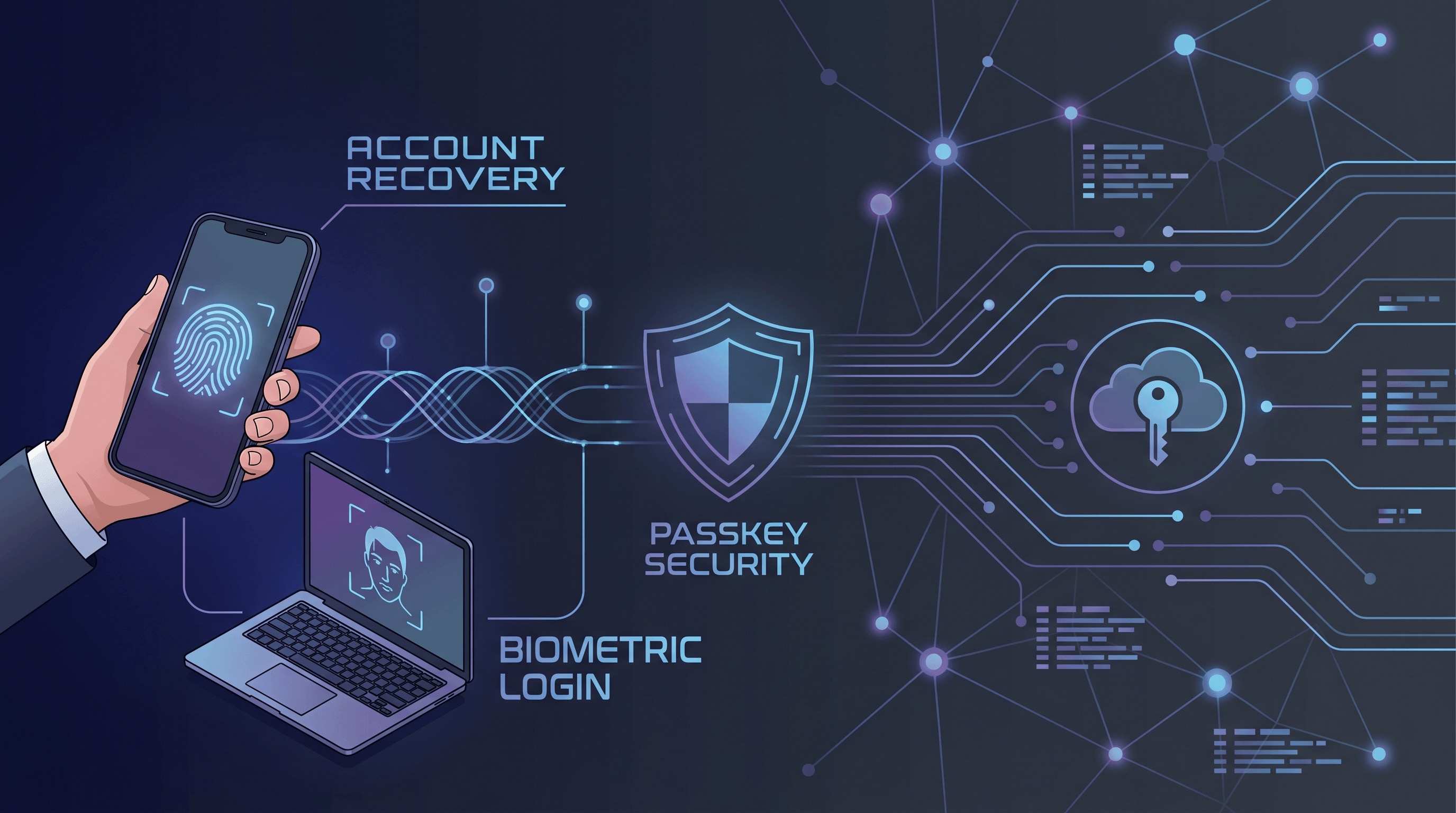
For a long time, passkeys felt like one of those security ideas everyone agreed was better in theory than in practice. Passwords were weak, phishing-resistant authentication was badly needed, and the FIDO ecosystem looked technically sound, yet adoption still felt uneven. That stage is ending. The core deployment question for 2026 is no longer whether passkeys are ready. It is whether products and enterprises can handle recovery well enough to let users depend on them.
That is a more important shift than it sounds. Security systems become mainstream only when they work under stress. Creating a passkey on a new iPhone or laptop is not the real test. The real test is what happens when the user loses a device, changes platforms, forgets which account they enrolled, or falls back to customer support in a moment of panic. Recovery is where strong authentication often becomes weak again.
Why passkeys finally have momentum
The baseline technology is much healthier than it was even two years ago. Platform support is broad. Browser support is broad. Major consumer services now offer passkeys, and enterprise identity teams have stronger vendor options for rolling them out inside existing stacks. FIDO has also done the hard standards work needed to make passkeys feel less like a niche add-on and more like a durable authentication model.
The appeal is obvious. Passkeys replace shared secrets with public key cryptography, which sharply reduces phishing risk, credential stuffing, and password reuse problems. They can also be faster and less frustrating for ordinary users when implemented cleanly. In security, that combination is rare. Better defense usually arrives wrapped in more friction. Passkeys promise the opposite, at least in the happy path.
The happy path is not enough
The problem is that authentication systems are judged by their edge cases. A login experience can be elegant 95 percent of the time and still create serious risk if the remaining 5 percent dumps users into weak fallback channels. That is exactly why recovery design now deserves more attention than passkey enrollment.
If a product says it is passwordless but lets anyone regain access through a flimsy email reset or a poorly protected SMS flow, it may simply have moved the attack surface rather than reduced it. The same is true for help-desk recovery scripts that can be socially engineered, or identity-proofing steps that are too weak for the value of the account being protected. Security teams cannot afford to celebrate passkey adoption while ignoring the quality of the escape hatch.
Recovery is a product-design problem as much as a security problem
What makes this hard is that recovery is not solved by one universal rule. A consumer shopping app, a business banking portal, and an internal enterprise dashboard do not need the same recovery model. The right design depends on account value, regulatory exposure, support capacity, and how likely users are to switch or lose devices.
That is why many identity teams are moving toward layered recovery instead of one fallback method. Synced passkeys help a lot because they reduce the number of true lockout events in the first place. Secondary devices matter. Recovery codes still matter in some contexts. Identifier-first flows are becoming more common because they let a service determine whether a passkey is available before forcing the user down a confusing path. Higher-risk environments may add document checks, liveness verification, or human review. None of those are elegant, but elegance is not the only goal.
The enterprise angle is especially tricky
Enterprise passkey adoption should keep growing because the economics are strong. Phishing-resistant authentication is becoming a more realistic baseline requirement. Password reset overhead is expensive. Compliance pressure keeps rising. But enterprise environments have one complication consumer apps do not: employees change devices, roles, and control domains constantly.
A company can standardize on passkeys and still face ugly recovery issues when a laptop is replaced, a contractor leaves, a phone is wiped, or a user enrolled a credential on a device the company no longer manages. That means enterprise rollout plans need lifecycle thinking from day one. Device replacement, admin recovery, break-glass access, and deprovisioning have to be designed together. Otherwise the organization ends up solving every exception with insecure improvisation.
Why this is still good news for security
None of this should be read as a reason to slow down passkey deployment. It is the opposite. The fact that the conversation has moved from cryptographic validity to operational recovery is a sign of maturity. Passwords trained the industry to accept bad security in the name of convenience. Passkeys create a chance to rebuild that compromise on better foundations.
But that only works if teams resist the temptation to bolt passkeys onto an old identity model without revisiting the surrounding workflow. Recovery, support, device portability, and enrollment quality all need first-class design. Security improvements fail surprisingly often not because the core technology is weak, but because the surrounding product decisions quietly reintroduce the original problem.
What teams should do now
The practical next step is straightforward. Audit the entire sign-in lifecycle, not just the main login screen. Measure how users recover access. Test support flows against social engineering scenarios. Distinguish low-value from high-value accounts. Decide whether synced passkeys, recovery codes, trusted-device reauthentication, or stronger identity checks fit each risk tier. Then remove fallback paths that exist only because they are familiar.
That last step is uncomfortable, but necessary. Every authentication system eventually reveals what it really trusts. Password-era systems said they trusted possession of an email inbox or a phone number. Modern systems need to do better than that.
Passkeys are finally close to being ordinary, and that is a genuine security milestone. The next milestone is making sure the path back into an account is worthy of the front door. That is where the mainstream battle now sits.