Passkeys are finally moving from security feature to sign-in default
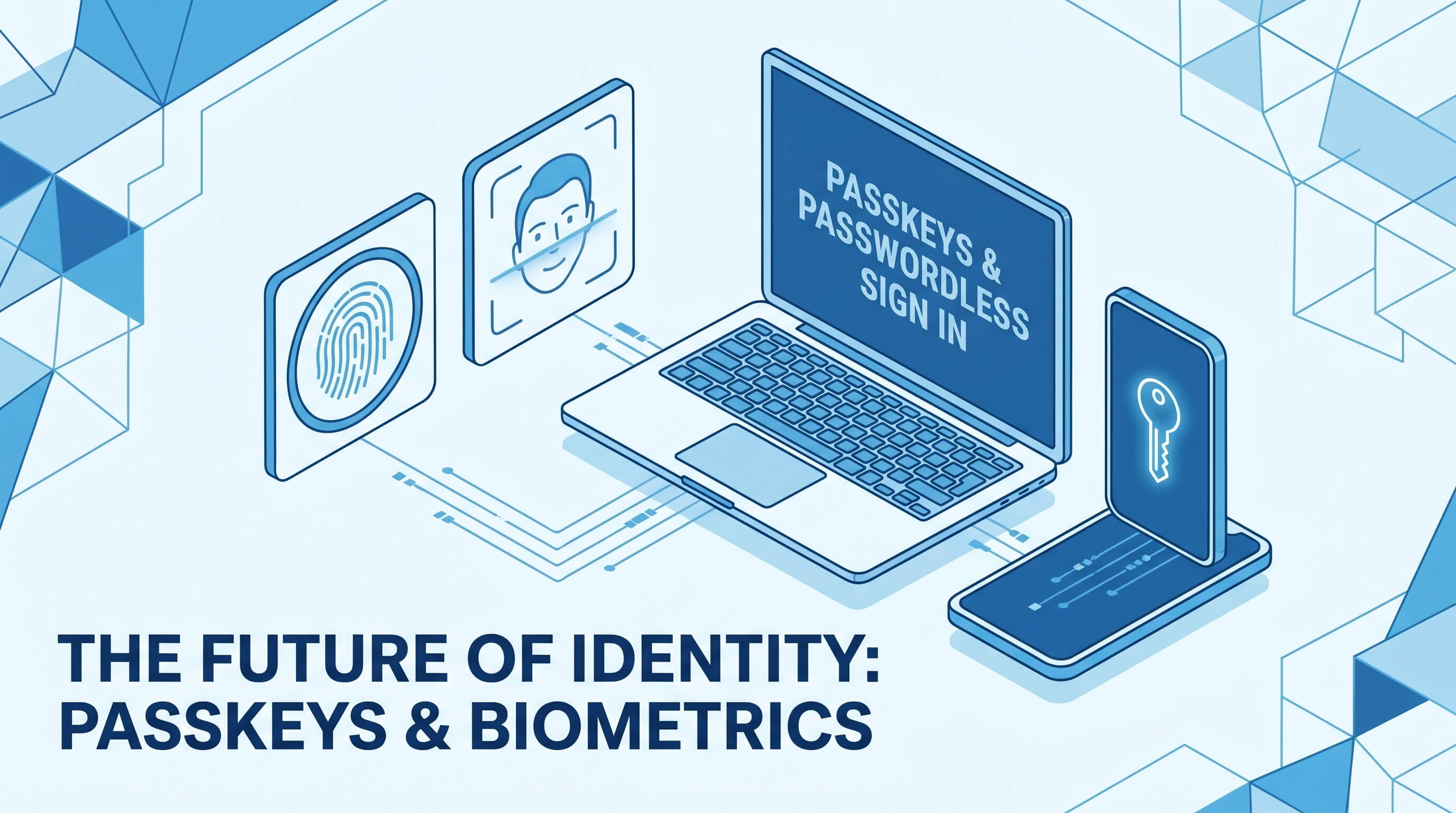
For years, the passwordless future felt like one of those technology promises that was always technically possible and rarely operationally real. The standards existed. Platform vendors endorsed them. Security teams liked the idea. Users, however, still lived in the familiar swamp of passwords, SMS codes, password-reset emails, and two-factor prompts that worked just well enough to remain annoying for another decade.
That is starting to change. Passkeys are finally moving from a security feature that companies announce in blog posts to a sign-in method that is becoming normal in live products. The important shift is not just that Apple, Google, and Microsoft support passkeys. It is that the business case is getting harder to ignore. FIDO Alliance data released with its Passkey Index points to concrete operational gains: companies in the index reported 93 percent account eligibility, 36 percent enrolled accounts, 26 percent of sign-ins already using passkeys, a 73 percent reduction in sign-in time, and an 81 percent drop in login-related help desk incidents.
Why passkeys matter now
The security argument has been clear for a while. Passkeys replace shared secrets with public-key cryptography, which means there is no reusable password sitting around to be phished, stuffed, or leaked in the same old ways. That alone makes them a major upgrade. But security improvements alone do not usually change internet behavior at scale. The real reason passkeys are gaining traction is that they also reduce friction.
This matters because authentication is one of the few parts of software where bad user experience translates directly into measurable business loss. Every failed sign-in can become a support ticket, a checkout abandonment, a lost subscription renewal, or an unfinished application flow. Traditional multifactor methods improved security at the cost of convenience. Passkeys have a chance to improve both at once, which is why more product and revenue teams now care about them, not just CISOs.
The platform giants have finally aligned
Apple helped normalize the experience by integrating passkeys into iCloud Keychain and making biometric confirmation feel natural on the iPhone and Mac. Google pushed them into consumer awareness through Android, Chrome, and Google accounts, then extended the concept further into Workspace and cloud environments. Microsoft has spent the past several years pushing passwordless strategies in Windows and Entra, and its enterprise posture matters because large organizations want sign-in standards that span both consumer services and workforce identity.
The key point is that passkeys are no longer trapped in one vendor ecosystem. That portability does not make deployment effortless, but it removes the old excuse that passwordless identity is still too fragmented to matter. The FIDO ecosystem has finally become broad enough that internet platforms can treat passkeys as a mainstream option rather than an early-adopter perk.
Why many deployments still feel partial
Even now, many companies present passkeys as an optional convenience instead of a primary path. That hesitation is understandable. Authentication flows are full of edge cases: shared family devices, account recovery, cross-device sign-in, support for older browsers, regional device mix, and enterprise-managed hardware. A clean demo is easy. A globally resilient recovery and enrollment flow is not.
This is where many implementations still go wrong. Product teams tend to think of passkeys as a button on a login screen. In reality, passkeys are an enrollment and recovery design problem. If users are nudged into setting one up at the wrong moment, adoption stalls. If recovery is weak, support load returns through a different door. If portability between personal and managed ecosystems feels unpredictable, users fall back to passwords and never come back.
The better implementations are contextual. They ask for a passkey at a moment when the user clearly sees the benefit, usually after a successful login or at a point of repeated account use. They also explain the trade clearly: faster sign-in later, fewer verification interruptions, better protection against phishing now.
What this means for internet services
For consumer internet services, passkeys are becoming part of the competition for account quality. A company that can make sign-in almost invisible while also reducing fraud is buying more than convenience. It is buying trust and throughput. That matters especially in commerce, finance, travel, and communications, where authentication pain hits directly at conversion and retention.
For enterprise internet services, the story is slightly different. Passkeys fit into a broader move toward phishing-resistant identity. The appeal is not just fewer passwords, but a stronger baseline for privileged access, workforce login, and hybrid consumer-enterprise account systems. The internet has spent too long layering anti-phishing controls on top of a fundamentally weak secret. Passkeys offer a path away from that stack of compromises.
Why passwords will linger longer than the headlines suggest
None of this means passwords disappear overnight. Legacy apps, low-engagement accounts, shared devices, workforce transitions, and uneven platform support will keep them alive for years. There will also be organizational resistance. Passwords are familiar, and many businesses are still better at patching old workflows than redesigning account architecture.
But the center of gravity is changing. Once major platforms prove that passkeys lower sign-in friction and help desk volume at the same time, the burden shifts. The question is no longer whether passkeys are ready. It is whether companies can justify staying on weaker, clumsier login systems when a more practical alternative is available.
What readers should do with this shift
If you build consumer products, treat passkeys as a product decision, not a compliance checkbox. Measure conversion, support incidents, account recovery success, and repeated login behavior after rollout. If you run enterprise identity, separate the high-risk populations first and make phishing-resistant credentials your default there. If you are a user, expect passkeys to show up in more places and treat that as progress rather than another tech fad.
The internet does not often get simpler. Authentication especially has a talent for becoming more layered, more hostile, and more confusing over time. Passkeys matter because they offer something rare: a security improvement that can also make the networked world less irritating to use. That is why they are starting to feel less like a feature and more like the future default.