OTC hearing aids quietly became an AI product category
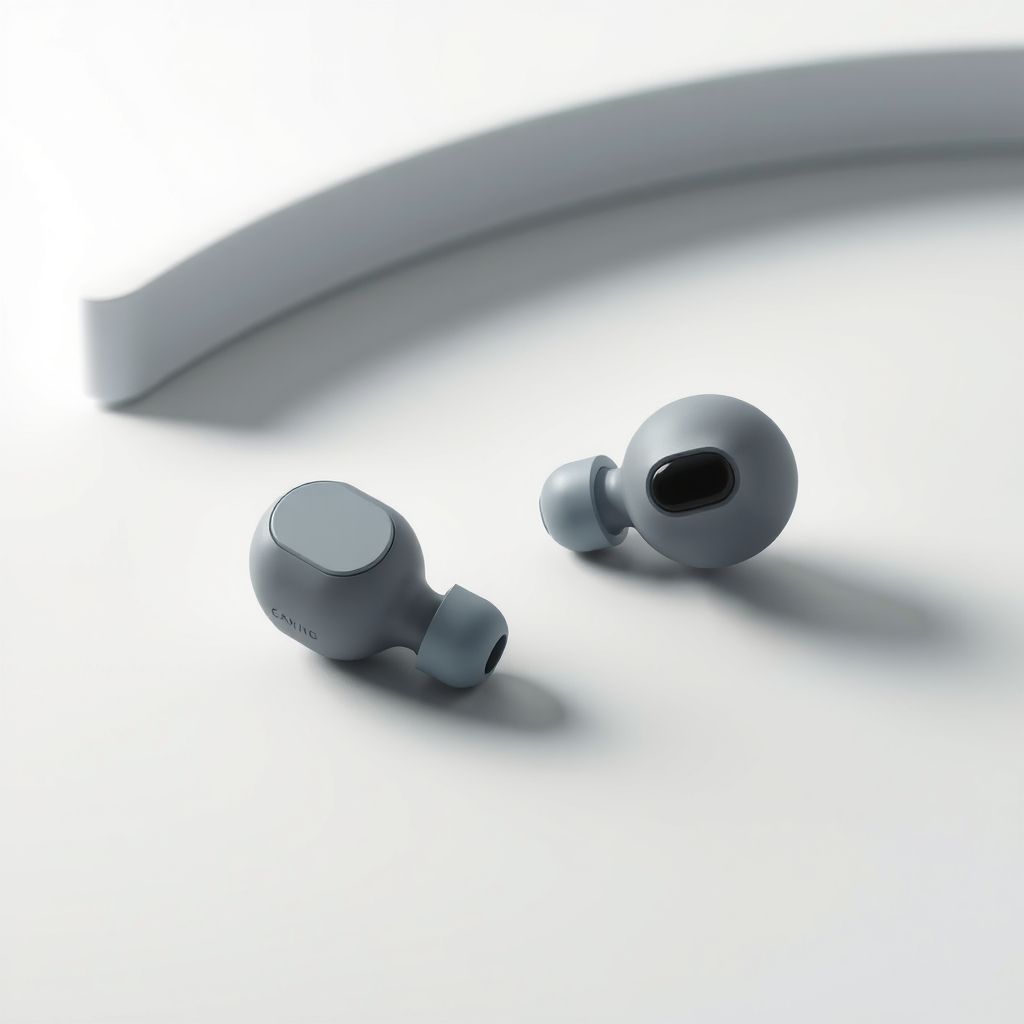
Hearing aids used to mean a visit to an audiologist, a four-figure bill, and a device that amplified everything indiscriminately — voices, traffic, the hum of a refrigerator — with little discrimination between them. That model is breaking apart. The FDA's 2022 rule allowing over-the-counter hearing aids for adults with mild-to-moderate hearing loss opened the door, but it's AI sound processing, not the regulatory change itself, that has turned OTC hearing aids into a genuinely different product category from what came before.
The AirPods Pro 2 precedent
The clearest signal came when the FDA authorized Apple's Hearing Aid Feature for AirPods Pro 2 as an OTC device. The clinical study behind that authorization tested 118 subjects with perceived mild-to-moderate hearing loss across multiple U.S. sites, comparing a self-fitting approach against professional audiologist fitting of the same hardware. The self-fitted group achieved comparable benefit — similar amplification levels in the ear canal, similar speech-in-noise understanding — without ever seeing a hearing professional.
That result matters beyond Apple's product line. It's evidence that AI-driven self-fitting, calibrated from an iPhone using data pulled from Apple HealthKit, can match what used to require a trained clinician with specialized equipment. The Hearing Aid Feature reads a user's hearing profile and continuously adjusts volume, tone, and balance — the kind of personalization that used to be a one-time manual audiologist calibration is now an ongoing algorithmic process.
A new generation of AI-native hearing aid brands
Apple isn't alone. A wave of direct-to-consumer hearing aid brands has built products from scratch around the OTC model rather than retrofitting legacy hardware. These devices apply real AI sound processing — distinguishing speech from background noise, adapting to different acoustic environments in real time — rather than simple amplification. Pricing starts around $299, a fraction of the $2,000-$6,000 that prescription hearing aids have historically cost.
The difference between these AI-native devices and older amplification-only hearing aids isn't subtle. Amplification-only devices turn up volume across the board, which is why older hearing aids had a reputation for making everything louder and clearer sound worse in noisy rooms. AI processing instead tries to identify what's speech and what's noise, and treats them differently — the same category of processing that powers noise cancellation in premium earbuds, repurposed for correction rather than cancellation.
Why this is a bigger deal than another wearable category
Hearing loss is common and radically undertreated. The gap between people who could benefit from hearing correction and people who actually use hearing aids has persisted for decades, driven primarily by cost, stigma, and the friction of a clinical fitting process. AI-driven self-fitting attacks two of those three barriers directly: it removes the audiologist visit, and by removing that visit it removes most of the cost that visit represented.
Stigma is a harder problem, but it's being solved incidentally. When a hearing aid looks and behaves like a pair of AirPods rather than a beige medical device, the social signal changes. Nobody assumes a stranger wearing earbuds has a hearing impairment — which for many users is precisely the point. That convergence between consumer audio and medical-grade correction is why hearing aids are increasingly discussed alongside smart rings and health-tracking wearables rather than in a separate medical devices category.
What buyers should actually look for
Not every OTC hearing aid marketed with "AI" branding delivers genuine adaptive processing — some are still amplification-only devices with an app layered on top. The FDA authorization category is a useful filter: devices cleared under the FDA's OTC hearing aid rule have to meet minimum performance standards for people with mild-to-moderate hearing loss, which excludes both toy-grade amplifiers and devices making unsubstantiated claims.
For anyone with more than mild-to-moderate loss, or anyone under 18, OTC devices are explicitly not designed for you — a professional audiology evaluation is still the right first step. But for the large population with age-related or noise-induced mild hearing loss who have avoided treatment because of cost or inconvenience, 2026's AI-native OTC hearing aids are a meaningfully lower-friction option than what existed even two years ago. The technology finally caught up to the regulatory opening — and that combination is what actually moves adoption numbers, not the rule change alone.