LPCAMM2 Brings Upgradeable Memory Back to Thin Laptops
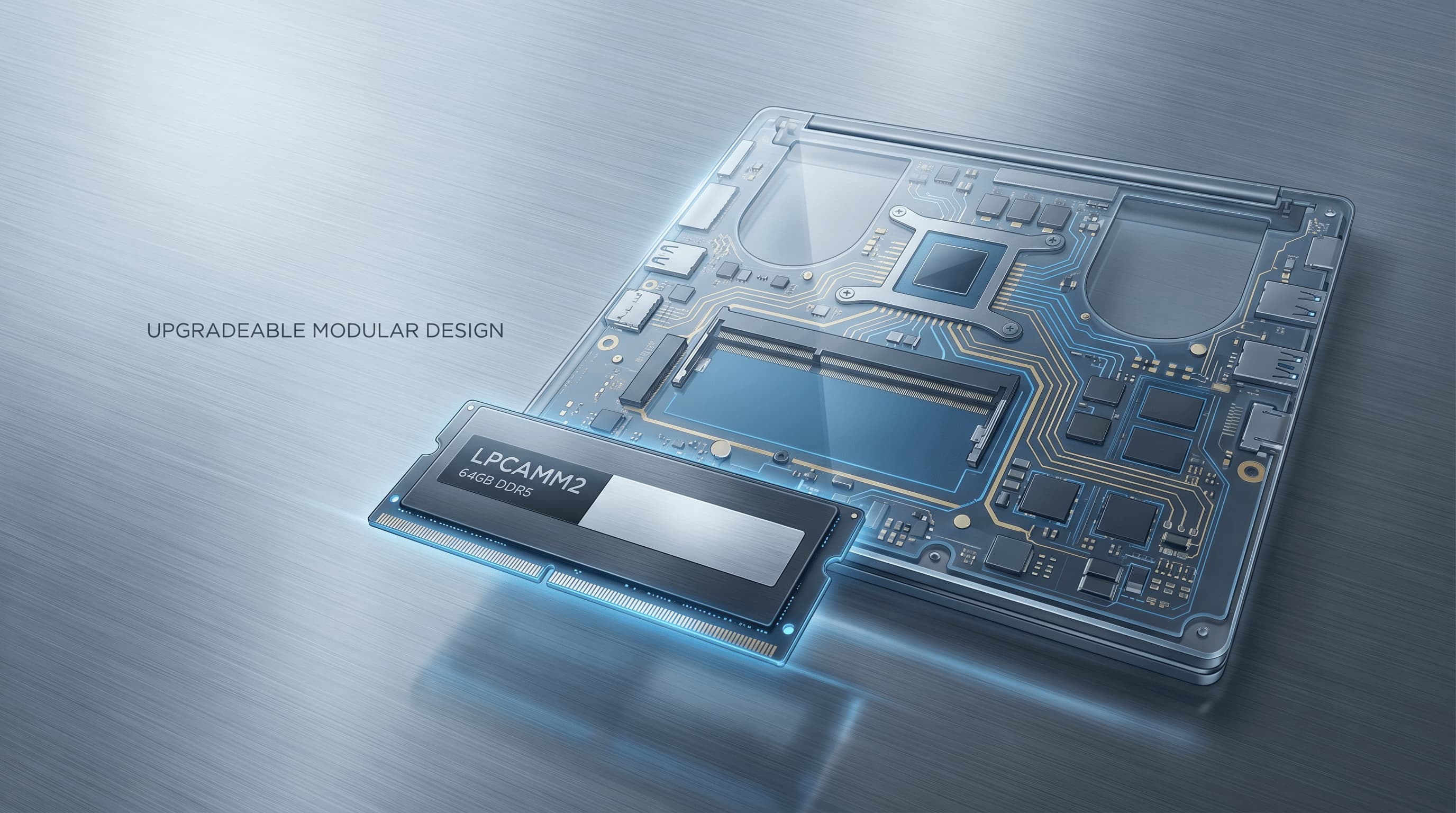
For years, consumers have faced a frustrating dilemma when choosing thin and light laptops: sacrifice the ability to upgrade or repair your RAM, or opt for a bulkier machine. This false choice, driven by the widespread adoption of soldered memory, is finally being challenged by a promising new standard: LPCAMM2. This innovative memory module promises to bring upgradeable, high-performance LPDDR5X memory back to the sleekest laptops, fundamentally altering the economics of laptop design and empowering users with greater longevity and choice.
LPCAMM2 isn't just another incremental update; it represents a significant shift in how memory can be integrated into modern portable computers. By combining the power efficiency and performance of LPDDR5X with a modular, user-replaceable form factor, LPCAMM2 directly addresses the core tension between ultra-thin designs and user serviceability. This development is poised to reshape expectations for laptop durability, upgrade paths, and environmental impact, offering a practical solution to a long-standing industry pain point.
The Era of Soldered Memory and Its Discontents
To understand why LPCAMM2 matters so much, we first need to revisit the rise of soldered memory in laptops. Over the past decade, as manufacturers chased ever-thinner designs and longer battery life, soldering RAM directly onto the motherboard became the norm for many ultraportables. This approach offered several perceived advantages for OEMs: it allowed for thinner chassis designs by eliminating the need for bulky SODIMM slots, improved signal integrity for higher memory speeds, and potentially reduced manufacturing costs by simplifying assembly lines and reducing component count.
Why Manufacturers Embraced Soldered RAM
From an engineering perspective, soldering RAM offered tighter control over the electrical path between the CPU and memory, which is crucial for achieving the high clock speeds and low latencies demanded by modern processors. It also allowed designers to reclaim precious internal space, leading to the sleek, minimalist aesthetics that dominate the premium laptop market. Furthermore, by integrating memory directly, manufacturers could often source LPDDR (Low Power Double Data Rate) memory chips, which are more power-efficient than their desktop-oriented DDR counterparts, contributing to extended battery life – a key selling point for portable devices.
The User's Perspective: A Raw Deal
While advantageous for manufacturers, soldered memory quickly became a major point of contention for consumers, repair advocates, and businesses alike. The inability to upgrade RAM after purchase meant users were locked into their initial configuration, often forcing them to over-spec their machines or face premature obsolescence. If a user's needs grew, or if they simply wanted to extend the life of their laptop, their only option was often to buy an entirely new device. This not only created unnecessary electronic waste but also limited consumer choice and drove up long-term ownership costs.
Beyond upgrades, repairability suffered immensely. A faulty RAM chip, which might have been a simple module swap in an older laptop, often necessitated an entire motherboard replacement in a soldered system – an expensive and often uneconomical repair. This contributed to a "throwaway" culture, directly opposing the growing demand for sustainable technology and the right-to-repair movement.
LPCAMM2: A New Hope for Modular Laptops
Enter LPCAMM2 (Low Power Compression Attached Memory Module 2), a new memory standard ratified by JEDEC, the global leader in developing open standards for the microelectronics industry. This standardization is critical because it moves CAMM2 technology from a proprietary solution (initially developed by Dell) to an industry-wide specification, paving the way for broad adoption across different laptop brands and component suppliers.
Micron's Role and the Technical Advantages
Micron, a leading memory manufacturer, has been at the forefront of championing LPCAMM2, highlighting its ability to combine the best of both worlds: the power efficiency and performance of LPDDR5X with the modularity of traditional SODIMM. LPCAMM2 modules are significantly smaller than SODIMMs, using a compression connector that allows them to lie flat against the motherboard. This design reduces the overall footprint by up to 64% and offers power savings of up to 61% compared to SODIMM-based DDR5 systems, while still delivering the high bandwidth of LPDDR5X.
The key innovation lies in the module's ability to be easily installed and removed, much like a CPU or an M.2 SSD. This means that instead of being permanently fixed, the LPDDR5X memory can be upgraded or replaced by the end-user or a service technician. For example, a laptop purchased with 16GB of LPDDR5X could later be upgraded to 32GB or even 64GB, significantly extending its usable lifespan and adaptability to future software demands.
Reshaping Laptop Design Economics and User Empowerment
The implications of widespread LPCAMM2 adoption are far-reaching. For laptop manufacturers, it offers a crucial design flexibility. They can continue to build thin and light machines without sacrificing the upgradeability that many users demand. This could simplify their inventory management, as they might only need to stock motherboards with a CAMM2 slot, rather than multiple SKUs for different soldered memory configurations. It also provides a compelling answer to the growing pressure from consumers and regulators regarding repairability and e-waste.
For consumers, LPCAMM2 is a clear win. It empowers them to make more informed purchasing decisions, knowing that their investment can be future-proofed to a greater extent. The ability to upgrade RAM means better long-term value, reduced total cost of ownership, and the freedom to extend the life of a perfectly functional laptop simply by swapping out a memory module. This aligns perfectly with the right-to-repair movement, giving users greater control over their devices.
The Road Ahead: Challenges and Adoption
While the promise of LPCAMM2 is significant, its widespread adoption won't happen overnight. Several factors will influence its integration into the mainstream laptop market:
Initial Costs and Manufacturing Complexity
Implementing a new standard often comes with initial costs. Manufacturers will need to retool production lines, and the LPCAMM2 modules themselves might initially be more expensive than soldered LPDDR5X chips due to lower production volumes and the added complexity of the module and connector. This could translate to slightly higher laptop prices in the short term, though economies of scale should eventually mitigate this.
Board Design and Availability
Integrating the LPCAMM2 slot requires specific board design considerations. While it saves space compared to SODIMMs, it still requires more physical space and engineering effort than simply soldering chips directly. Furthermore, the availability of a wide range of LPCAMM2 modules from various memory vendors will be crucial for competitive pricing and consumer choice. Until several manufacturers produce these modules, options might be limited.
OEM Adoption Curve
Not every thin laptop will adopt LPCAMM2 immediately. OEMs often move cautiously with new standards, especially if their existing soldered solutions are cost-effective and meet current market demands for thinness. It will likely start with premium business laptops and high-end consumer models before trickling down to more budget-friendly segments. Dell, having pioneered the original CAMM standard, is a natural early adopter, but others will follow as the JEDEC standard gains traction and consumer demand for upgradeable, thin laptops grows.
Actionable Takeaways for Buyers and Enthusiasts
For those tracking laptop design or planning a new purchase, LPCAMM2 is a standard worth paying close attention to:
- Prioritize Longevity: If you value the ability to extend your laptop's life or adapt it to future needs, actively seek out models that specify LPCAMM2 memory. This will allow you to upgrade your RAM down the line, saving money and reducing e-waste.
- Check Specifications Carefully: Don't assume all "thin and light" laptops are created equal. Always verify if the memory is soldered or if it uses a modular standard like LPCAMM2. Retailers and manufacturers should clearly state this in product descriptions.
- Support Early Adopters: By choosing laptops with LPCAMM2, you send a clear message to manufacturers that upgradeability and repairability are important features, encouraging broader industry adoption.
- Monitor Module Availability: Keep an eye on memory manufacturers like Micron for LPCAMM2 module releases. As more options become available, competitive pricing will improve.
LPCAMM2 represents a significant step forward, offering a practical path to reconcile the desire for sleek, powerful laptops with the fundamental need for user control and sustainable technology. It's a win for consumers, a smart move for the industry, and a welcome return to a more flexible future for portable computing.