Earbuds Are Becoming Everyday Hearing Tech
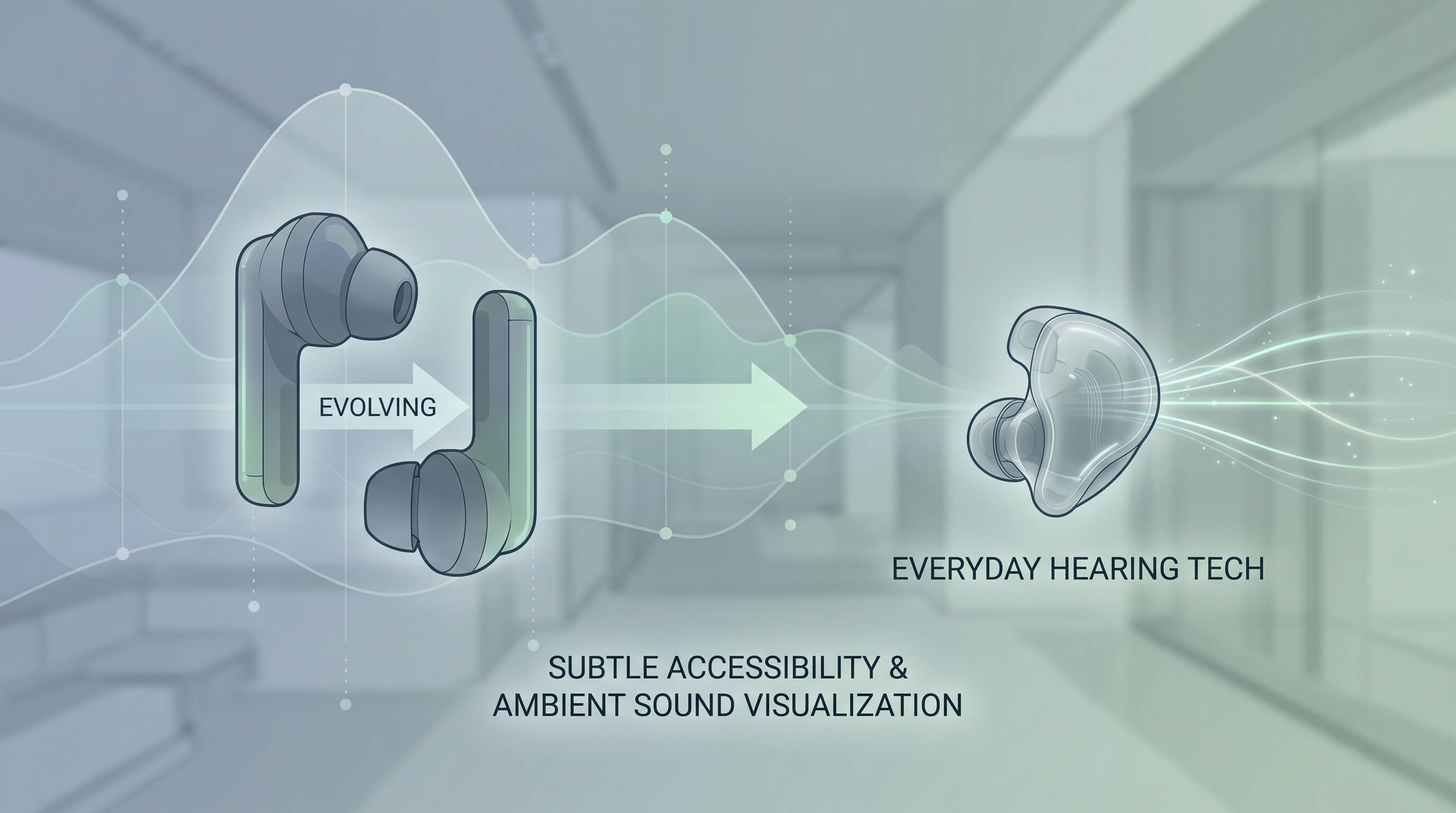
Wireless earbuds are quietly becoming one of the most important accessibility-adjacent gadgets in consumer tech. What started as a category built around music streaming, commuting, and hands-free calls is now expanding into something more consequential: mainstream hearing technology. The shift matters because it brings hearing support features into devices people already want to wear, already know how to charge, and already see as part of daily life rather than a medical exception.
The real story is not that earbuds are replacing hearing aids. They are not. The story is that earbuds are normalizing hearing assistance, conversation enhancement, and hearing awareness at a scale traditional assistive devices never reached. That creates a new middle ground between clinical hearing care and everyday electronics, where accessibility, health monitoring, and consumer audio are beginning to overlap in practical ways.
Why earbuds are crossing into hearing tech
Several trends are converging at once. Earbuds now include better microphones, stronger on-device processing, tighter phone integration, and more personalized audio controls. Manufacturers can measure ambient sound, separate speech from background noise, adapt output in real time, and in some cases run quick hearing checks through a companion app. Features that once sounded niche are becoming familiar selling points.
That changes how people relate to hearing support. A person may first buy earbuds for workouts or travel, then discover they help during meetings, in restaurants, or while watching TV late at night. Another user may turn on transparency or conversation enhancement to hear nearby speech more clearly without removing the buds. These are small moments, but together they push earbuds beyond entertainment and into functional hearing assistance.
Three categories people often confuse
As this market grows, one distinction becomes essential: consumer earbuds, OTC hearing aids, and basic accessibility features are not the same thing.
1. OTC hearing aids
Over-the-counter hearing aids are regulated devices intended for adults with perceived mild to moderate hearing loss. Their job is hearing correction first. That usually means tuned amplification, speech-focused processing, fit options designed for extended wear, and settings meant to support consistent day-to-day hearing needs. They are sold under a framework that treats them as hearing devices, not merely audio accessories.
2. Consumer earbuds
Consumer earbuds are designed primarily for listening, calling, and convenience. Even when they add hearing-related features, their core identity is still audio product first. Some can amplify outside sound, personalize sound profiles, or reduce background noise during conversations. That can be genuinely helpful, but it does not automatically make them a substitute for a purpose-built hearing aid.
3. Accessibility features
Accessibility features are tools layered onto phones, tablets, computers, or earbuds to improve usability. Examples include live captions, mono audio, background sound balancing, transparency modes, conversation boost, custom equalization, or alerts tied to environmental sounds. These features may support people with hearing difficulties, but they are broader than hearing treatment. They often help many users, including people with situational challenges rather than diagnosed hearing loss.
What earbuds already do well
The appeal of earbuds as hearing tech comes from convenience and social acceptability. They are familiar, discreet, and multifunctional. For many people, that lowers the emotional barrier to trying hearing-related support. Someone who would never shop for a dedicated hearing device may still use earbuds that improve speech clarity on a noisy train platform or during a family dinner.
Modern earbuds also perform well in short, specific scenarios. They can help users hear conversations in controlled environments, stream phone and video audio directly, and provide simple sound personalization without an audiology appointment. Some ecosystems make it easy to switch between media listening and environmental listening modes, which is useful for hybrid daily routines.
There is also a preventative angle. Earbuds can increase awareness of hearing health by exposing users to hearing tests, safer listening prompts, and a more detailed understanding of how different environments affect comprehension. That is not the same as diagnosis or treatment, but it can encourage earlier attention to hearing changes instead of years of avoidance.
Where earbuds still fall short
The limitations matter just as much as the promise. Earbuds are constrained by battery life, comfort over long sessions, microphone placement, and the fact that they were not originally engineered as full-time hearing devices. Speech enhancement may work well in one room and struggle in another. Wind, crowd noise, echo, and sudden loud sounds can still break the illusion of seamless assistance.
Fit is another major issue. A hearing aid is built around stable amplification and long-duration wear. Earbuds are often optimized for short listening sessions, exercise, or portability. If a device becomes uncomfortable after a couple of hours, that is not a minor flaw for someone who needs all-day support.
Most importantly, earbuds do not erase the need for proper hearing care. If a person has persistent trouble following speech, keeps turning up the TV, or feels mentally drained after conversations, a regulated hearing solution or professional evaluation may be the better path. Consumer tech can help at the edges, but it should not mask a problem that needs dedicated treatment.
How to think about buying them
If you are evaluating earbuds as hearing-tech gadgets, the smartest question is not “Can these replace hearing aids?” but “In what situations will these help me most?” The answer depends on whether you need casual assistance, media flexibility, or structured support for hearing loss.
For casual help, look for strong transparency or ambient modes, clear voice pickup, low-latency processing, and app controls that let you quickly change sound balance. For hearing awareness, features like hearing checks, personalized audio profiles, and safe-listening alerts add value. For accessibility, direct compatibility with live captions, call clarity tools, and device ecosystem features can matter more than raw sound quality.
If your main goal is improving day-long speech understanding because of ongoing hearing difficulty, OTC hearing aids remain a more appropriate category to compare. They are built for that problem directly. Earbuds may still play a role, especially for calls and entertainment, but they should be judged honestly.
The bigger shift
The most interesting change is cultural. Earbuds are making hearing support visible without making it feel clinical. That will not solve every accessibility gap, and it should not blur the line between helpful gadget features and real medical-grade intervention. But it does create a future where better hearing is treated less like a specialized exception and more like a normal part of personal technology.
That is why this category matters. Earbuds are becoming everyday hearing tech not because they do one job perfectly, but because they connect several jobs people already care about: listening, communicating, adapting, and staying aware of their health. The winners in this space will be the products that respect those boundaries, improve real-life speech understanding, and make hearing support easier to adopt without pretending every problem has the same solution.