Digital Lifespan Governance: Software Support and Firmware Access Redefine Repairability
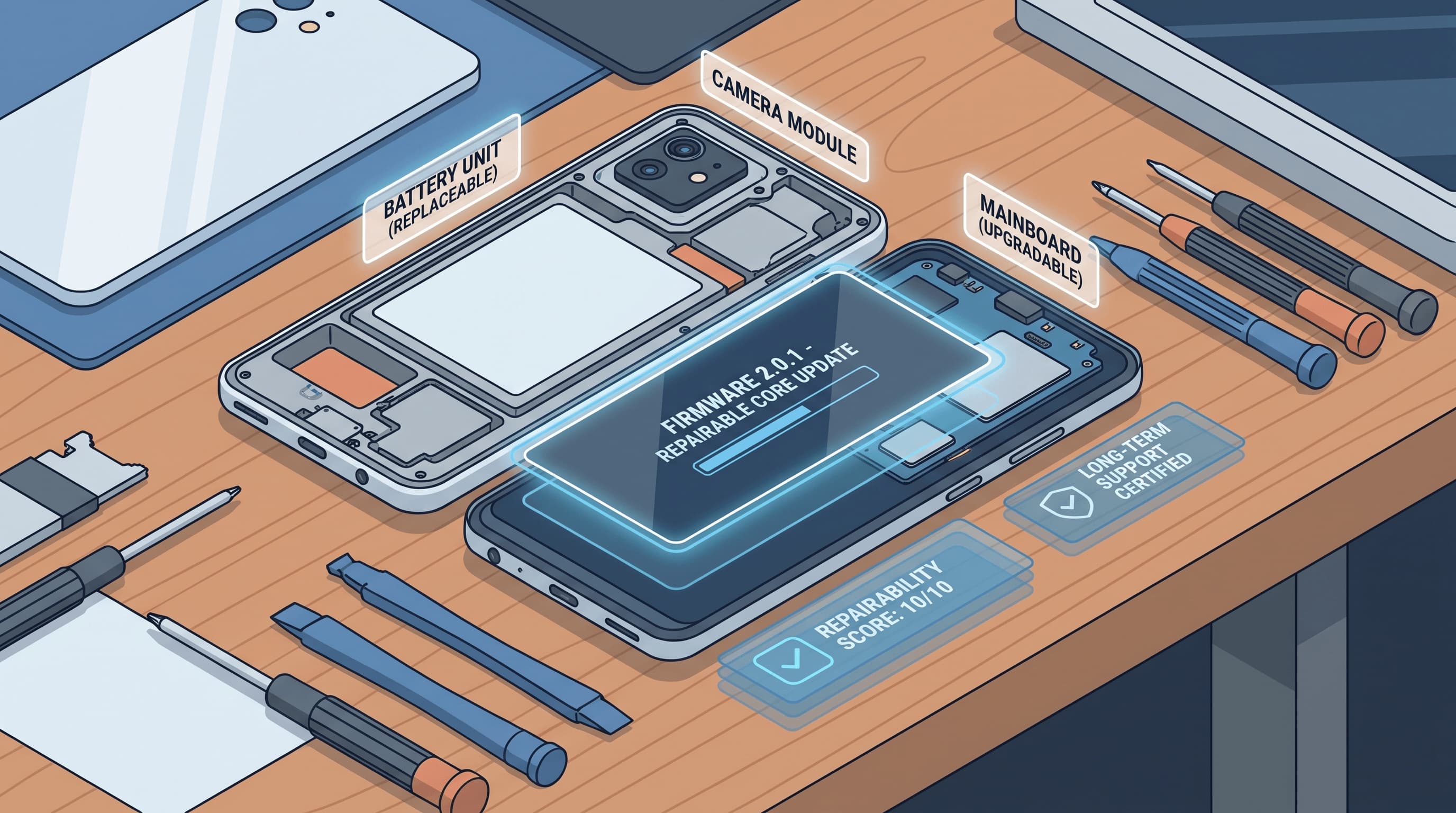
The venerable 'Right to Repair' movement, once primarily focused on the physical accessibility of devices – the availability of screws, standardized components, and spare parts – has evolved dramatically. While hardware design remains crucial, the real battleground for device longevity and consumer autonomy has decisively shifted into the digital realm. Today, a device can be physically repairable, yet functionally obsolete or inaccessible to independent repair if critical software support, firmware access, or proprietary calibration tools are withheld.
This paradigm shift is not merely theoretical; it is actively shaping regulatory landscapes, most notably within the European Union. New EU rules for smartphones and tablets, as highlighted by the European Commission, mandate not only extended spare parts availability but critically, require operating system updates for at least five years from the last unit sold. Furthermore, professional repairers must gain fair access to essential software and firmware, and devices will bear a repairability score from A to E. These directives underscore a fundamental truth: true repairability now extends far beyond the toolkit, encompassing the entire digital lifecycle of a product.
The Evolution of Obsolescence: From Hardware to Software
For decades, a device's lifespan was largely dictated by its most fragile physical component. A cracked screen, a failing battery, or a worn-out button often signaled the end of a product's useful life, despite other components remaining perfectly functional. The initial push for the Right to Repair aimed to address this by advocating for modular designs, readily available spare parts, and comprehensive repair manuals. While significant strides have been made on this front, particularly with some manufacturers beginning to offer self-repair kits and parts, a new, more insidious form of obsolescence has emerged: software-induced decay.
Consider a scenario where a user replaces a faulty camera module with a genuine, new part. In an ideal world, this repair would restore full functionality. However, many modern devices employ "parts pairing" – a system where components are digitally serialized and linked to the device's main logic board. If a replacement part lacks the correct digital signature or isn't "authenticated" by the manufacturer's software, the device might refuse to recognize it, display error messages, or even disable core functionality. This effectively renders a physically successful repair functionally useless, creating a digital barrier to longevity that screws and spare parts alone cannot overcome.
The EU's Holistic Approach: Mandating Digital Longevity
The European Commission has recognized this evolving challenge and responded with a comprehensive set of regulations that redefine what "repairability" truly means. As announced, new rules for smartphones and tablets, set to apply from June 2025, extend beyond mere physical components. They stipulate that batteries must retain at least 80 percent of their capacity after 800 charging cycles, ensuring a longer functional life for a critical component. More profoundly, manufacturers must ensure the availability of spare parts for at least seven years after a model's last unit is sold, addressing the supply chain aspect of hardware repair.
Crucially, the new EU rules delve deep into the digital infrastructure of devices. They mandate operating system updates for at least five years from the last unit sold. This is a monumental shift, directly combating software obsolescence by ensuring devices remain secure and compatible with modern applications for an extended period. Without these updates, even physically robust hardware can become a security risk or lose compatibility with essential services, forcing consumers into premature upgrades.
Furthermore, the regulations specifically address access for professional repairers. They must have fair access to the software or firmware needed for repairs. This includes diagnostic tools, calibration software, and the ability to reset or re-pair components that might be locked down by proprietary systems. This provision is vital because many repairs, especially those involving complex components like displays or biometric sensors, require specific software tools for calibration or re-initialization to function correctly and safely. Without this access, independent repair shops are severely handicapped, pushing consumers back to authorized, often more expensive, service centers.
Adding another layer of transparency, devices will also be required to display a repairability score from A to E. This visible label, similar to energy efficiency ratings, will empower consumers to make informed purchasing decisions based on a product's long-term maintainability, encompassing both its physical and digital attributes. This score will likely consider factors such as ease of disassembly, availability of parts, and crucially, software support windows and access to repair documentation.
Beyond Security Patches: Firmware, Calibration, and Parts Pairing
While operating system updates are critical for security and compatibility, the deeper layers of device functionality are often controlled by firmware. Firmware is the low-level software embedded in hardware components, dictating how they operate. A new display, for instance, might require a firmware update or specific calibration to match the device's color profile or touch sensitivity. Manufacturers often restrict access to these firmware tools, claiming intellectual property or security concerns, but effectively creating a bottleneck for independent repair.
Parts pairing, as mentioned, is another significant hurdle. It's not just about preventing the use of third-party components; it can even restrict the use of genuine parts sourced from another identical device or a legitimate supplier if the device's software doesn't "authenticate" them. This practice, often justified by security or performance claims, is increasingly viewed as an anti-competitive measure that undermines consumer choice and the very concept of repair.
The implications extend to environmental sustainability. The premature obsolescence of devices, driven by a lack of software support or repair access, contributes significantly to the growing global e-waste crisis. By extending the functional lifespan of products through comprehensive repairability mandates, the EU's regulations aim to reduce this waste, conserve resources, and promote a more circular economy. This shift signifies a move from a linear "take-make-dispose" model to one that values product longevity and resource efficiency.
The Future of Repair: Actionable Takeaways
The landscape of device repair is irrevocably changing. It demands a holistic view that integrates hardware accessibility with robust digital lifecycle management. For this evolution to truly benefit consumers and the environment, stakeholders must adapt.
For Consumers:
- Prioritize devices from manufacturers committed to long software support windows and high repairability scores. Research these aspects before purchasing.
- Demand transparency regarding parts pairing, firmware access, and the availability of repair documentation.
- Support legislative efforts that expand the scope of "Right to Repair" to include digital aspects.
For Regulators:
- Continue to expand "Right to Repair" legislation to comprehensively cover digital aspects, including mandatory firmware access, anti-parts pairing measures, and extended security update policies.
- Enforce compliance vigorously, ensuring manufacturers genuinely provide the necessary tools and information to independent repairers.
- Standardize repairability metrics and ensure their clear communication to consumers.
For Manufacturers:
- Embrace open standards and modular designs that facilitate both physical and digital repair.
- Provide necessary software tools, diagnostic utilities, and documentation to independent repairers without undue restrictions.
- Shift business models to value product longevity and service revenue over rapid upgrade cycles.
- Invest in robust, long-term software and security update strategies for all product lines.
For Independent Repairers:
- Invest in developing expertise in software diagnostics, firmware flashing, and calibration techniques.
- Advocate for policy changes that ensure fair access to manufacturer tools and information.
- Educate consumers on the importance of digital repairability and the challenges posed by parts pairing and restricted software access.
The future of repair is no longer just about the mechanics; it's about the code, the updates, and the digital keys that unlock a device's full potential throughout its entire lifecycle. The EU's proactive stance sets a precedent, signaling a global shift towards a more sustainable and consumer-centric approach to technology.