Crypto wallets are turning into the login layer for the next internet
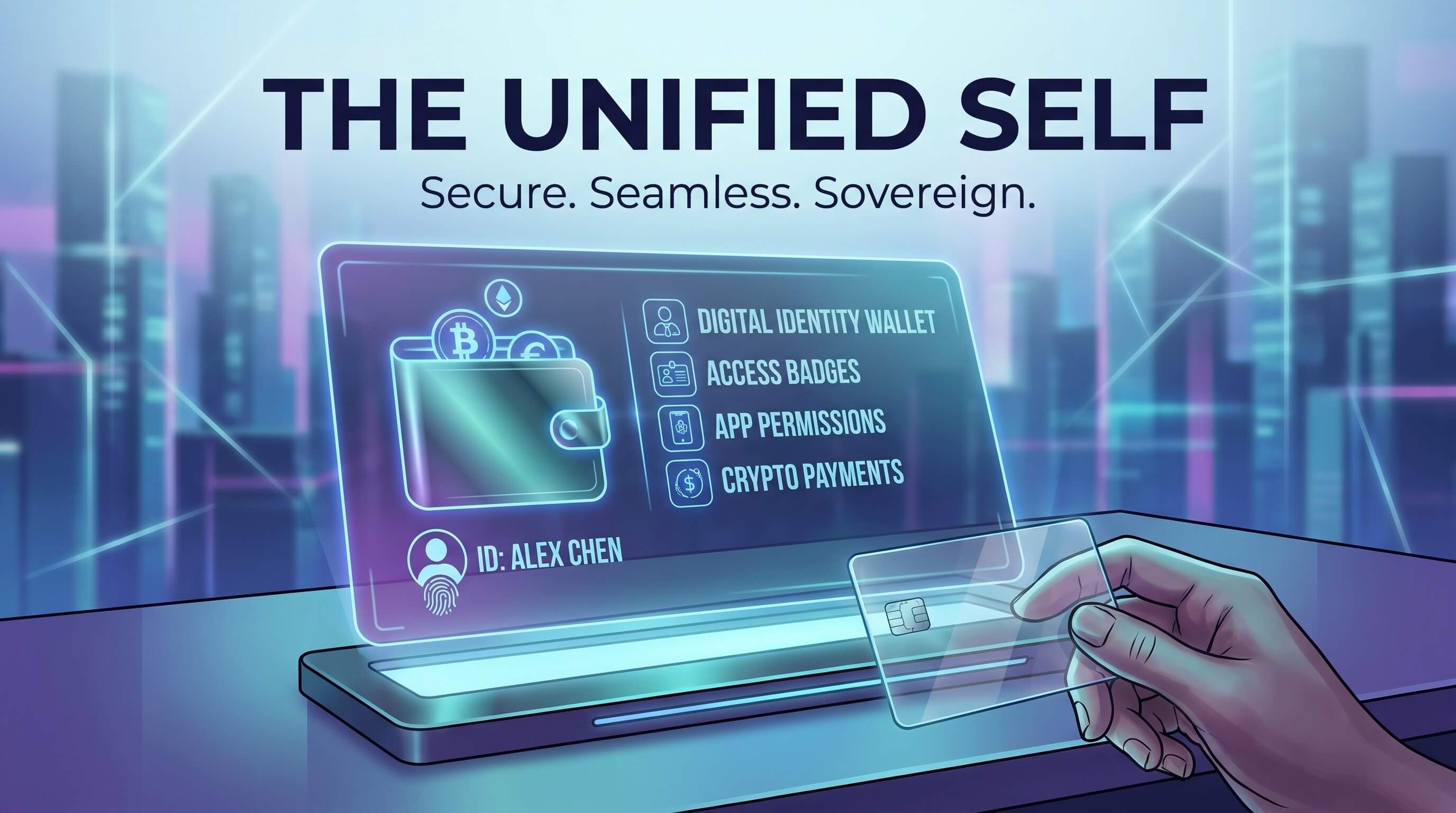
Crypto wallets were supposed to be simple. Store keys, sign transactions, move assets. That was the pitch. In practice, wallets are becoming something much more important: the identity and access layer for a growing slice of the internet.
That shift matters because most online identity systems are still brittle. Passwords are insecure, SSO centralizes power in a few platforms, and app-specific accounts create endless duplication. Wallets offer a different model. Instead of asking users to create yet another account, a service can ask them to prove control of a cryptographic key, then attach permissions, reputation, payments, and memberships to that identity. The result is not just a better vault for digital assets. It is a programmable login system with ownership built in.
From storage tool to identity primitive
The early wallet narrative focused on custody. Could users safely hold Bitcoin or Ethereum without relying on an exchange? That was a real problem, and it still is. But once wallets became common signing interfaces, developers realized they solved a second problem at the same time: authentication.
A wallet can prove that a user controls an address without exposing a password. In the Ethereum ecosystem, sign-in flows such as SIWE (Sign-In with Ethereum) let users authenticate by signing a message. No password reset flow, no reused credentials, no need to trust Google or Apple as the only identity brokers. That alone is useful, but the bigger opportunity appears when identity is tied to onchain state.
If the same wallet holds a governance token, belongs to a multisig, owns an event NFT, or has interacted with a protocol for two years, applications can use those facts to make access decisions. A wallet is no longer just who are you. It becomes what can you do here, what have you done before, and what rights travel with you.
Why this changes access control
Traditional access control is fragmented. Your Slack permissions do not travel to your forum. Your community membership does not unlock a gated event automatically. Your loyalty history in one app is invisible to another unless both companies integrate directly. Wallet-based systems compress these layers into one portable object.
Consider a crypto conference. A ticket sold as an NFT can act as admission, unlock a private chat channel, grant access to recorded sessions after the event, and later serve as proof that you attended. The same wallet can then become eligible for future discounts or partner offers. That is identity, authorization, and commerce tied together without issuing a separate username for each step.
The same pattern is spreading into software products. A developer tool can grant premium features to wallets that hold a paid subscription token. A DAO can let contributors vote, access internal documents, and withdraw approved budgets using the same identity layer. A game can use the wallet as inventory, login, and reputation profile across titles instead of trapping all progress inside one publisher database.
Wallets are becoming permission containers
The important architectural shift is that wallets increasingly carry permissions, not just balances. Some of those permissions are explicit onchain rights, such as ownership of a tokenized membership. Others are delegated permissions, where a user grants a wallet or sub-wallet limited authority to act on their behalf.
This is where smart wallets and account abstraction start to matter. A basic externally owned account is powerful but blunt: one key often controls everything. Smart contract wallets let teams define rules around spending limits, recovery, multiple signers, session keys, and app-specific permissions. That makes wallets more realistic as mainstream access layers.
For example, a user could approve a game session key that lets the app sign low-risk gameplay actions for 24 hours without exposing the main treasury wallet. An enterprise team could require two approvers for large treasury moves while allowing one operations wallet to handle routine vendor payments. A consumer could recover access through trusted guardians instead of losing everything with a forgotten seed phrase. These are not minor UX upgrades. They are what turns wallets from enthusiast tools into usable access infrastructure.
Identity gets richer when it is portable
One reason platforms have dominated identity is that they own the history. Your account is valuable because it contains relationships, purchase records, badges, and behavioral data. Wallet-based identity challenges that by making at least some of that history portable.
Portable does not mean fully public by default, and that distinction matters. The next phase is not about dumping every user action on a transparent chain. It is about selective proof. A wallet owner may need to prove they hold a valid credential, belong to a certain organization, or are over a certain age without exposing every transaction they have ever made. That is where verifiable credentials, zero-knowledge proofs, and attestation systems enter the picture.
In practical terms, this could let a freelancer prove certification status to a client, a user prove regional eligibility to a service, or a DAO member prove voting rights, all without surrendering the full underlying dataset. If that model matures, wallets become less like bank apps and more like digital passport holders with programmable disclosure.
The enterprise angle is easy to miss
It is tempting to frame wallet identity as a consumer crypto story, but enterprise use cases may be just as important. Companies already struggle with provisioning and deprovisioning access across SaaS tools, contractors, partners, and machine accounts. Wallet-based credentials can create a common signing and attestation layer across systems that do not share a native identity stack.
Imagine a supply-chain workflow where each participant signs status updates with a wallet tied to a business credential. Or a B2B API ecosystem where partners use wallet-based attestations to prove they are authorized resellers or certified integrators. Or internal finance systems where policy-controlled wallets handle approvals, settlements, and audit trails in one interface. These models are not replacements for every enterprise IAM product, but they are strong fits for multi-party systems where no single organization should own the root identity layer.
The hard part is still user experience
None of this becomes mainstream if wallets stay confusing. Seed phrases, chain switching, gas fees, signature prompts, and phishing risks remain serious friction points. The industry has improved, but not enough to assume mass adoption is inevitable.
That is why the most important wallet innovation over the next few years may not be a new token standard. It may be invisible infrastructure: passkey-backed wallets, embedded wallets, safer signing prompts, gas abstraction, human-readable permissions, and better recovery models. The winning products will hide protocol complexity without removing user control.
There is a tension here. The more a wallet feels like a normal app account, the easier it is to onboard mainstream users. But if too much control moves back to custodians or app providers, the wallet loses the very property that makes it useful as an independent identity layer. The real design challenge is finding the middle ground: enough abstraction to be usable, enough sovereignty to remain portable and trustworthy.
Actionable takeaways
If you build internet products, start treating wallets as identity infrastructure rather than just payment plumbing. Ask what permissions, memberships, or attestations can travel with the user across apps. If you evaluate crypto products, look beyond token support and check the wallet’s recovery model, signing clarity, and delegated permission controls. If you work in enterprise architecture, pay attention to wallet-based credentials in multi-party workflows where traditional IAM stops cleanly at organizational boundaries.
Crypto wallets will not replace every login. They will not make passwords disappear overnight. But they are already evolving into something broader than asset vaults. As identity, authorization, and payment continue to merge in digital systems, wallets are becoming one of the most interesting interfaces for how access gets granted on the next internet.