Apple AirPods Pro 3 Cleared as Hearing Aids: What an FDA Decision Actually Means for a $35 Billion Industry
From Headphones to Medical Devices
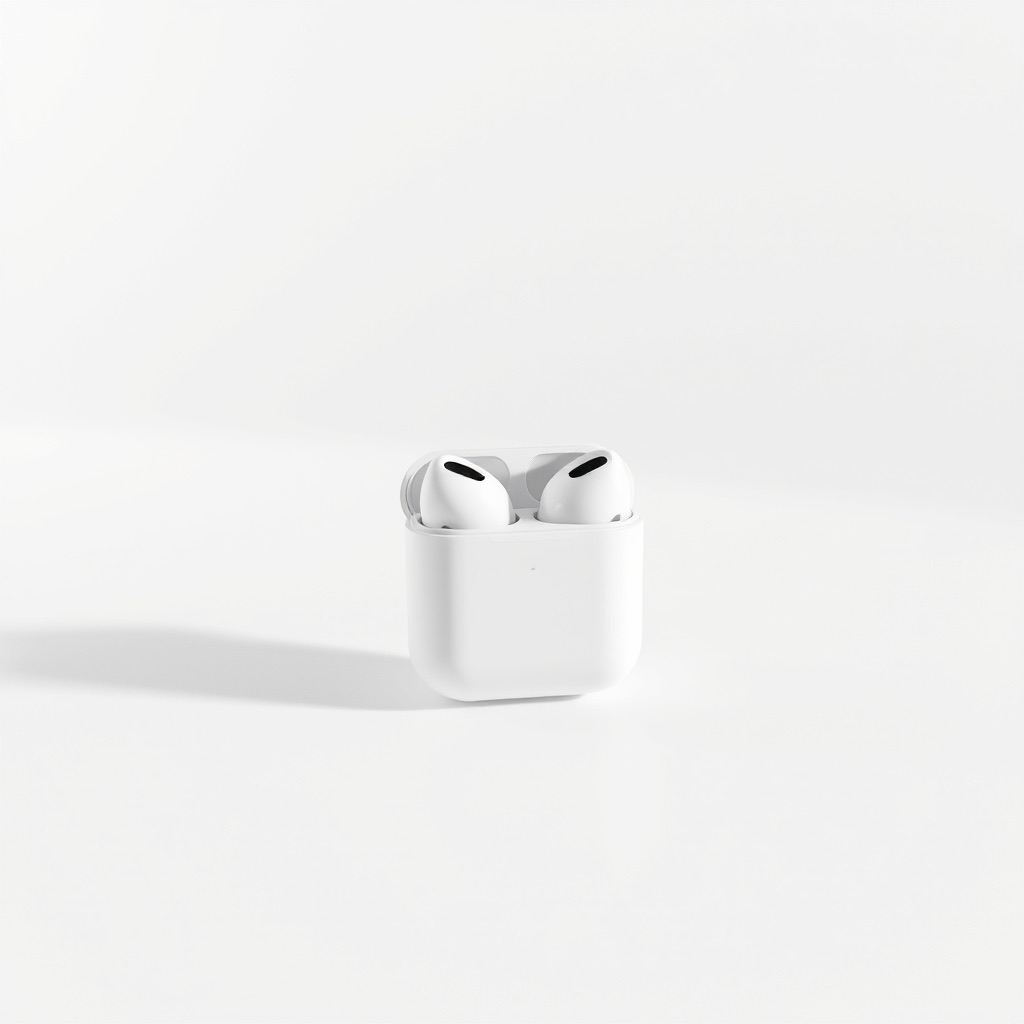
In September 2024, Apple announced that AirPods Pro 2 would receive a software update enabling a clinical-grade hearing aid feature — a functionality that required, and received, FDA clearance as an over-the-counter (OTC) hearing aid. The AirPods Pro 3, announced in 2025, shipped with this capability baked in from day one, making them the first mainstream consumer earbuds designed and marketed simultaneously as both premium audio products and legitimate medical devices.
This is not a minor feature update. The FDA's OTC hearing aid category, established under the 2022 Over-the-Counter Hearing Aid Act, was designed specifically to break open a market that had been locked behind audiologist visits and prescription pricing. Apple walked through that door faster and more decisively than any other consumer electronics company — and the hearing care industry is still absorbing what that means.
What the FDA Clearance Actually Covers
FDA clearance for OTC hearing aids applies to adults with mild-to-moderate hearing loss, defined as a 26–55 dB hearing level across key speech frequencies. This covers an estimated 38 million Americans — roughly 80% of all people with hearing loss in the country. The remaining 20%, those with severe or profound loss, still require prescription devices and audiologist fitting.
For the AirPods Pro 3, the cleared feature operates through a three-step process users can complete at home: a Hearing Test (a pure-tone audiogram conducted via the iPhone's built-in tone generator and microphone array), a Hearing Check (a quick calibration against speech-in-noise), and a Hearing Aid mode that applies a personalized amplification profile stored in the device. The profile amplifies specific frequencies where the user shows deficit, similar to what a professional audiologist would program into a prescription aid — minus the in-person fitting fee.
Clinical validation published in The Lancet in late 2024 found that the AirPods hearing aid mode performed within clinically acceptable thresholds compared to entry-level prescription aids in controlled speech-in-noise testing. It did not match premium behind-the-ear (BTE) devices from Phonak or Oticon across all metrics, particularly in directional processing and feedback suppression. But for mild-to-moderate loss — the target market — the gap was within the margin considered acceptable under FDA OTC guidelines.
The $35 Billion Industry It's Disrupting
Global hearing aid revenues reached approximately $35 billion in 2024, dominated by five companies: Sonova (Phonak, Unitron), William Demant (Oticon, Philips Hearing Solutions), WS Audiology (Widex, Signia), GN Audio (ReSound), and Starkey. Together, these companies control roughly 90% of the prescription hearing aid market and have maintained average retail prices of $3,000–$7,000 per pair in the United States for the past two decades.
The traditional model extracts value at three points: device margins (often 200–300%), audiologist fitting fees ($200–$600 per visit), and annual follow-up service contracts. Insurance coverage in the US has been historically poor — Medicare did not cover hearing aids until the HEAR Act passed in 2024, and even then, coverage is capped at $2,500 per pair.
OTC hearing aids began eroding this structure after 2022. Jabra Enhance, Sony CRE-10, and several Lexie products demonstrated that $200–$1,500 devices could serve mild-to-moderate loss adequately. But adoption remained slow because none of these products had meaningful brand recognition among consumers with hearing loss, who often still sought professional validation before purchase. AirPods Pro 3 changes the demand-side math entirely: hundreds of millions of people already own or have used AirPods, and $249 is an impulse purchase compared to $5,000 for a Phonak Audeo Lumity.
What Analysts Are Projecting
Morgan Stanley estimated in Q1 2025 that Apple's hearing aid feature could pull 4–6 million units of demand away from traditional OTC and prescription entry-level devices annually by 2027. Bernstein Research put the addressable substitution market at $3.2 billion annually in North America alone. Sonova's stock dropped 9% in the week following Apple's initial September 2024 announcement. William Demant and WS Audiology saw similar single-digit declines.
The prescription segment is likely to be more insulated, at least initially. Severe-to-profound hearing loss, cochlear implant candidacy, pediatric fitting, and complex auditory processing disorders all require professional care that AirPods cannot provide. Audiologists are also repositioning toward the higher-value services their licenses uniquely enable: tinnitus management, vestibular testing, and cochlear implant programming.
AirPods Pro 3 Hearing Aid Mode: Feature Breakdown
The hearing aid capabilities in AirPods Pro 3 are powered by the H2 chip and its dedicated low-latency audio processing pipeline. Key features include:
- Personalized Hearing Profile: Generated from the in-app audiogram, stored locally on the device and in iCloud Health, synced across paired Apple devices
- Conversation Boost (Enhanced Mode): Beamforming microphone array focuses audio pickup toward the speaker in front of the user, improving speech intelligibility in moderate noise environments
- Adaptive Environmental Tune: Real-time environment classification adjusts amplification parameters automatically
- Feedback Suppression: Hardware-level feedback cancellation to prevent the whistling that plagued early OTC aids
- Transparency Mode Integration: The hearing aid amplification stack layers over AirPods' existing Transparency Mode, allowing real-world audio passthrough with frequency-specific boosting
- iOS Health Integration: Hearing health data feeds into Apple Health for longitudinal tracking
Limitations Users Should Know
AirPods Pro 3 hearing aids have meaningful real-world constraints. Battery life in active hearing aid mode drops to approximately 4.5–5 hours on a charge, compared to 6.5 hours for standard audio use — a significant constraint for people who need all-day amplification. The feature is iPhone-only: Android users and non-Apple device owners cannot access the audiogram or hearing aid mode, which excludes a majority of global smartphone users.
Actionable Takeaways
- For people with mild-to-moderate hearing loss: AirPods Pro 3 represents a legitimate first step — complete the in-app audiogram and trial the Hearing Aid mode before spending thousands on prescription devices. If it handles your primary listening environments adequately, it may be sufficient. If you struggle in complex noise (crowded restaurants, meetings with multiple speakers), a professional fitting with a premium aid is worth the premium.
- For audiologists and hearing clinics: Competing on device sales alone is no longer viable at the entry level. Clinics that have already shifted toward unbundled service pricing, tinnitus therapy, pediatric audiology, and cochlear implant programs will weather the disruption better than those relying on margins from entry-level aid fittings.
- For investors in legacy hearing aid companies: The short-term impact is concentrated in OTC and entry-level prescription segments. Sonova's Lumity Life and Phonak Audeo series at $4,000+ remain differentiated; the risk is that Apple normalizes the concept of hearing help at consumer prices, accelerating the commoditization of mid-range hearing devices over a 5–7 year window.
- For Apple: The hearing aid feature converts AirPods Pro from a discretionary audio purchase into a potential health necessity purchase — a product category with far more price-inelastic demand and higher repurchase frequency. The long-term play is almost certainly insurance reimbursement; if Apple can get AirPods Pro listed as a covered OTC device under Medicare's expanded hearing benefit, the addressable market expands by tens of millions of price-sensitive buyers overnight.