AI Smart Glasses Are Finally Narrow Enough to Become Everyday Gadgets
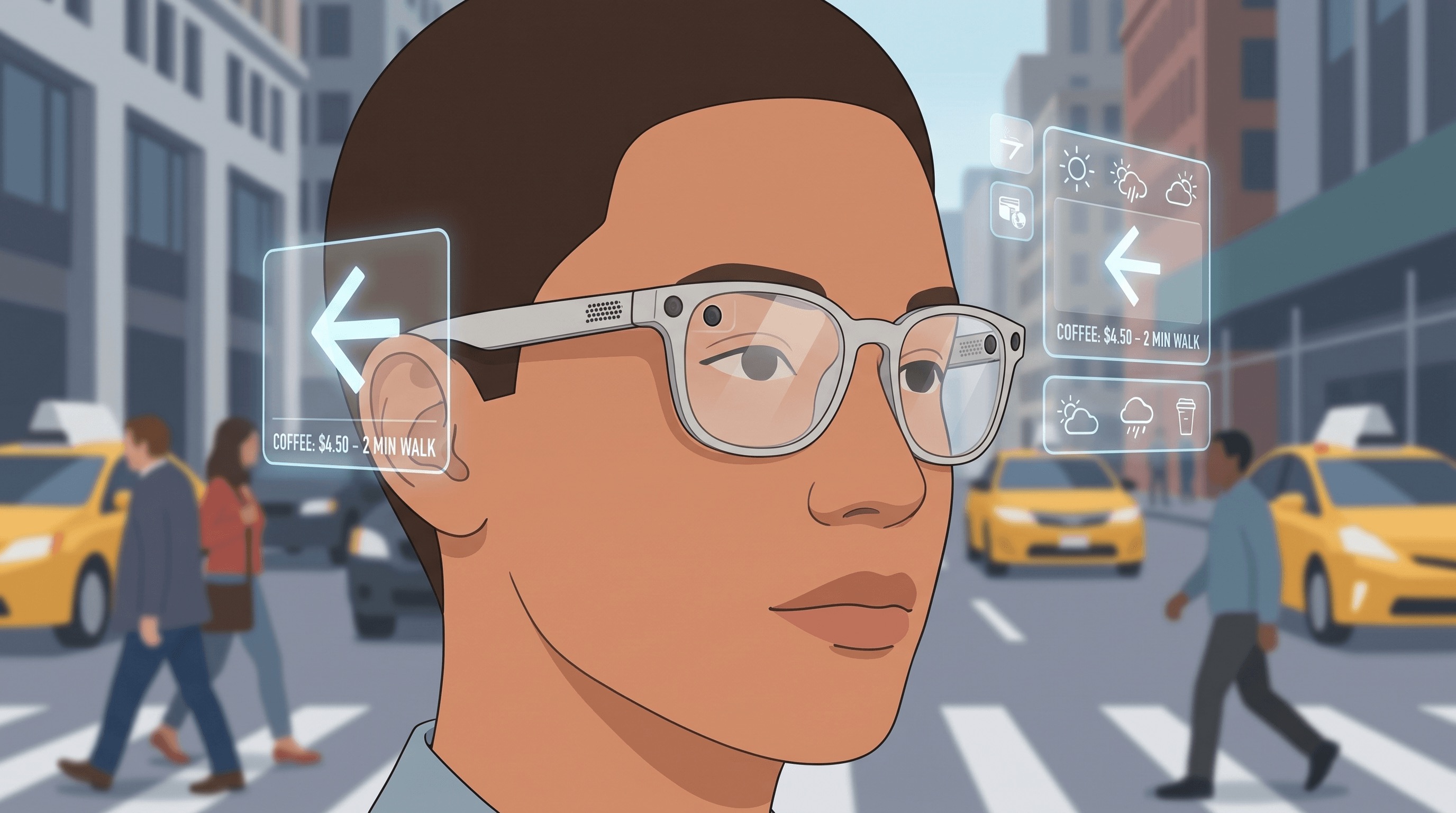
Smart glasses have spent years trapped between two bad pitches. One version promised a full augmented-reality future before the hardware was remotely ready. The other offered camera glasses or notification glasses that felt too limited to matter. What is changing now is not that the category suddenly solved everything. It is that the products are getting narrower in a useful way.
That narrowing is exactly why AI smart glasses are starting to look like a serious gadget category in 2026. The most promising devices are not trying to replace the smartphone overnight or project a cinematic interface onto the world. They are doing something more believable: combining voice, cameras, microphones, and lightweight context awareness in a form factor people might actually wear for hours.
Why the earlier smart-glasses waves struggled
The history matters here. Early smart glasses often failed because they were too visibly experimental, too socially awkward, or too ambitious relative to their battery life and optics. If a product asks people to wear a computer on their face, it has to clear a very high bar on comfort and style before its software story even gets a fair hearing.
That is why the Meta and Ray-Ban partnership landed more effectively than many earlier attempts. The product did not try to solve spatial computing in one move. It focused on a familiar frame design, decent media capture, open-ear audio, and hands-free interaction. Those are still niche use cases compared with the smartphone, but they are concrete use cases. The glasses do not have to be everything to be useful.
AI gives the category a more natural interface
Large language models and multimodal assistants change the equation because they reduce the need for a visible interface. A wearable device with weak displays used to feel compromised. A wearable device that can listen, look, answer, summarize, translate, or remember can get away with much less screen real estate. In some cases it works better with no display at all.
That is a subtle but important shift. The product value is no longer only in showing information. It is in helping the wearer offload attention. A pair of glasses that can capture a point-of-view video, identify what you are looking at, answer a question about the object in front of you, or translate speech in context does not need to act like a tiny laptop on your nose. It needs to be fast, discreet, and good enough to trust in short bursts.
The ecosystem is becoming more credible
Google’s Android XR push matters for the same reason Android mattered on phones years ago: it suggests the market may not remain a one-company experiment. By framing XR and glasses as a platform for Samsung, Qualcomm, XREAL, and other partners, Google is trying to create a software and hardware ecosystem broad enough to support multiple device types. That does not guarantee success, but it does improve the odds that developers and component suppliers will keep investing.
This broader ecosystem also allows the category to split sensibly. Some devices can remain screenless AI glasses focused on audio, cameras, and assistant behavior. Others can add lightweight heads-up displays for navigation, notifications, or translation. More immersive XR products can stay separate instead of forcing every wearable into the same design target. That segmentation is healthy. Consumer technology categories usually mature when they stop pretending one form factor should do every job.
The constraint is still hardware discipline
None of this means the hard problems disappeared. Battery life remains tight. Privacy concerns remain real. On-face cameras still make bystanders uneasy. Audio quality, weight distribution, thermal behavior, and microphone performance still determine whether a device feels like a gadget or like a prototype. AI can make interaction more natural, but it cannot rescue bad industrial design.
There is also a product-design temptation that companies need to resist: adding capabilities faster than users can understand why they matter. Smart glasses are especially vulnerable to feature creep because every demo looks magical. In daily life, though, magic loses to friction. A smaller set of reliable actions beats a sprawling set of inconsistent ones.
Why this category has a better chance now
The strongest argument for smart glasses today is not that they are the next smartphone. It is that they can become the next useful companion device. Cameras already migrated into everyday wear. Earbuds normalized persistent audio computing. Watches proved that accessories can earn attention if they reduce enough micro-friction. Glasses can follow a similar path if they focus on tasks that benefit from first-person context and hands-free interaction.
That is where AI helps most. It makes the gadget feel less like a remote control and more like a situational assistant. The value is not that the device is always in your face. The value is that it is already on your face when you need it.
The likely shape of the market
The smart-glasses market will probably not break open through one grand launch. It is more likely to spread through iterative improvements: better microphones, lighter frames, stronger voice interaction, more useful translation, safer notifications, and eventually better display options where they genuinely help. That is less dramatic than the old augmented-reality script, but it is how consumer categories usually become real.
In that sense, smart glasses may be reaching the most important point in their history: the moment when ambition is finally being constrained by product sense. That sounds like a downgrade. It is actually progress.
The gadgets people keep are rarely the ones that promised the future most loudly. They are the ones that found a narrow job, performed it well, and slowly expanded from there. AI smart glasses are finally being built with that lesson in mind. That is why the category feels more plausible now than it did when the vision was bigger.