Vision-Language-Action-Modele bringen Lagerrobotern bei, mit Objekten umzugehen, die sie noch nie gesehen haben
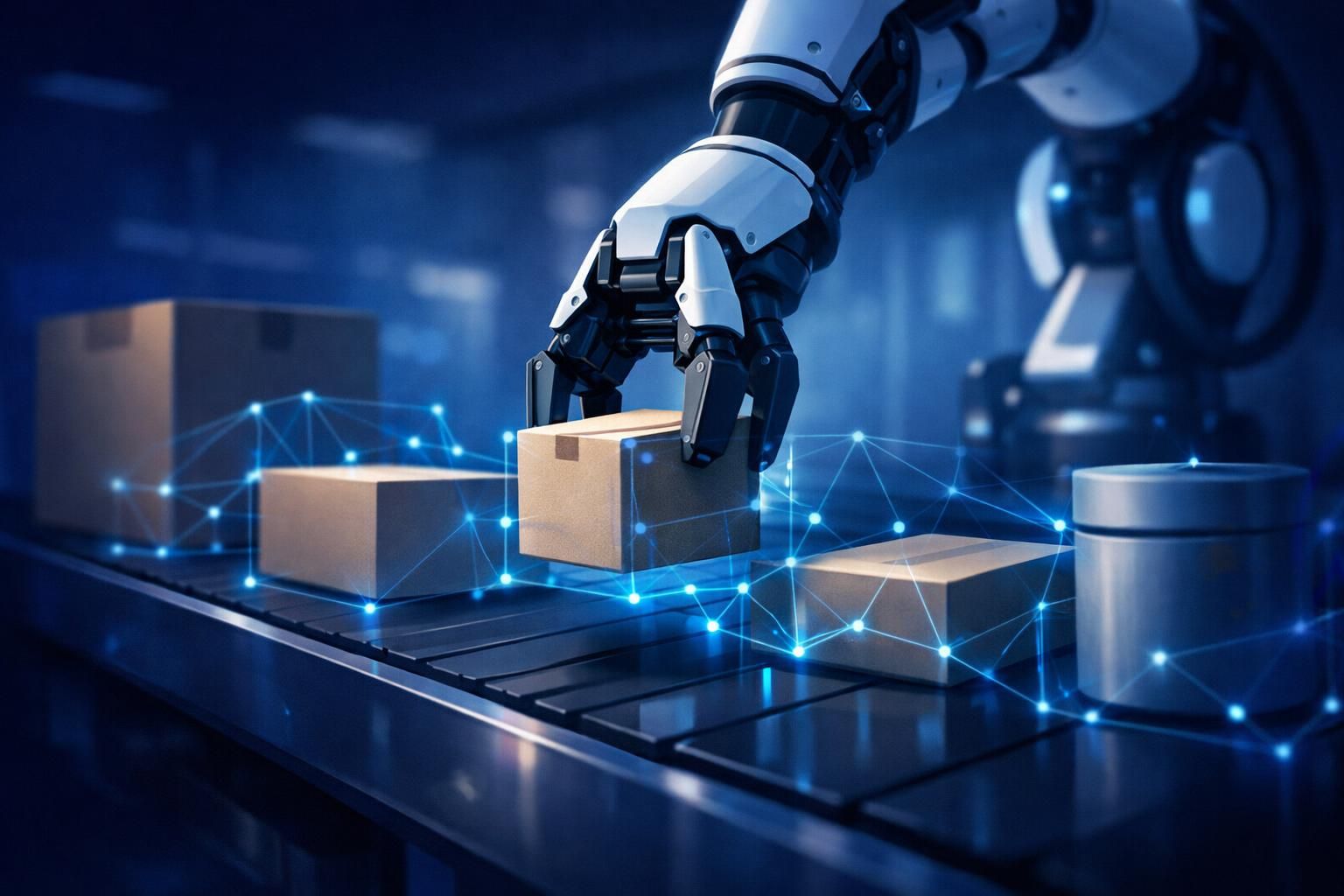
Einem Pick-and-Place-Roboter im Lager musste traditionell im Detail mitgeteilt werden, was er gerade greift. Ingenieure programmieren Greifpunkte für jede SKU, trainieren Vision-Modelle neu, wenn eine neue Produktlinie eintrifft, und akzeptieren, dass alles wirklich Neuartige — ein seltsam geformter Retourenartikel, ein Produkt noch in der Entwicklungsverpackung — an einen Menschen weitergereicht wird. Vision-Language-Action-Modelle durchbrechen genau diese Beschränkung. Statt hart codierter Regeln für jedes Objekt generalisiert ein einziges Modell, das sowohl mit bild- und textdaten im Internet-Maßstab als auch mit echten Roboterbewegungen trainiert wurde, auf Objekte, die es nie explizit zu greifen gelernt hat — oft schon beim ersten Versuch.
Das π0-Modell von Physical Intelligence, Helix von Figure AI und NVIDIAs GR00T N1 sind die deutlichsten Signale dafür, dass dies längst kein Laborkuriosum mehr ist. Figure hat Helix auf einer liveen BMW-Produktionsfläche eingesetzt. Physical Intelligence — unterstützt von OpenAI, Jeff Bezos und Thrive Capital — hat π0 dabei gezeigt, wie es Wäsche faltet und Tische abräumt, die es in dieser Konfiguration noch nie gesehen hat. Amazons Fulfillment-Center testen generalistische Greifsysteme, die auf derselben grundlegenden Idee basieren, um den Anteil der Artikel zu senken, die noch eine menschliche Hand erfordern. Das gemeinsame Merkmal all dieser Systeme ist architektonischer Natur, nicht bloß ein größerer Datensatz.
Warum der alte Ansatz an seine Grenzen stieß
Die klassische Industrierobotik trennt Wahrnehmung, Planung und Steuerung in eigenständig entwickelte Stufen. Ein Vision-System identifiziert ein Objekt und schätzt seine Pose; ein Planner berechnet eine Trajektorie; ein Controller führt sie aus. Jede Stufe funktioniert gut für die Objekte, für die sie ausgelegt wurde, und jede Stufe versagt unabhängig von den anderen, wenn sie auf etwas außerhalb ihrer Trainingsverteilung trifft — ein reflektierendes Paket, ein verformbarer Beutel, ein Artikel in ungewöhnlichem Winkel. Das Neutrainieren auch nur einer Stufe für eine neue Objektkategorie ist langsam, und Lager wechseln ihre SKUs ständig: Ein Fulfillment-Center kann Hunderttausende verschiedener Artikel handhaben, täglich kommen neue hinzu.
Genau diese Diskrepanz — ein Robotik-Stack, der für einen festen Katalog gebaut wurde, eingesetzt gegen einen Katalog, der sich nie stoppt zu verändern — ist das konkrete Problem, auf das Vision-Language-Action-Modelle abzielen.
Wie VLA-Modelle tatsächlich funktionieren
Ein Vision-Language-Action-Modell baut auf einem großen Vision-Language-Modell auf — jener Art, die auf Milliarden von Bild-Beschriftungs-Paaren und Text aus dem offenen Web trainiert wurde — und fügt eine dritte Modalität hinzu: motorische Aktionen. Roboter-Trajektorien, aufgezeichnet als Sequenzen von Gelenkpositionen oder Endeffektor-Posen, gekoppelt mit Kamerabildern und Aufgabenbeschreibungen, werden auf dieselbe Weise tokenisiert wie Text und in das Training integriert. Das Modell lernt, „welche Bewegung als Nächstes kommt" vorherzusagen, so wie ein Sprachmodell vorhersagt, „welches Wort als Nächstes kommt" — bedingt durch das, was es sieht und was es tun soll.
Das ist deshalb bedeutsam, weil das Modell das breite, im Internet-Maßstab angelegte Verständnis des Vision-Language-Backbones erbt, was Objekte sind und wie sich die physische Welt verhält — es hat gewissermaßen Millionen von Bildern von Taschen, Kartons, Werkzeugen und Lebensmittelbehältern gesehen, bevor es je einen Roboterarm berührte. Das Feintuning mit einer vergleichsweise kleinen Menge an echten Roboter-Trajektoriedaten bringt ihm dann bei, dieses visuelle Verständnis in motorische Befehle zu übersetzen, statt zu müssen, was eine „Tasche" ist, von Grund auf neu mit nur robotergesammelten Beispielen zu erlernen. Das ist der Generalisierungsmechanismus: Das Modell merkt sich nicht Greifpunkte für bekannte SKUs, sondern wendet breites visuelles und physikalisches Common Sense auf das an, was sich gerade vor der Kamera befindet.
Der Open-X-Embodiment-Datensatz, eine institutionsübergreifende Zusammenarbeit, die Roboter-Demonstrationsdaten über Dutzende von Roboterplattformen und Forschungslaboren bündelt, war dabei zentral — er ist das Nächste, was das Feld zu einem gemeinsamen Trainingskorpus hat, und Modelle, die übergreifend damit trainiert wurden, übertreffen durchgehend solche, die auf den schmaleren Daten eines einzelnen Labors trainiert wurden.
Das Latenzproblem und wie es gelöst wird
Ein großes Vision-Language-Action-Modell kann zu langsam sein, um als direkte Steuerungsschleife zu laufen — physisches Greifen erfordert Aktualisierungen in der Größenordnung von zehn Millisekunden, während der Forward-Pass eines Modells mit mehreren Milliarden Parametern erheblich länger dauern kann. Die Lösung, die sich bei den meisten dieser Systeme durchgesetzt hat, ist hierarchisch: Ein großes, langsameres Modell übernimmt die hochlevelige Schlussfolgerung und Planung mit wenigen Hertz — „das Objekt ist eine zerknitterte Chipstüte, von diesem Winkel annähern" — während eine kleine, schnelle Policy die kontinuierliche Echtzeitsteuerung in der Geschwindigkeit übernimmt, die die physische Manipulation tatsächlich erfordert. Physical Intelligence's π0 nutzt Flow Matching speziell für diese schnelle Ebene der kontinuierlichen Steuerung, weil es glatte, hochfrequente Aktionssequenzen erzeugen kann, ohne dass das vollständige Modell für jeden motorischen Befehl in der Schleife sein muss.
Was den Einsatz noch begrenzt
Roboter-Trajektoriedaten sind immer noch um Größenordnungen knapper als die Text- und Bilddaten, die große Sprachmodelle möglich gemacht haben — das Sammeln einer einzigen Stunde realer Roboter-Demonstration ist weitaus teurer als das Scrapen einer Webseite und erfordert physische Hardware, einen Arbeitsbereich und oft einen menschlichen Bediener. Diese Knappheit ist die bindende Beschränkung des Feldes, und deshalb bleibt Sim-to-Real-Transfer — das Training in der Simulation und anschließende Anpassen an physische Hardware — ein aktives Forschungsproblem, statt ein gelöstes.
Zuverlässigkeit im großen Maßstab ist die andere offene Frage. Ein generalistisches Modell, das bei einem neuartigen Objekt zu 85 Prozent erfolgreich ist, klingt in einer Demo eindrucksvoll; bei Fulfillment-Center-Volumen bedeutet diese Fehlerrate immer noch eine große absolute Zahl von Artikeln, die herunterfallen, ein Förderband blockieren oder einen menschlichen Eingriff erfordern. Lagerbetreiber, die diese Systeme evaluieren, achten weitaus genauer auf die Erstversuchs-Erfolgsrate bei wirklich ungesehenen Objekten als auf irgendeinen Benchmark-Score, denn genau diese Zahl entscheidet darüber, ob ein generalistischer Roboter günstiger ist als ein menschlicher Picker plus ein aufgabenspezifischer Roboter für die SKUs, die er bereits kennt.
Für wen sich dadurch alles ändert
Große E-Commerce- und Drittanbieter-Logistikbetreiber — Amazon, GXO, DHL Supply Chain — profitieren zuerst, denn SKU-Fluktuation und saisonale Volumenschwankungen sind genau die Bedingungen, unter denen aufgabenspezifische Programmierung am schnellsten an ihre Grenzen stößt. Robotik-Anbieter, die schmale Einzweck-Systeme verkaufen, stehen unter dem unmittelbarsten Wettbewerbsdruck, denn ein generalistisches Modell, das ohne neue Ingenieursarbeit aufgabenübergreifend neu eingesetzt werden kann, untergräbt den Wert von Hardware, die um eine einzige feste Fähigkeit herum verkauft wird. Integratoren und Systemhäuser, die ihr Geld mit der kundenspezifischen Roboterprogrammierung pro SKU verdienen, haben ihrerseits den größten Nachholbedarf.
Worauf zu achten ist
- Erstversuchs-Erfolgsraten bei wirklich neuartigen Objekten, berichtet von Betreibern statt von Anbietern — das ist die Zahl, die die Einsatzökonomie tatsächlich bestimmt, und sie wird heute selten offengelegt.
- Wachstum der Roboter-Trajektorien-Datensätze. Ob gemeinsam genutzte Datensätze im Stil von Open X-Embodiment weiter skalieren oder ob die proprietären Datenvorteile einzelner Labore stattdessen die Leistung bestimmen.
- Kostenentwicklung der Hardware. Generalistische Software ist kommerziell nur dann relevant, wenn die Arme und Greifer, auf denen sie läuft, günstig genug werden, um sie im Fulfillment-Center-Maßstab einzusetzen.
- Ob generalistische Modelle beginnen, aufgabenspezifische auf deren eigenem Terrain zu schlagen — hochvolumige, gut verstandene SKUs — und nicht nur bei den neuartigen Objektfällen, bei denen sie derzeit den klarsten Vorteil haben.
Die Lagerrobotik hat zwei Jahrzehnte damit verbracht, sehr gut in einer festen Reihe von Aufgaben zu werden und sehr schlecht in allem außerhalb. Vision-Language-Action-Modelle sind der erste Ansatz, der diesen Kompromiss auf kommerziell bedeutsame Weise umkehrt — und die Tatsache, dass Figure und Physical Intelligence diese Systeme auf echten Produktionsflächen betreiben, nicht nur in Forschungs-Demos, ist der Teil, dem man Aufmerksamkeit schenken sollte.