Humanoid robots are leaving pilot programs and entering factory floors
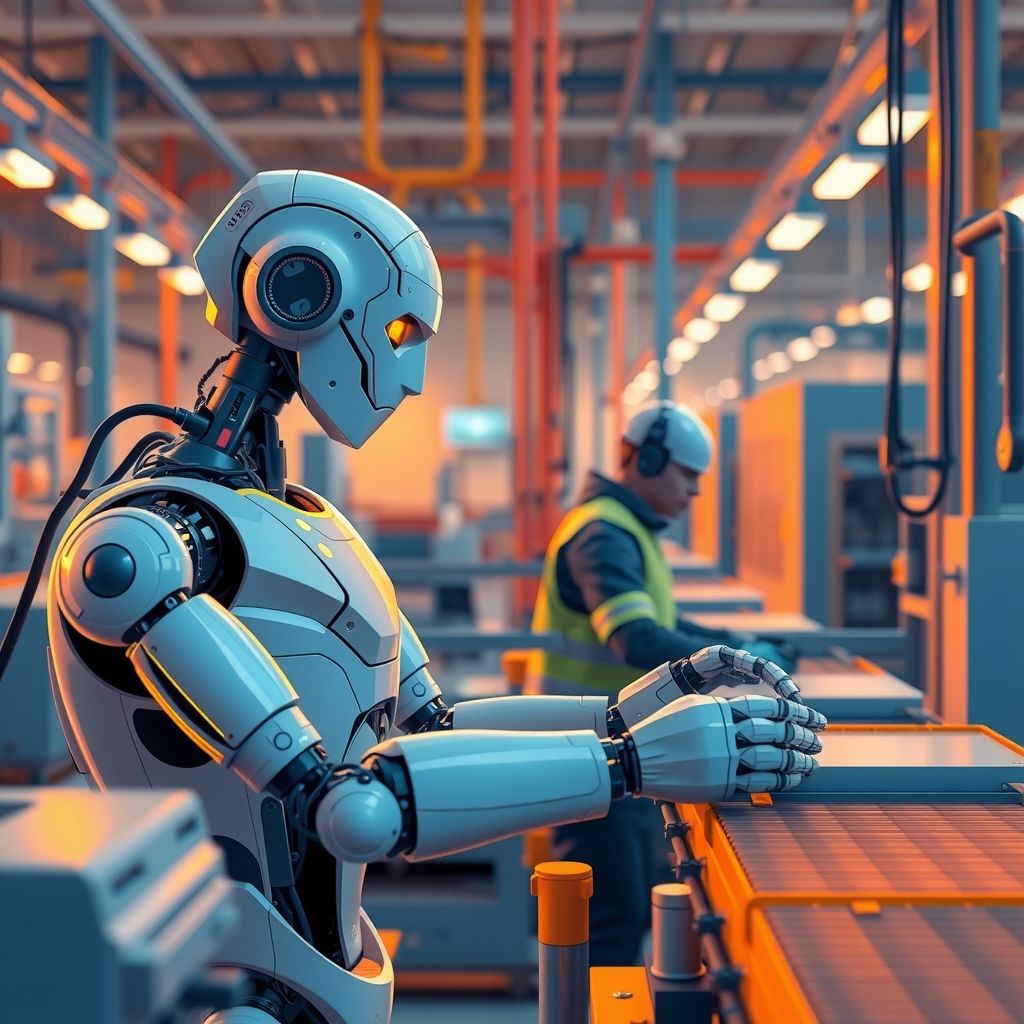
By late 2026, humanoid robots are no longer confined to trade-show demos. A small number are doing paid work inside real factories and warehouses. But the gap between vendor announcements and independently verifiable deployment is still enormous, and conflating the two is the single biggest mistake buyers and investors make right now.
The best-documented deployment: Figure at BMW
Figure AI's clearest evidence of production use comes from BMW's Spartanburg, South Carolina plant, where its robots perform material handling tasks in a live production environment. Figure has logged more than 1,250 runtime hours there, according to reporting on the partnership. That's a real number from a real customer — which puts Figure ahead of most competitors on verifiability, even if the task scope (moving parts, not general assembly) is narrow.
Figure's newer Figure 03 model is reportedly in a named customer trial, not yet confirmed production use — an important distinction. A trial means the robot is being evaluated; production means it's doing work the customer depends on. Vendors routinely blur this line in press materials.
Agility Robotics: totes, not headlines
Agility Robotics' Digit has a less flashy but arguably more concrete track record: its best-documented deployment claim is passing 100,000 totes moved at logistics company GXO. That's unglamorous, repetitive work — exactly the kind of task humanoid robots are actually good at today. Agility's Salem, Oregon factory is designed for up to 10,000 Digit units per year at full capacity, and a May 2026 investor filing noted multi-year customer orders, though the company itself cautions those order figures represent potential contractual value, not current revenue.
Tesla Optimus: the biggest claims, the thinnest verification
Tesla's numbers dwarf everyone else's — and that's exactly the problem. Secondary reporting puts cumulative Optimus production above 50,000 units, but no primary Tesla disclosure in current reporting substantiates that figure directly. Tesla's Q1 2026 update reportedly describes a Fremont line designed for 1 million robots per year and a Texas line designed for 10 million robots per year — numbers that describe design capacity, not units actually built or deployed. Tesla's own leadership has acknowledged that a meaningful portion of the existing fleet is generating training data rather than doing productive work. Independent deployment trackers that grade evidence by customer confirmation put Optimus at an early “demoing” tier, with no verified customer production use on record as of this writing.
This doesn't mean Tesla's robotics program is fake. It means the company is years ahead on manufacturing ambition and years behind on proof of paid, bounded, repeatable work — the opposite of Figure and Agility's position.
Boston Dynamics, Apptronik, and 1X
Boston Dynamics has reportedly begun commercial leasing of its fully electric Atlas platform — a leasing model is itself a signal that the company doesn't yet expect customers to buy outright. Apptronik's Apollo is reported in use at Mercedes-Benz, and 1X is moving into customer pilots. All three sit somewhere between Figure's production-adjacent status and the earliest stages of the pipeline.
Why this matters: the evidence gap is the whole story
Every company in this space has an incentive to describe a pilot as a deployment, a trial as production, and design capacity as throughput. The pattern across all the reporting is consistent: the most credible commercial claims are also the narrowest in scope. Figure's hours are real but it's material handling. Agility's totes are real but it's logistics, not assembly. Nobody has independently verified a humanoid robot doing unscripted, general-purpose work at commercial scale.
What to actually check before you believe a deployment claim
- Ask for the customer, not the partner. “Deployed at BMW” and “BMW is evaluating a pilot” are different claims that get collapsed into the same headline.
- Distinguish design capacity from units shipped. A factory “designed for 1 million units a year” tells you about an architect's blueprint, not a quarterly shipment number.
- Look for repeat, measurable tasks. Tote counts and runtime hours are verifiable. “Revolutionizing the factory floor” is not.
- Check who discloses the number. A company's own investor filing carries more weight than a blog's aggregated claim — and filings often come with legal hedges worth reading.
The realistic timeline for humanoid robots handling general, unscripted work in most industries is still measured in years, not quarters. For now, the technology is proving itself one narrow, bounded, well-measured task at a time — and that's actually a healthier sign than the inflated headline numbers suggest, because bounded tasks are exactly what gets refined into something bigger.