إعادة كتابة تجربة رسائل الخطأ: تحويل Stack Trace إلى خطأ يمكن للمستخدمين التصرف بناءً عليه فعلياً
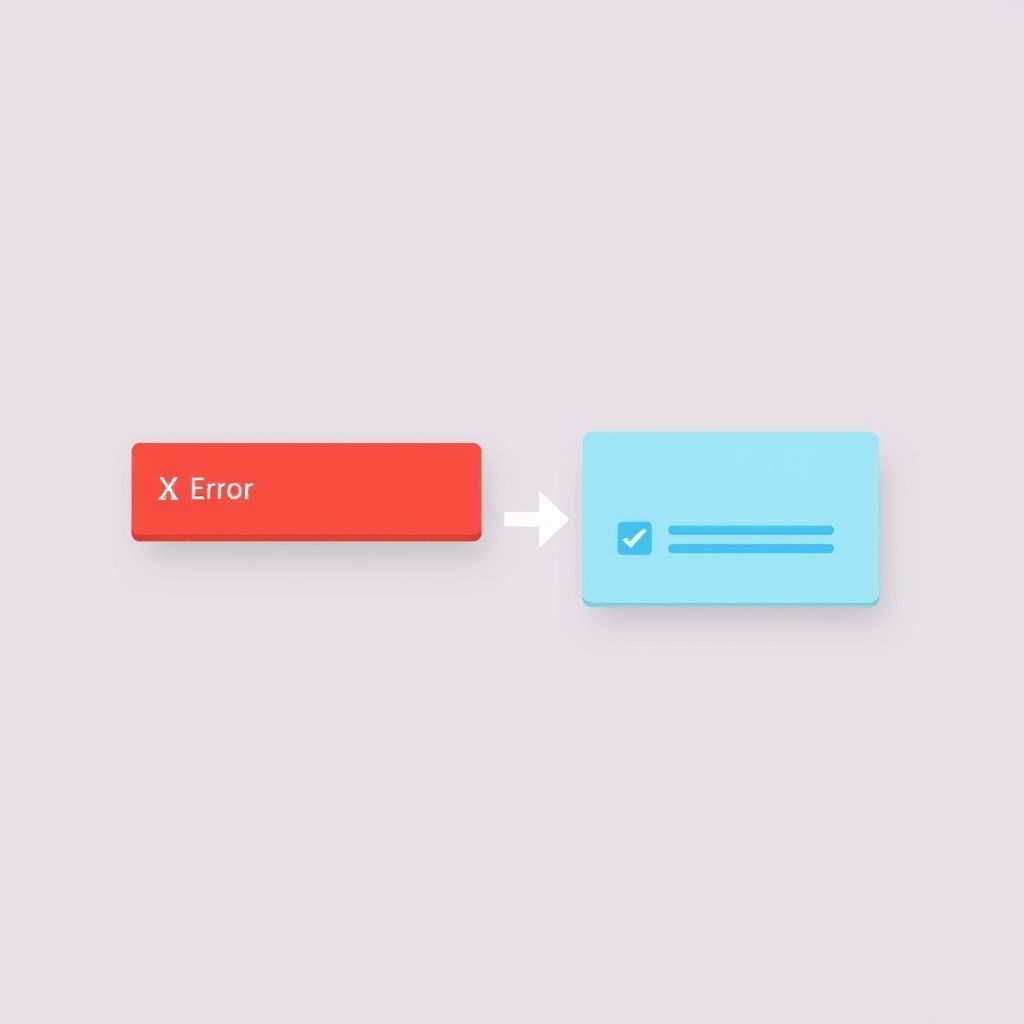
لماذا تهم هذه المطالبة
Raw exception text in a user-facing error is a trust problem, not just a UX one: Nielsen Norman Group's research on error messages found users abandon a task within seconds of seeing jargon they can't parse, and every leaked stack trace is a few lines away from exposing file paths, library versions, or internal service names to anyone who opens dev tools. Support teams end up re-explaining the same five errors every week in plain English by hand because no one wrote the user-facing version when the exception was first thrown — this prompt makes that translation part of shipping the error, not an afterthought triaged weeks later.
فيم نستخدمها
A fintech support engineer is staring at a ticket where a customer saw "TypeError: Cannot read properties of undefined (reading 'balance') at AccountService.getBalance (account.service.ts:142)" on a production screen after a failed bank-link sync, and has to turn that into something a non-technical customer can read in the next 20 minutes before the ticket queue backs up further.
المطالبة
ROLE: You are a technical writer and UX specialist who rewrites raw software errors into messages that respect both the end user and the support engineer who will see them later.

CONTEXT:
- Raw error: [PASTE THE EXACT ERROR MESSAGE, EXCEPTION TYPE, AND STACK TRACE HERE]
- Where the user sees this: [E.G., "a modal dialog after clicking Submit", "a toast notification", "a full-page error screen"]
- Who the user is: [E.G., "a non-technical small business owner", "a developer using our API", "an internal ops employee"]
- What the user was trying to do: [DESCRIBE THE ACTION THAT TRIGGERED THE ERROR]

TASK:
Produce THREE things from the raw error above:
1. A USER-FACING message: what happened, in plain language, without blaming the user unless it was genuinely their input.
2. A NEXT STEP: one specific, concrete action the user can take right now (retry, check a specific field, wait, contact support with a reference code) — never just "try again later" with no reason given.
3. An ENGINEERING LOG line: a terse, structured one-liner suitable for your logging/observability system, preserving the technical detail the user-facing message intentionally omits.

CONSTRAINTS:
- NEVER include file paths, line numbers, library/package names, internal service names, stack traces, or raw exception class names in the user-facing message or the next step.
- NEVER use the words "error", "failed", or "something went wrong" as the ENTIRE message with no further information — always say what specifically didn't work.
- If the error is ambiguous about root cause (e.g., could be network, could be server, could be bad input), say so honestly rather than guessing a cause with false confidence.
- Keep the user-facing message under 40 words. Keep the next step under 25 words.
- Generate a short, unique-looking reference code (format: XXX-###) the user can quote to support, and include that SAME code in the engineering log line so the two are linkable.
- Match tone to the audience in CONTEXT — a developer-facing API error can be more technical than a small-business-owner-facing one, but still never leak internals in constraints above.

OUTPUT FORMAT:
USER-FACING MESSAGE:
[your text]

NEXT STEP:
[your text]

REFERENCE CODE: [XXX-###]

ENGINEERING LOG LINE:
[your text, include the same reference code]
النتيجة
USER-FACING MESSAGE:
We couldn't finish linking your bank account because we didn't receive your current balance from your bank in time. This isn't something you did wrong.
NEXT STEP:
Please try linking your account again in a few minutes. If it fails a second time, contact support with reference code BNK-417.
REFERENCE CODE: BNK-417
ENGINEERING LOG LINE:
[BNK-417] AccountService.getBalance returned undefined balance field — bank-link sync (account.service.ts:142) likely hit a null/partial response from the banking aggregator before the sync timeout; TypeError thrown on balance read, not a validation failure. Check aggregator webhook payload for this user's institution; probable upstream partial-response bug, not a client-side defect.
Why this version works: the user-facing message names the actual failure domain (receiving a balance from the bank) without exposing that it's a null-property crash in a TypeScript service — a customer doesn't need to know "AccountService" exists, and a support engineer definitely doesn't want a customer repeating "TypeError" back to them over the phone. The next step is concrete and bounded (retry, then escalate with a code) rather than the common failure mode of "please try again later," which gives the user no sense of whether retrying is even the right move.
The reference code does double duty: support can search ticket history for "BNK-417" and the engineering team can grep logs for the same string, so a once-separate translation step (support describes the bug in their own words, engineering tries to match it to a log line) collapses into a single lookup. The engineering log line keeps everything the user-facing version had to omit — the exact method, file, line number, and a hypothesis about root cause (upstream partial response vs. client defect) — which is exactly the information a support engineer needs to decide whether to escalate to the banking integrations team or just tell the customer to retry.
If the same prompt were run with the audience set to "a developer using our API" instead of "a non-technical small business owner," the user-facing message would legitimately include the field name and HTTP status, because an API consumer needs that to fix their own integration — the constraint against leaking internals adapts to who's actually allowed to see internals.
كل نظام إنتاج (production) سيعرض في النهاية خطأً مباشرة للمستخدم، والنسخة الافتراضية من هذا الخطأ تكون دائماً تقريباً استثناءً خاماً (raw exception): اسم نوع، مسار ملف، رقم سطر، وأحياناً سجل استدعاءات (stack trace) كامل. يكتب المهندسون هذه الرسائل لمهندسين آخرين، في منتصف عملية التصحيح، وتصل إلى الإنتاج لأن أحداً لم يكتب نسخة موجهة للمستخدم قبل الموعد النهائي. الفجوة بين «ما يقوله الكود» و«ما يحتاج المستخدم لمعرفته» تتحول إلى تذكرة دعم، تُشرح يدوياً من الصفر في كل مرة يتكرر فيها نفس الخطأ.
يغلق هذا البرومبت تلك الفجوة بإلزام ثلاثة مخرجات مختلفة من خطأ واحد: رسالة بلغة بسيطة للمستخدم، خطوة تالية محددة، وسطر سجل هندسي يحتفظ بكل ما تم حذفه من النص الموجه للمستخدم. هذا التمييز مهم لأن هاتين الفئتين تحتاجان أشياء متعارضة. يحتاج العميل إلى الطمأنة وإجراء واضح، دون أي مسارات ملفات أو أسماء فئات استثناءات. أما مهندس الدعم أو المطور المسؤول (on-call) فيحتاج إلى العكس تماماً — الملف الدقيق، السطر، اسم الدالة، وفرضية عمل حول السبب الجذري — معلومات مُلزَمة الرسالة الموجهة للمستخدم بحذفها صراحة.
لماذا تنجح هذه البنية
يُعرّف قسم ROLE كاتباً تقنياً يتعامل مع كلا الجمهورين كقيود حقيقية لا كفكرة ثانوية. تُلزمك حقول CONTEXT بتحديد أين يرى المستخدم الخطأ ومن هو هذا المستخدم، لأن نفس الخلل الأساسي يحتاج ترجمة مختلفة تماماً لمالك مشروع صغير غير تقني مقارنة بمطور يُصحّح واجهة API الخاصة بك — وقيود البرومبت نفسها توجّه النموذج لضبط مستوى التفصيل التقني حسب الجمهور، بدلاً من تطبيق قاعدة واحدة شاملة.
قسم CONSTRAINTS هو حيث تفشل معظم عمليات إعادة كتابة رسائل الخطأ بدون هذا البرومبت: تعليمات غامضة لكن حسنة النية مثل «اجعل هذا الخطأ أكثر ودية» تُنتج عادةً شيئاً مثل «عذراً! حدث خطأ ما 🙃» — وهو ما لا يحترم أحداً. المنع الصريح لمسارات الملفات وسجلات الاستدعاءات وكلمتي «خطأ» أو «فشل» دون تفاصيل إضافية يدفع النموذج نحو التحديد بدلاً من اللطف الفارغ. متطلب رمز الإحالة (reference code) هو الجزء الذي تتجاهله معظم الفرق ثم تندم عليه: بدون معرّف مشترك، لن تتقارب مكالمة العميل («قال شيئاً عن الحساب») وبحث المهندس في السجلات («grep عن TypeError») أبداً على نفس الحادثة.
متى تستخدم هذا بدلاً من إصلاح الخلل مباشرة
هذا البرومبت ليس بديلاً عن إصلاح الخلل الأساسي — بل هو للفجوة بين «الخلل موجود» و«تم إصلاح الخلل»، وهي فجوة تُقاس في أي نظام حقيقي بالأيام أو الأسابيع، لا بالدقائق. وهو مفيد أيضاً بشكل دائم للأخطاء المتوقعة وغير القابلة للتجنب (انتهاء مهلة واجهة API خارجية، رفع المستخدم ملفاً تالفاً) حيث لا يوجد خلل لإصلاحه، بل فقط ترجمة يجب أن تتم بشكل صحيح كل مرة.
الفريق الذي يُشغّل هذا البرومبت مرة واحدة على أكثر عشرة أخطاء شائعة تُنتج تذاكر دعم سيحصل على عشر رسائل واضحة، وعشر خطوات تالية، وعشرة قوالب سجل هندسي يمكن تضمينها مباشرة في كود معالجة الأخطاء — مما يحوّل مهمة ترجمة متكررة إلى مراجعة تحريرية تتم مرة واحدة فقط.