Matter 1.5 يُدخل الكاميرات أخيرًا إلى المعيار — لكن المنزل الذكي لا يزال مجزّأً
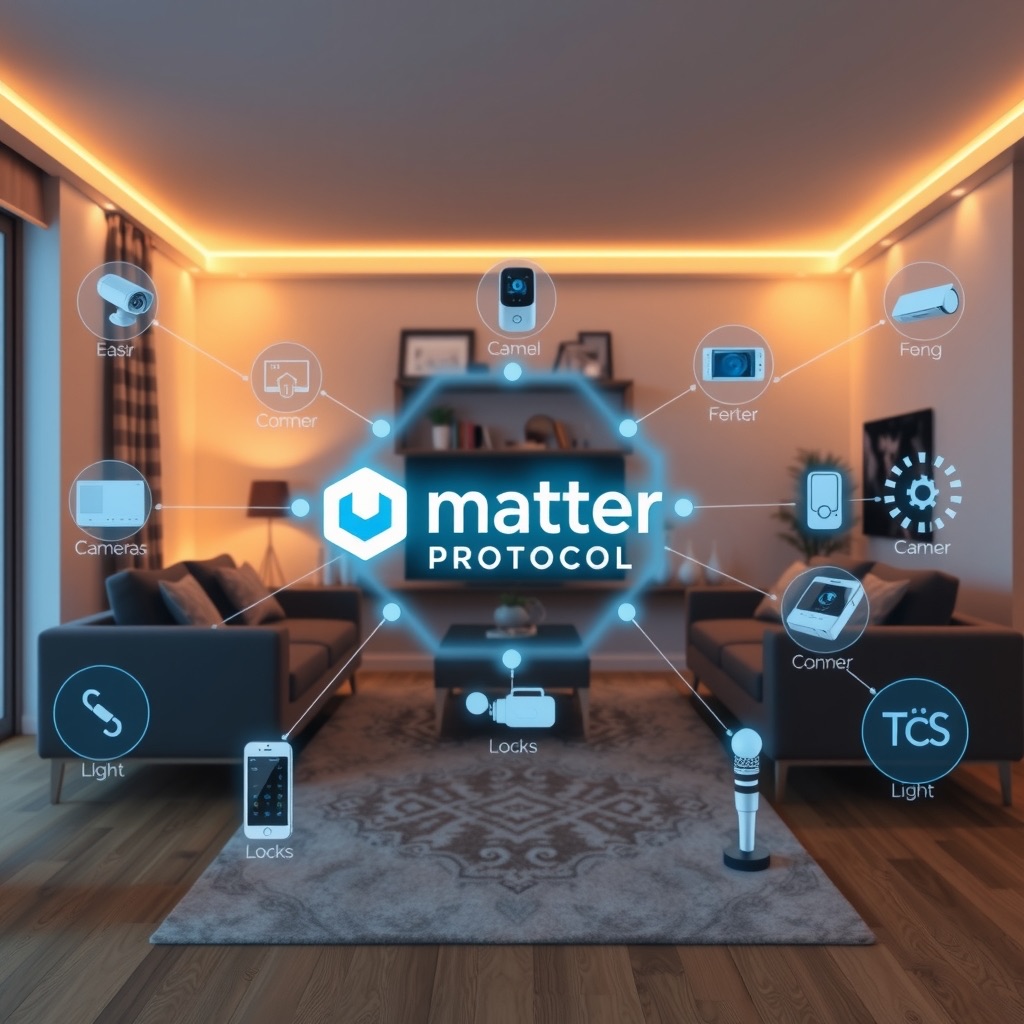
كان من المفترض أن يحل Matter مشكلة المنزل الذكي. عندما أطلق اتحاد معايير الاتصال (CSA) معيار Matter 1.0 في أكتوبر 2022 — بدعم من آبل وجوجل وأمازون وسامسونغ وأكثر من 500 شركة — كان الوعد بمعيار عالمي للتشغيل البيني حيث يعمل أي جهاز معتمد من Matter مع أي متحكم متوافق مع Matter، بغض النظر عن النظام البيئي الذي تستخدمه.
بعد ثلاث سنوات ونصف، أحرز Matter تقدمًا حقيقيًا وخلق تعقيدات جديدة في الوقت نفسه. إصدار Matter 1.5 في نوفمبر 2025 جلب أخيرًا الكاميرات وأجراس الباب بالفيديو إلى المعيار — الفئة الأكثر طلبًا منذ الإطلاق، والتي كانت غائبة بشكل ملحوظ عن جميع الإصدارات الأربعة السابقة. حقيقة التنفيذ، اعتبارًا من منتصف 2026، مفيدة في فهم أين يقف معيار المنزل الذكي بالفعل.
ما أضافه كل إصدار من Matter
فهم أهمية Matter 1.5 يتطلب سياقًا لتطوره. غطى Matter 1.0 (أكتوبر 2022) الإضاءة والمقابس والمفاتيح والأقفال ومنظمات الحرارة وستائر النوافذ. أضاف Matter 1.1 (مايو 2023) المكانس الكهربائية الروبوتية ونقح غموض المواصفات. جلب Matter 1.2 (أكتوبر 2023) الأجهزة المنزلية الكبيرة: الثلاجات وغسالات الصحون وغسالات الملابس وكواشف الدخان وأول أكسيد الكربون. أضاف Matter 1.3 (مايو 2024) شواحن السيارات الكهربائية وصمامات المياه وسخانات المياه وأفران الميكروويف.
كانت الكاميرات غائبة بشكل ملحوظ عن كل هذه، على الرغم من كونها أكثر فئة أجهزة منزلية ذكية شيوعًا. كان التأخير تقنيًا: تدفق الفيديو يقدم تعقيدًا أكبر بكثير من أوامر التشغيل/الإيقاف وقراءات الاستشعار التي تعاملت معها إصدارات Matter السابقة. يتطلب الفيديو التفاوض على برنامج الترميز، وبروتوكولات بدء التدفق، وإدارة التخزين المؤقت، ومعالجة البيانات في الوقت الحقيقي التي لم تتناسب بشكل نظيف مع بنية Matter الحالية. استغرق الأمر من CSA إصدارين إضافيين أكثر مما توقعه الكثيرون لإنجاز ذلك بشكل صحيح.
Matter 1.5، الذي أُنهي في 20 نوفمبر 2025، قدم مواصفات نوع جهاز جديدة تغطي الكاميرات وأجراس الباب بالفيديو وأنظمة الاتصال الداخلي. تبعه إصدار صيانة (Matter 1.5.1) في 31 مارس 2026، لمعالجة غموض المواصفات الذي ظهر أثناء التنفيذ المبكر. المواصفات متينة. دعم النظام البيئي مسألة أخرى.
واقع يونيو 2026
اعتبارًا من أوائل يونيو 2026، سامسونغ SmartThings هي المنصة الرئيسية الوحيدة لمتحكم المنزل الذكي التي شحنت دعم كاميرات Matter 1.5. Apple Home وGoogle Home وAmazon Alexa — المنصات الثلاث الأكبر من حيث القاعدة المثبتة — أكدت أن دعم كاميرات Matter 1.5 قيد التطوير لكنها لم تصدره للمستخدمين العاديين.
هذا النمط متسق مع كيفية طرح إصدارات Matter السابقة. شُحن Matter 1.2 في أكتوبر 2023، لكن معظم المنصات الرئيسية استغرقت ستة إلى اثني عشر شهرًا لتنفيذ أنواع الأجهزة الجديدة من ذلك الإصدار. يصدق CSA على المواصفات؛ تتبع تنفيذات المنصة جداولها الزمنية الخاصة، والتي تتخلف باستمرار عن المواصفات بأشهر أو أكثر.
Homebridge 2.0، الذي صدر في مايو 2026، أضاف دعمًا أصليًا لـ Matter — مما يتيح لمستخدمي Apple HomeKit ربط أجهزة غير Matter وأجهزة Matter عبر Homebridge وكشفها لمتحكمات Matter الأخرى. هذه قدرة مفيدة حقًا للمستخدمين في الأنظمة البيئية المختلطة، لكن تشغيل Homebridge يتطلب مضيفًا دائم التشغيل (Raspberry Pi أو Mac mini أو ما شابه)، وهو ليس تجربة المستهلك الخالية من الاحتكاك التي صُمم معيار Matter لتقديمها.
أين يعمل Matter بشكل جيد
لا ينبغي لانتقاد التجزئة أن يحجب ما يعمل بالفعل. بالنسبة لفئات الأجهزة التي دعمها Matter بالكامل منذ الإصدار 1.0 — المصابيح الذكية والمقابس والمفاتيح ومنظمات الحرارة وأقفال الأبواب — يعمل التشغيل البيني لـ Matter كما وعد عبر جميع المنصات الرئيسية. قفل Matter من Aqara المضاف إلى Apple Home يمكن التحكم به أيضًا عبر Google Home وAmazon Alexa دون إعداد إضافي. شريط إضاءة Matter من Nanoleaf المضاف إلى Google Home يعمل في Apple Home في وقت واحد. أجهزة Matter القائمة على Thread عبر هذه الفئات لها سجل موثوقية قوي.
Thread نفسه نضج بشكل كبير. أجهزة توجيه حدود Thread مدمجة الآن في Apple HomePod mini و Apple TV 4K و Google Nest Hub (الجيل الثاني) و Amazon Echo (الجيل الرابع) و Samsung SmartThings Hub — مما يعني أن معظم المنازل التي لديها أي وجود للمنزل الذكي قد نشرت بالفعل بنية Thread التحتية. يوفر Thread شبكة شبكية منخفضة الطاقة مع زمن وصول أقل ونطاق أفضل من Zigbee أو Z-Wave، وأجهزة Matter القائمة على Thread أكثر موثوقية بشكل قابل للقياس من أجهزة Matter القائمة على Wi-Fi في الممارسة العملية، خاصة لأجهزة الاستشعار والأقفال التي تعمل بالبطارية.
الروتينات المدعومة بالذكاء الاصطناعي هي القصة الحقيقية لعام 2026
بينما كانت مواصفات Matter تتوسع في الأجهزة التي يغطيها المعيار، فإن التطور الأكثر أهمية في المنازل الذكية في 2026 هو الأتمتة المدعومة بالذكاء الاصطناعي المطبقة فوق هذه الأنظمة البيئية. يمكن لروتينات الذكاء الاصطناعي من Google Home تعلم جدولك من الأنماط المرصودة — التعرف على أنك تغادر للعمل بين الساعة 8:00 و 8:30 صباحًا في أيام الأسبوع وتسخين شاحن السيارة تلقائيًا، وضبط منظم الحرارة، وتشغيل ماكينة القهوة، دون إعداد روتين يدوي. Amazon Alexa+ (الطبقة الاشتراكية التي أطلقت في أوائل 2025) تضيف بناء روتين محادثة وتحكمًا بالجهاز واعيًا بالسياق عبر اللغة الطبيعية.
ركز تكامل Apple Intelligence مع HomeKit على تحسين التحكم باللغة الطبيعية بدلاً من الأتمتة الاستباقية — يتعامل Siri في iOS 27 مع أوامر متعددة الأجهزة مثل "أطفئ كل شيء ما عدا مروحة غرفة النوم" بدقة أعلى بكثير من الإصدارات السابقة، ويفهم الطلبات السياقية التي تشير إلى الغرف والأوقات وحالات الأجهزة مجتمعة. الأتمتة التنبؤية التي كانت آبل أبطأ في شحنها؛ تحسن التحكم المحادثي حقًا.
تحسين الطاقة هو حالة استخدام الروتين الذكي ذات العائد الأوضح القابل للقياس. يمكن لمنظمات الحرارة الذكية المدمجة مع بيانات تسعير الكهرباء المحلية ومراقبة إنتاج الطاقة الشمسية تقليل تكاليف التدفئة والتبريد بنسبة 15 إلى 25 في المائة في المنازل ذات معدلات الكهرباء حسب وقت الاستخدام، من خلال تعلم أنماط الإشغال وتكييف المنزل مسبقًا خلال فترات التسعير خارج أوقات الذروة دون الحاجة إلى تكوين جدول يدوي.
ماذا تشتري، وماذا تنتظر
يتطلب بناء إعداد منزل ذكي جديد في 2026 دقة أكثر من "فقط اشتر أجهزة Matter وكل شيء يعمل".
للإضاءة والمقابس: اشتر أجهزة معتمدة من Matter مع دعم Thread. تنتج Nanoleaf وEve وAqara جميعها أجهزة Matter قائمة على Thread تعمل بشكل موثوق عبر الأنظمة البيئية. تجنب أجهزة Matter التي تعمل فقط بـ Wi-Fi لأجهزة الاستشعار التي تعمل بالبطارية — راديو Wi-Fi يستنزف البطارية بسرعة كبيرة للأجهزة التي تنام معظم الوقت.
للكاميرات وأجراس الباب: إذا كنت مستخدمًا أساسيًا لـ Samsung SmartThings، فإن كاميرات Matter 1.5 تستحق النظر الآن. لمستخدمي آبل أو جوجل أو أمازون، الخيار الأكثر أمانًا في منتصف 2026 هو كاميرا تعمل بشكل أصلي مع نظامك البيئي الأساسي. انتظر حتى تطلق تلك المنصات دعم كاميرات Matter 1.5 قبل الالتزام باستراتيجية كاميرا تعتمد على Matter أولاً — إنها قادمة، لكنها ليست هنا بعد لتلك الأنظمة البيئية.
لمنظمات الحرارة: يدعم كل من ecobee و Google Nest Matter ويعملان عبر الأنظمة البيئية. هذه هي الفئة التي يكون فيها التشغيل البيني لـ Matter أكثر نضجًا وأكثر قيمة — إذا انتقلت من Google Home إلى Apple Home، يتبعك منظم الحرارة الخاص بك دون استبدال.
Matter يفي بوعده في فئات الأجهزة التي قام بتنفيذها بالكامل ودعمها عبر جميع المنصات الرئيسية. فجوة الكاميرات — الفئة المفقودة الأكثر أهمية — بدأت في الانغلاق. بحلول نهاية 2026، مع توقع أن تشحن آبل وجوجل وأمازون دعم كاميرات Matter 1.5، ستصبح مشكلة تجزئة المنزل الذكي أصغر بشكل ملحوظ مما هي عليه اليوم. لن تختفي. المعايير التي تتطلب توافقًا عبر منصات متنافسة تستغرق دائمًا وقتًا أطول من خارطة طريق أي شركة منفردة، وMatter ليست استثناءً.